
Finding the right BMW oil filter is crucial for maintaining engine performance and longevity. Both quality and aftermarket brands offer various options, but understanding the differences can help you make an informed purchase.
Compare Quality Oil Filters for BMW
When selecting an oil filter for your BMW, understanding the differences between quality and aftermarket options is essential. This section will explore various filters available on the market, highlighting the benefits and drawbacks of each to help you make an informed decision that suits your vehicle’s needs.
When selecting an oil filter for your BMW, quality is paramount. A high-quality filter ensures optimal oil flow and traps contaminants effectively. This section compares several quality brands known for their durability and performance.
| Brand | Filter Type | Price Range | Warranty |
|---|---|---|---|
| Mann-Filter | OEM | $10 – $30 | 1 year |
| Bosch | Premium | $12 – $25 | 1 year |
| Mahle | OEM | $15 – $35 | 2 years |
| Hengst | OEM | $10 – $28 | 1 year |
Mann-Filter is often regarded as the standard for OEM replacements. Bosch provides a premium option with advanced filtration technology. Mahle and Hengst also offer reliable products, each with a solid warranty.
Recommended Products
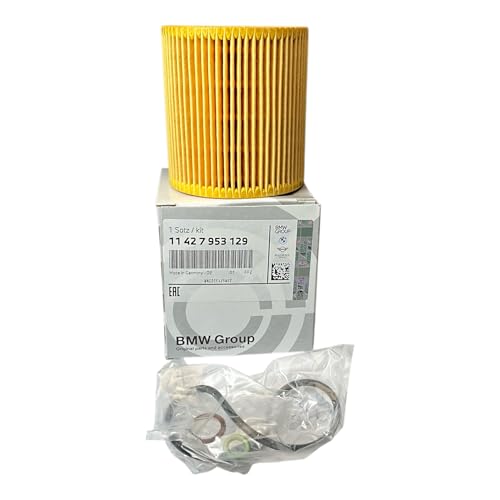
Genuine BMW Product
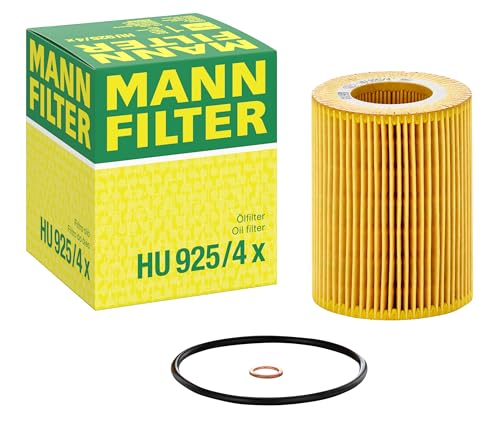
Item Package Dimension: 4.29L x 3.70W x 3.62H inches

Item Package Dimension: 4.60L x 3.54W x 3.42H inches
Aftermarket Oil Filter Options and Drawbacks
When considering aftermarket oil filters for your BMW, it’s essential to weigh the potential benefits against the drawbacks. While these options may offer cost savings, they can vary significantly in quality and performance. Understanding these factors will help you make an informed decision that aligns with your vehicle’s needs and maintenance standards.
Aftermarket filters can be appealing due to their lower price points. However, not all aftermarket brands meet the same standards as OEM filters. This section highlights some popular aftermarket options and their potential drawbacks.
| Brand | Filter Type | Price Range | Filtration Efficiency |
|---|---|---|---|
| K&N | Performance | $15 – $25 | High |
| ACDelco | Standard | $8 – $15 | Moderate |
| Fram | Budget | $5 – $12 | Low |
| STP | Standard | $6 – $14 | Moderate |
K&N filters are known for high performance, especially in racing applications. ACDelco offers a balance of cost and quality. Fram and STP are budget-friendly but may compromise on filtration efficiency.
Oil Filter Installation and Maintenance Tips
Proper installation and maintenance of your BMW oil filter are crucial for optimal engine performance and longevity. Understanding the steps involved and adhering to best practices can help ensure that your vehicle runs smoothly. This section provides essential tips to guide you through the installation process and maintain your oil filter effectively.
Installing an oil filter can be straightforward, but some filters may require additional tools or expertise. Ensure you have the necessary equipment to avoid complications during installation. Regular maintenance is also essential for optimal performance.
Gather tools: wrench, oil filter wrench, drain pan
Remove the old filter: Use the oil filter wrench to loosen it
Install the new filter: Apply a thin layer of oil to the gasket before tightening
Always dispose of old filters and oil responsibly to prevent environmental damage.
Recommended Products

TIPS: 1. BENT head design for easier use in some tight space; 2. OIL on product for rust protection (not used)

PLEASE NOTE: This oil filter wrench cap removal tool is designed for oil filter covers with a smooth top, it will not fit oil filter covers with a 6-point nut on the top.The size of the oil filter wrench may vary slightly from batch to batch, if the oil filter socket wrench is slightly loose, you can place the product bag on the outside of the oil filter cover for proper removal
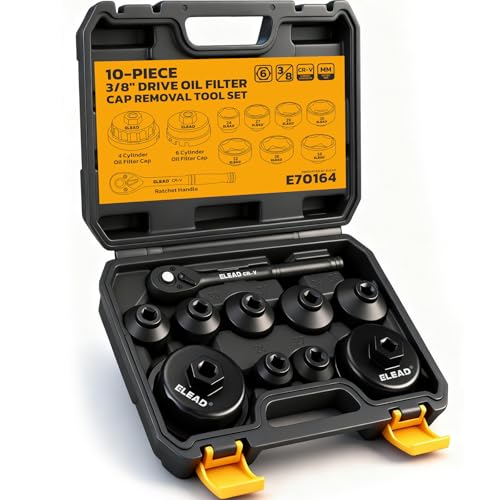
UNIVERSAL COMPATIBILITY - Fits Toyota, BMW, Honda, Mercedes, and Ford models, covering 7 essential metric sizes (24-38mm) for canister-style filter housings - perfect for DIY oil changes and professional shop use
Warranty Insights for Oil Filter Purchases
When purchasing an oil filter for your BMW, understanding warranty implications can significantly impact your decision. Whether you choose a genuine part or an aftermarket option, knowing how warranties apply can help you avoid costly mistakes and ensure your vehicle maintains optimal performance. This section will explore the warranty considerations associated with different oil filter brands.
When purchasing an oil filter, consider the warranty and return policies. A good warranty can provide peace of mind, especially for premium filters. Always check the specifics before making a purchase.
Warranty length: Look for at least a one-year warranty
Return policy: Ensure you can return the filter if it doesn’t fit or perform as expected
Keep your receipt for warranty claims or returns.
Choosing Between Quality and Aftermarket Filters
Choosing the right oil filter for your BMW involves weighing quality against cost. Quality filters generally provide better performance and longer lifespan, while aftermarket options can save money upfront. Consider your driving conditions and maintenance habits when making your choice.
If you drive frequently in harsh conditions, opt for a quality filter.
For occasional use, a reliable aftermarket filter may suffice.
Using a subpar filter can lead to engine damage over time.
Recommended Products

[Vehicle Fitment-1]: Compatible with BMW 323i/325i/325xi/330Ci/330i/330xi/525i/525xi/530i/530xi 2006, Z4 2006-2016, 328i/525i/525xi/530i/530xi 2007, 328xi/335xi 2007-2008, 323i 2007-2011, 335i 2007-2015, X3 2007-2017, X5 2007-2018, 528xi/535xi 2008, 528i 2008-2011, 128i/135i 2008-2013, 328i/535i 2008-2016, X6 2008-2019, 528i xDrive 2009-2010, 335i xDrive 2009-2015, 328i xDrive/535i xDrive 2009-2016
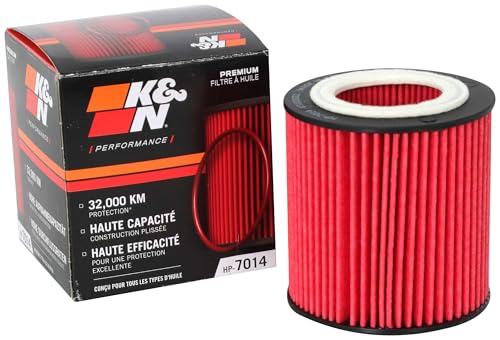
HIGH FLOW RATES: Designed to provide exceptional flow rates and a consistent flow of oil to your engine

HIGH FLOW RATES: Designed to provide exceptional flow rates and a consistent flow of oil to your engine

Evan Armstrong is a lead automotive engineer at Car Troubleshooters with over 15 years of experience in the automotive industry. He has a Master's degree in Automotive Engineering and a deep understanding of how cars work and what it takes to fix them.