
Yes, a fuel pump can overheat and cause a short in a Jeep Grand Cherokee. This issue often stems from electrical faults or fuel delivery problems, leading to engine performance issues or failure to start.
Fuel Pump Issue Diagnosis Summary
Diagnosing fuel pump issues in a Jeep Grand Cherokee is crucial for maintaining optimal performance and preventing potential breakdowns. Overheating fuel pumps can lead to various problems, including electrical shorts that compromise vehicle safety. This summary outlines key symptoms and diagnostic steps to effectively identify and address fuel pump-related concerns.
| Symptom | Primary Suspect | Difficulty (1-5) |
|---|---|---|
| Engine stalling | Overheated fuel pump | 3 |
| No start condition | Electrical short | 4 |
| Poor fuel delivery | Clogged filter | 2 |
| Unusual noises | Failing pump | 3 |
Diagnosing Fuel Pump Overheating Issues
Diagnosing fuel pump overheating issues in a Jeep Grand Cherokee is crucial for maintaining vehicle performance and safety. Overheating can lead to a range of problems, including potential short circuits that affect the electrical system. Understanding the symptoms and causes of this issue will help in effectively troubleshooting and resolving the problem.
Fuel pumps are critical for delivering fuel to the engine. An overheated fuel pump can lead to significant issues, including electrical shorts.
Overheating may result from inadequate fuel supply, which cools the pump during operation. Lack of fuel can cause the pump to run dry, leading to increased friction and heat.
Common causes of overheating include:
Clogged fuel filters that restrict flow
Electrical issues such as shorts or bad connections
Old or damaged fuel pumps that cannot operate efficiently
Fuel Pump Overheating Factors
Understanding the factors that contribute to fuel pump overheating is crucial for diagnosing issues in a Jeep Grand Cherokee. Several elements, including fuel quality, pump age, and electrical system conditions, can lead to overheating and potential shorting. Identifying these factors can help prevent costly repairs and ensure optimal vehicle performance.
Identifying the root cause is essential for effective repairs. Common reasons for overheating include:
Insufficient fuel: A failing fuel pump can starve itself, leading to overheating.
Electrical shorts: Damaged wiring can cause excessive current draw, overheating the pump.
Debris in the fuel system: Dirt or rust can clog filters and restrict fuel flow.
Step-by-Step Fix for Overheating Fuel Pump
An overheating fuel pump can lead to significant issues in a Jeep Grand Cherokee, including potential electrical shorts. Understanding how to diagnose and fix this problem is crucial for maintaining vehicle performance and safety. This section provides a detailed, step-by-step guide to effectively address and resolve overheating fuel pump issues.
Inspect the fuel pump for signs of damage or wear.
Check the electrical connections for corrosion or loose wires.
Replace the fuel filter if clogged.
Test the fuel pressure to ensure adequate flow.
Replace the fuel pump if it shows signs of failure.
Recommended Products

Essential Cooling Performance: Our Water Pump is crucial for maintaining the engine's optimal operating temperature by efficiently circulating coolant throughout the cooling system. This prevents overheating, ensures smooth engine performance, and extends the life of your vehicle’s engine.

Please confirm this item fits for your vehicle (Check by Using AmazonConfirmedFit tool Above or See OE/OEM Part Number Below) check the part number/ model/ make/ year carefully
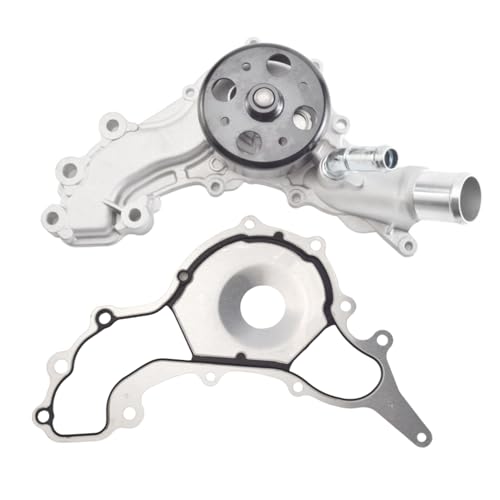
Essential Cooling Performance: Our Water Pump is crucial for maintaining the engine's optimal operating temperature by efficiently circulating coolant throughout the cooling system. This prevents overheating, ensures smooth engine performance, and extends the life of your vehicle’s engine.
Essential Tools for Fuel Pump Diagnosis
Diagnosing an overheating fuel pump in a Jeep Grand Cherokee requires specific tools to accurately assess the issue. Proper equipment not only aids in identifying the root cause but also ensures that any repairs or replacements are effective. Understanding which tools are essential can streamline the diagnostic process and enhance overall vehicle performance.
To effectively diagnose and repair a fuel pump issue, gather the following tools and supplies:
Multimeter for electrical testing
Fuel pressure gauge for checking fuel flow
Basic hand tools for disassembly
Replacement fuel pump if necessary
Fuel filter for replacement
Fuel System Safety Guidelines and Risks
Understanding the safety guidelines and risks associated with the fuel system is crucial for Jeep Grand Cherokee owners. An overheating fuel pump can lead to significant issues, including potential short circuits and engine failure. This section outlines essential precautions and insights to help prevent such complications and ensure the longevity of your vehicle’s fuel system.
Working on fuel systems poses risks. Always follow safety precautions:
Disconnect the battery before starting work.
Work in a well-ventilated area to avoid inhaling fumes.
Use safety glasses to protect your eyes from fuel splashes.
Keep a fire extinguisher nearby in case of emergencies.
Fuel Pump Overheating Symptoms
Understanding the symptoms of fuel pump overheating is crucial for Jeep Grand Cherokee owners. This section outlines the key indicators that may signal an issue with the fuel pump, helping you diagnose potential problems before they escalate. Recognizing these signs early can prevent further damage to your vehicle and ensure optimal performance.
Recognizing the signs of fuel pump failure can save time and money. Look for these symptoms:
Engine sputtering during acceleration
Difficulty starting the engine
Decreased fuel efficiency over time
Unusual noises from the fuel tank
Fuel Pump Repair Considerations
When dealing with a malfunctioning fuel pump in a Jeep Grand Cherokee, understanding the repair options is crucial. Overheating can lead to significant issues, including shorting out the electrical system. This section explores key considerations for effectively diagnosing and repairing fuel pump problems to ensure optimal vehicle performance.
When addressing fuel pump issues, consider the following logistics:
Schedule repairs during cooler parts of the day to avoid heat-related issues.
Ensure you have all necessary parts before starting to minimize downtime.
Document any changes made to the fuel system for future reference.
Fuel System Safety and Repair Guidelines
Understanding the safety and repair guidelines for the fuel system is crucial for maintaining the performance and reliability of your Jeep Grand Cherokee. This section outlines essential practices to prevent overheating and potential short-circuiting of the fuel pump, ensuring that your vehicle operates safely and efficiently. Proper adherence to these guidelines can help avoid costly repairs and enhance overall vehicle longevity.
Always prioritize safety when working on fuel systems. Fuel is highly flammable and can pose serious risks if not handled properly.
Fuel Pump Overheating Diagnosis Steps
Understanding how to diagnose an overheating fuel pump is crucial for Jeep Grand Cherokee owners experiencing performance issues. This section outlines specific steps to identify whether the fuel pump is overheating, which can lead to short-circuiting and other electrical problems. Proper diagnosis can help prevent further damage and ensure the vehicle runs smoothly.
If you suspect your fuel pump is overheating, act quickly to diagnose and repair the issue. Ignoring symptoms can lead to more severe engine problems or costly repairs.

Evan Armstrong is a lead automotive engineer at Car Troubleshooters with over 15 years of experience in the automotive industry. He has a Master's degree in Automotive Engineering and a deep understanding of how cars work and what it takes to fix them.