
If your BMW steering wheel is hard to turn, it may indicate a problem with the power steering system or low fluid levels. Addressing these issues promptly can prevent further damage and ensure safe driving.
Common BMW Steering Wheel Problems and Solutions
Many BMW owners encounter issues with their steering wheels becoming hard to turn, which can lead to frustrating driving experiences. Understanding the common problems associated with this issue is crucial for timely intervention. This section explores typical causes and practical solutions to help restore smooth steering functionality.
Understanding the symptoms and potential causes can help you troubleshoot effectively. The following table summarizes common issues related to steering difficulties.
| Symptom | Primary Suspect | Difficulty (1-5) |
|---|---|---|
| Steering wheel stiff | Low power steering fluid | 2 |
| Noise while turning | Worn steering components | 4 |
| Steering wheel vibration | Misaligned wheels | 3 |
| Fluid leakage | Damaged hoses or seals | 4 |
Diagnosing BMW Steering Wheel Resistance
Experiencing resistance when turning the steering wheel in your BMW can be frustrating and concerning. Understanding the potential causes of this issue is essential for effective troubleshooting. This section will explore various factors that may contribute to steering wheel resistance, helping you identify the underlying problem and take appropriate action.
Before attempting any fixes, it is crucial to identify the root cause of the steering issue. Common problems include low power steering fluid, worn components, or a malfunctioning pump.
Low Power Steering Fluid: Check the reservoir for fluid levels. If low, top off with the recommended fluid.
Worn Steering Components: Inspect the steering rack and tie rods for wear. Replace any damaged parts.
Malfunctioning Power Steering Pump: Listen for unusual noises. If present, consider replacing the pump.
Step-by-Step Fix for Hard-to-Turn Steering
Experiencing difficulty turning your BMW’s steering wheel can be alarming and potentially dangerous. Understanding the underlying causes is crucial for addressing the issue effectively. This section outlines a step-by-step approach to diagnose and resolve the problem, ensuring a smoother and safer driving experience.
Follow these steps to address the issue effectively. Ensure you have the necessary tools and replacement parts before starting.
Check Fluid Levels
Locate the power steering fluid reservoir.
Remove the cap and check the fluid level.
If low, add the correct fluid type until it reaches the recommended level.
Inspect for Leaks
Look for signs of fluid leakage around hoses and connections.
Tighten any loose fittings.
Replace damaged hoses or seals as needed.
Examine Steering Components
Raise the front of the vehicle using jack stands.
Check the steering rack and tie rods for wear.
Replace any worn or damaged components.
Test Drive
After completing repairs, take the vehicle for a test drive.
Ensure the steering feels smooth and responsive.
Recheck fluid levels after the drive.
Recommended Products

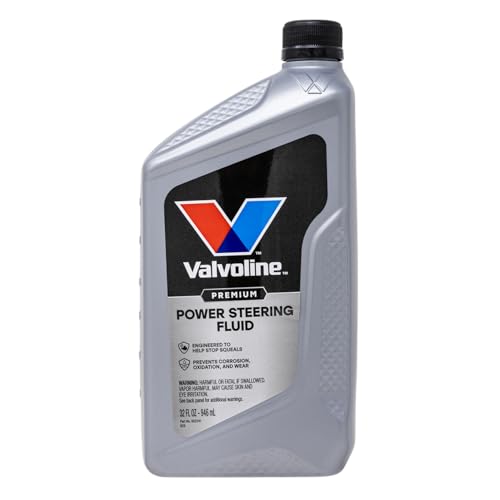
Compatible with all European Cars: Bentley, Audi, Porsche, BMW, Mercedes Benz, Range Rover, Volvo, Ferrari, Skoda, Fiat; Compatible with all US made Vehicles: GM, Ford, Corvette, Dodge, Chrysler (trucks and passenger cars); Compatible with the following Asian vehicles: Toyota, Nissan, Mitsubishi, Kia, Infinity

The service solution for ALL European, North American, and Asian vehicles (Honda fluid recommended for Honda/Acura vehicles)
Necessary Tools for BMW Steering Repairs
When dealing with a BMW steering wheel that is hard to turn, having the right tools on hand is essential for effective repairs. This section outlines the specific equipment and instruments needed to diagnose and address steering issues, ensuring a smoother and safer driving experience. Being prepared can make all the difference in resolving these challenges efficiently.
Having the right tools and supplies can make the repair process smoother. Gather the following items before starting.
Power Steering Fluid: Ensure it meets BMW specifications.
Wrench Set: For tightening and loosening bolts.
Jack and Jack Stands: For safely lifting the vehicle.
Replacement Hoses: If leaks are detected.
Steering Components: Such as tie rods or racks if worn.
Steering System Safety Guidelines
When facing difficulties with a BMW steering wheel that is hard to turn, understanding the safety guidelines for the steering system is crucial. These guidelines provide essential insights into maintaining control and ensuring your vehicle operates safely, especially in emergency situations. Familiarizing yourself with these protocols can help prevent further complications and enhance overall driving safety.
Safety should always come first when working on any vehicle. Follow these precautions to minimize risks.
Wear Safety Glasses: Protect your eyes from fluid splashes.
Use Gloves: Prevent skin contact with power steering fluid.
Ensure Vehicle Stability: Always use jack stands when lifting the vehicle.
BMW Power Steering Troubleshooting Tips
Experiencing difficulty turning the steering wheel in your BMW can be alarming, especially when it affects your driving safety. Understanding the common causes of power steering issues is essential for effective troubleshooting. This section provides practical tips to help diagnose and address power steering problems, ensuring a smoother driving experience.
Understanding additional issues related to BMW power steering can help you anticipate future problems.
Fluid Contamination: Dirty fluid can cause pump failure. Regularly check and replace fluid as needed.
Electrical Failures: Some models have electric power steering. Check fuses and connections if steering feels unresponsive.
Belt Issues: A worn or loose serpentine belt can affect pump performance. Inspect and replace if necessary.
Recommended Products

ALL VEHICLES - Works for all European, Asian, and US vehicles power steering / servo hydraulic steering systems in modern vehicles (For Honda Vehicles use our Asian Car Power Steering Fluid), this includes SUVs, pickup trucks.

The exact Original Equipment Manufacturer fluid that your vehicle came with; helps stop squeals while preventing corrosion, oxidation and wear

ALL ASIAN CAR COVERAGE: Fully compatible with all Asian vehicles, including Subaru, Honda, Toyota, Lexus, Acura, and Mitsubishi
Repair Functionality Check After Service
After servicing your BMW, it’s crucial to ensure that the steering wheel operates smoothly. A hard-to-turn steering wheel can indicate underlying issues that may have arisen during maintenance. This section outlines essential checks to confirm that your vehicle’s steering functionality is restored and safe for driving.
After completing the repairs, ensure everything is functioning correctly.
Check for Unusual Sounds: Listen for noises during a test drive.
Monitor Fluid Levels: Recheck fluid levels after a short drive.
Inspect Steering Response: Ensure the steering feels normal and responsive.
By following these guidelines, you can effectively address the issue of a hard-to-turn steering wheel in your BMW.

Evan Armstrong is a lead automotive engineer at Car Troubleshooters with over 15 years of experience in the automotive industry. He has a Master's degree in Automotive Engineering and a deep understanding of how cars work and what it takes to fix them.