
Did you know that your car battery could die while you’re driving? It may sound unlikely, but it can happen. While it’s not a common occurrence, sudden battery failure can leave you stranded and in a potentially dangerous situation.
In this article, we’ll explore the causes of battery failure, signs to watch out for, and essential tips for preventing this issue on the road.
Stay informed and take control of your car’s battery health to ensure a safe and worry-free journey.
Key Takeaways
- Regularly inspect battery terminals for signs of corrosion and clean them if necessary.
- Test the battery periodically to track its age and performance.
- If any issues are noticed, have the battery inspected by a professional.
- Safely pull over to the side of the road and contact roadside assistance if a dead battery occurs while driving.
Common Causes of Sudden Battery Failure
You should regularly check your car’s battery for signs of corrosion to prevent sudden failure. Battery failure can occur unexpectedly and leave you stranded on the road. One common cause of sudden battery failure is the buildup of corrosion on the battery terminals. Corrosion can disrupt the flow of electricity and weaken the battery’s performance. To prevent this, you can inspect the battery terminals regularly and clean them if necessary.
Another cause of sudden battery failure is a weak or aging battery. Over time, the battery loses its charge-holding capacity and may need replacement. It’s important to keep track of the age of your battery and have it tested periodically.
If your battery does fail, there are steps you can take to get back on the road. Jump starting a car is a common method to restart a dead battery. However, it’s crucial to follow the correct procedure to avoid damaging your vehicle’s electrical system. If you’re unsure about jump starting a car or replacing a battery, it’s recommended to seek professional assistance.
Regular maintenance and timely battery replacement can help prevent sudden failures and ensure a reliable and safe driving experience.
Signs to Watch Out for Before Your Battery Dies
Keep an eye out for warning signs like dimming headlights and difficulty starting the engine, as these can indicate a potential battery failure while you’re driving. Recognizing these signs early on can help you take appropriate action and prevent being stranded on the road.
Dimming headlights may be a sign that your battery isn’t receiving enough power, indicating a possible battery issue. Additionally, if you experience difficulty starting the engine, it could be a sign that the battery is weak and nearing the end of its lifespan.
To troubleshoot your battery before it dies completely, there are a few steps you can take. First, check the battery terminals and cables for any signs of corrosion or loose connections. Clean the terminals if necessary and ensure they’re securely tightened.
Next, test the battery voltage using a multimeter. A fully charged battery should have a voltage reading between 12.6 and 12.8 volts. If the reading is significantly lower, it may indicate a weak battery that needs to be replaced.
Regular maintenance and inspection of your battery can help prevent unexpected failures while driving. It’s recommended to have your battery tested periodically by a professional to ensure its health and performance. Additionally, following the manufacturer’s guidelines for battery replacement intervals can help you stay ahead of any potential issues.
How to Safely Handle a Dead Battery While Driving
If your car battery dies while driving, safely pull over to the side of the road and turn on your hazard lights for visibility. Handling a dead battery while driving requires a calm and composed approach to ensure your safety and the safety of other drivers on the road.
Once you have safely pulled over, it’s important to activate your emergency response plan. This may involve contacting roadside assistance or a trusted mechanic who can provide guidance and support. They’ll be able to assess the situation and guide you through the necessary steps to safely handle a dead battery.
While waiting for assistance, it’s crucial to remain inside your vehicle with your seatbelt fastened. This will protect you in the event of any accidents or collisions that may occur on the roadside. Avoid attempting to jumpstart the battery or tampering with any electrical components unless you have the necessary knowledge and equipment.
Recommended Products

【START COMPLETELY DEAD BATTERIES】This car jump starter delivers 8000A peak current and FORCE START function for dual protection. It starts all gas engines and 14.0L diesel engines within seconds, even in extreme temperatures from -4 °F to 140 °F. Extended car jumper cable has a total length of 21.6 inches from the red clamp to the black clamp, making connection easy. It is faster and more convenient than calling roadside assistance or repairs.

Powerful and Durable - The 3000 amp portable car battery jumper starter provides instant restart for your 12V dead vehicles, supporting engines up to 9.0L for gas and 6.5L for diesel . Even if the battery voltage is extremely low, simply press the "BOOST" button to forcefully jump start your car. With over 1000+ charge cycles, this jump box for car battery is built to withstand extreme weather conditions ranging from -4°F to 140°F.

【5000A Car battery jump starter】: With Povasee5000A jump starter can jump start 10L GAS/8.0L DIESEL engines within seconds. Even if the battery voltage is too low (below 9V), pressing the “RST” button will help the engine to restart.About 60 quick jump starts on a single charge. Suitable for 12V passenger cars, trucks, motorcycles, boats,tractor etc.
Essential Tips for Preventing Battery Failure on the Road
Before embarking on a long road trip, ensure that your car’s battery is properly maintained and fully charged, so as to prevent any unexpected failures while driving. Taking necessary precautions can save you from the hassle of dealing with a dead battery on the road. Here are some essential tips to prevent battery failure and ensure a smooth journey:
- Regularly inspect the battery: Check for any signs of corrosion or damage on the battery terminals. Clean them if necessary and tighten any loose connections.
- Test the battery’s voltage: Use a multimeter to measure the battery’s voltage regularly. A healthy battery should have a voltage reading of around 12.6 volts. If it falls below 12 volts, consider getting a replacement.
- Avoid excessive battery drain: Minimize the use of electrical accessories when the engine is off, as it can drain the battery. Make sure all lights, radio, and other electronic devices are turned off before leaving the vehicle.
- Keep the battery secure: Ensure that the battery is properly secured in place to prevent vibrations during driving, as excessive movement can damage the battery and its connections.
- Carry a roadside assistance kit: In case of a battery failure, having a roadside assistance kit with jumper cables, battery charger, and emergency tools can help you get back on the road quickly.
By following these tips, you can reduce the chances of a battery failure on the road and avoid the inconvenience of needing battery replacement or roadside assistance.
Drive liberally, knowing that you have taken the necessary steps to keep your battery in optimal condition.
The Importance of Regular Battery Maintenance and Inspection
To ensure the longevity and reliability of your car battery, regularly inspect and maintain it to prevent any unexpected failures while driving. Proper battery maintenance is crucial in preventing breakdowns and avoiding the inconvenience of being stranded on the road. By following a few simple steps, you can prolong the life of your battery and minimize the risk of it dying while you’re driving.
Firstly, it’s essential to regularly inspect your car battery for any signs of wear or damage. Check for loose or corroded connections, as this can affect the battery’s performance. If you notice any issues, such as leaking or bulging, it’s recommended to have your battery inspected by a professional and replaced if necessary.
In addition to visual inspection, regular battery testing is vital for troubleshooting any potential issues. A multimeter can be used to measure the voltage of your battery, ensuring it’s within the recommended range. If the voltage is low, it may indicate a weak battery that needs to be replaced.
Furthermore, maintaining the cleanliness of your battery is important. Remove any dirt or debris that may have accumulated on the terminals, as this can interfere with the electrical connection.
Recommended Products

【WHAT YOU GET】: Included in the package are 2 battery terminal cleaning brushes and 10 battery terminal corrosion-resistant fiber washers (5 green and 5 red). We have thoughtfully designed different colors to help you distinguish between positive and negative, red for + and green for -.

Fleet and Vehicle Maintenance
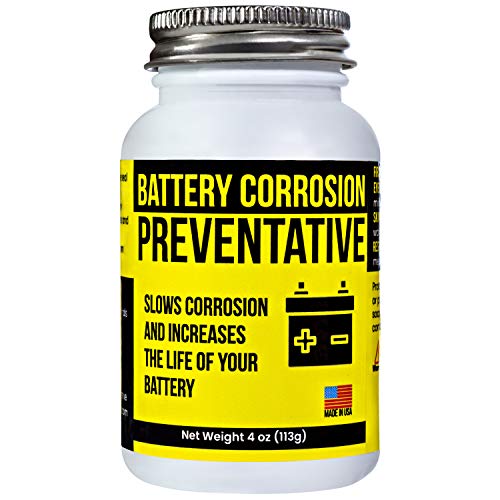
Reliable Protection: Mission Automotive's battery terminals brush paint on protector extends battery life by guarding against corrosion. This grease is ideal for enhancing vehicle performance and maintaining efficient cranking ability
Frequently Asked Questions
How Long Does a Typical Car Battery Last Before It Needs to Be Replaced?
Your car battery typically lasts 3-5 years before replacement. To extend its life, follow these maintenance tips: regularly check battery fluid levels, keep terminals clean, and look out for signs of a dying battery like slow cranking or dimming lights.
Can a Car Battery Die Suddenly Even if It Is Relatively New?
Yes, a car battery can suddenly die while you’re driving. It may be relatively new, but factors like lack of maintenance or signs of a failing battery can cause it. Stay informed and take preventive measures.
Are There Any Warning Signs That Indicate a Car Battery Is About to Fail?
If your car battery dies while driving, it can be a sudden and unexpected situation. However, there are warning signs that indicate a battery is about to fail. Taking preventive measures like regular maintenance can help avoid this issue.
Is It Safe to Jump-Start a Car Battery While Driving?
Jump starting a car battery while driving is not safe. It can lead to electrical damage or accidents. Instead, pull over to a safe location and follow proper jump starting precautions or consider alternative options.
What Should I Do if My Car Battery Dies While I’m on a Busy Highway or in Heavy Traffic?
If your car battery dies while driving on a busy highway or in heavy traffic, the first thing you need to do is pull over safely. Then, contact roadside assistance for help.

Evan Armstrong is a lead automotive engineer at Car Troubleshooters with over 15 years of experience in the automotive industry. He has a Master's degree in Automotive Engineering and a deep understanding of how cars work and what it takes to fix them.