

Did you know that 30% of car battery failures happen without warning? It can be frustrating to find yourself stranded due to a dead battery, especially when you had no indication of it being an issue.
But fear not! In this article, we will explore the common causes of sudden car battery failure and provide you with practical solutions to prevent such unexpected incidents.
Stay in control and keep your car running smoothly with our expert tips.
Key Takeaways
- Leaving headlights on overnight or draining the battery due to accessories left on are common causes of sudden car battery failure.
- Faulty alternators and improper battery maintenance can also lead to car battery failure.
- Signs to look out for before your car battery dies include slow engine crank, dim headlights, electrical issues, corrosion on battery terminals, and low battery voltage.
- Extreme temperatures, both hot and cold, can impact the lifespan of your car battery, so it’s important to take precautions such as parking in shaded areas during hot weather and using battery blankets or insulating wraps in cold weather.
Common Causes of Sudden Car Battery Failure
One common cause of sudden car battery failure is when you leave your headlights on overnight. This simple mistake can lead to a drained battery, leaving you stranded and in need of a jumpstart. However, it isn’t the only reason for unexpected battery failure. Other potential culprits include a faulty alternator and improper battery maintenance.
A faulty alternator can cause your car battery to fail without warning. The alternator is responsible for charging the battery while the engine is running. If it isn’t functioning properly, the battery may not receive the necessary charge, leading to a quick depletion of power. This can happen without any noticeable signs, leaving you surprised when your car fails to start.
Improper battery maintenance can also contribute to sudden battery failure. Neglecting regular maintenance tasks such as cleaning the terminals, checking the water level (for non-sealed batteries), or testing the battery’s voltage can lead to a weakened or dead battery. It’s important to regularly inspect and care for your battery to ensure its longevity and prevent unexpected failures.
To avoid these common causes of sudden car battery failure, make sure to turn off your headlights when not in use and regularly maintain your alternator and battery. By doing so, you can prevent unexpected battery failures and enjoy a liberated driving experience.
Recommended Products

START DEAD BATTERIES — Instantly start dead batteries with 1000 amps of peak lithium power. Up to 20 starts per charge on engines up to 6.0L gas and 3.0L diesel.

POWERFUL CAR BATTERY JUMP STARTER: The ET03 car battery jump starter can easily jump-start all 12V common vehicles with up to 8.0L gas and 7.0L diesel engines in seconds with its peak current reaching 4000 amps. Supports 50 jump starts at most on a single charge and suitable for lawnmowers, motorcycles, passenger cars, trucks, and even boats, etc.

1600 PEAK AMPS - Delivers portable starting power for most 4, 6 and 8-cylinder cars and trucks without another vehicle; compatible with 12V WET, GEL and AGM lead-acid vehicle batteries
Signs to Look Out for Before Your Car Battery Dies
Keep an eye out for these telltale signs that your car battery is nearing its end. Being aware of these warning signs can help you avoid the frustration and inconvenience of a sudden battery failure. By practicing regular battery maintenance, you can extend the life of your car battery and prevent unexpected breakdowns.
| Warning Signs | Battery Maintenance |
|---|---|
| Slow engine crank | Check battery voltage |
| Dim headlights | Clean battery terminals |
| Electrical issues | Inspect battery cables |
One of the most common signs of a dying battery is a slow engine crank. If you notice that your engine is struggling to start or takes longer than usual to turn over, it may be a sign that your battery is losing its power. Additionally, if your headlights appear dimmer than usual or flicker when the engine is running, it could indicate a weak battery.
Regular battery maintenance is essential to prolonging the life of your car battery. Periodically checking the battery voltage can help you identify any potential issues early on. Cleaning the battery terminals and inspecting the battery cables for any signs of damage or corrosion is also crucial for optimal battery performance.
How Weather Conditions Affect Your Car Battery’s Lifespan
Don’t let weather conditions catch you off guard – be aware of how they can impact the lifespan of your car battery. Car battery maintenance is crucial to ensure optimal performance and longevity.
One of the key factors that can affect your car battery is temperature. Extreme temperatures, both hot and cold, can have a significant impact on the health of your battery.
In hot weather, the heat can cause the fluid inside the battery to evaporate, leading to reduced battery capacity. This can result in difficulties starting your car or even a complete battery failure.
On the other hand, cold weather can slow down the chemical reactions inside the battery, making it harder for it to generate the necessary power to start your vehicle. Additionally, cold weather can increase the internal resistance of the battery, further reducing its performance.
To mitigate the impact of temperature on your car battery, there are a few steps you can take. Park your vehicle in a shaded area during hot weather to minimize exposure to direct sunlight. In cold weather, consider using a battery blanket or insulating wrap to keep the battery warm. Regularly inspect and clean the terminals to ensure good electrical connections.
Preventative Maintenance Tips to Extend Your Car Battery’s Life
To ensure the longevity of your car battery, regularly check and maintain its condition with these preventative maintenance tips.
- Inspect Battery Terminals: Check the battery terminals for any signs of corrosion or loose connections. Corrosion can impede the flow of electricity, while loose connections can cause electrical resistance and drain the battery. Clean the terminals with a mixture of baking soda and water, and tighten any loose connections using a wrench.
- Keep Battery Secure: Make sure the battery is securely mounted in place to prevent vibrations and movement while driving. Excessive movement can damage the internal components of the battery and shorten its lifespan.
- Avoid Short Trips: Short trips don’t allow the battery to fully recharge, leading to a gradual depletion of its capacity. Whenever possible, try to combine multiple short trips into one longer trip to give the battery enough time to charge.
- Use a Battery Charger: If your car isn’t driven regularly, consider using a battery charger to keep the battery charged. Connect the charger according to the manufacturer’s instructions and let it charge the battery overnight. This will help maintain the battery’s charge and extend its overall life.
By following these preventative maintenance tips, you can ensure that your car battery remains in good condition and prolong its lifespan.
Regular inspections, secure mounting, avoiding short trips, and using a battery charger when necessary will help keep your battery charged and ready to go whenever you need it.
Quick Fixes and Solutions When Your Car Battery Dies Unexpectedly
If your car battery dies unexpectedly, but you have jumper cables, you can easily jump-start your car with the help of another vehicle. Here’s how you can do it:
- Position both vehicles: Park the working vehicle close to your car, but make sure they’re not touching each other. Turn off both engines and engage the parking brakes.
- Connect the cables: Identify the positive (+) and negative (-) terminals on both batteries. Connect one end of the red cable to the positive terminal of the dead battery, and the other end to the positive terminal of the working battery. Then, connect one end of the black cable to the negative terminal of the working battery, and the other end to an unpainted metal surface on your car, away from the battery.
- Start the working vehicle: Start the engine of the working vehicle and let it run for a few minutes.
- Start your car: Try to start your car. If it doesn’t start within a few attempts, you may need to wait a little longer for the dead battery to charge.
Recommended Products
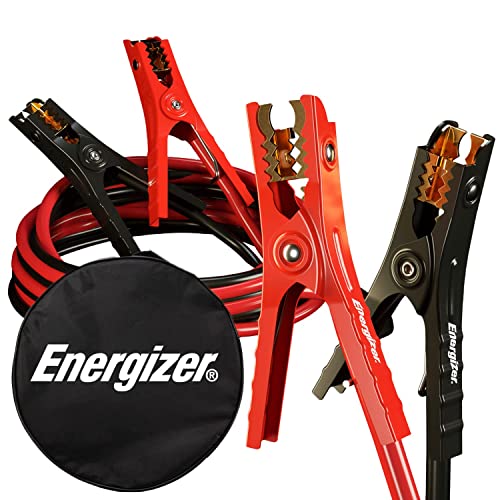
ENERGIZER 16 FEET JUMPER CABLES - 6 Gauge, 16 FT booster battery jumper cables for jump starting a dead or weak battery. Ideal for trucks, SUVs, full-size cars, mid-size cars and small/compact cars
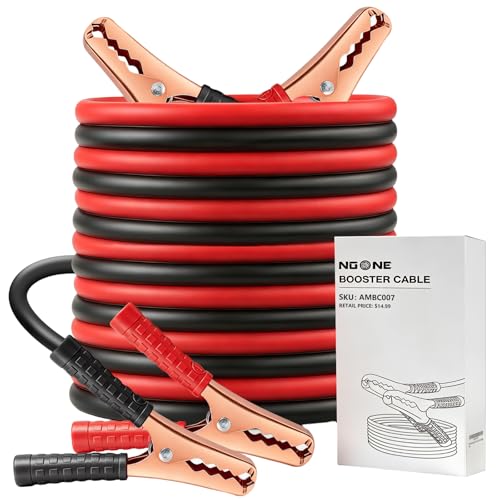
UNIVERSAL FITMENTS :NOONE 10 FT car jumper cables support 200A peak current for jumping start 12/24V car battery. So NOONE booster cables are suitable for your vehicles with up to 3.0 L Gas Engines

Powerful and Durable - Powered by GOOLOO JUMPCORE technology, this 3000 amp portable car battery jumper starter provides instant restart for your 12V dead vehicles, supporting engines up to 9.0L for gas and 6.5L for diesel . Even if the battery voltage is extremely low, simply press the "BOOST" button to forcefully jump start your car. With over 1000+ charge cycles, this jump box for car battery is built to withstand extreme weather conditions ranging from -4°F to 140°F.
Frequently Asked Questions
What Are the Common Signs of a Dying Car Battery?
If your car battery dies suddenly, it could be due to signs of a failing battery. Look for symptoms like slow engine start, dimming lights, and frequent jump-starts. To fix it, get a professional inspection and consider replacing the battery.
Can Extreme Cold Weather Cause a Car Battery to Die Suddenly?
Can extreme weather conditions suddenly drain your car battery? High humidity and extreme heat can have detrimental effects on battery life. Learn how to prevent these issues and keep your battery fully charged.
How Often Should I Replace My Car Battery?
You should replace your car battery when it shows signs of dying, such as slow engine cranking or dim headlights. Regular maintenance can help prevent sudden failures, but it’s important to be proactive.
Can Using Electronic Accessories While the Car Is off Drain the Battery?
Using electronic accessories while the car is off can indeed drain the battery. Prolonged car inactivity can also have a negative effect on battery life. To properly maintain your car battery, be mindful of its usage and ensure regular maintenance.
Are There Any DIY Methods to Jumpstart a Dead Car Battery?
To jumpstart a dead car battery, you can try alternatives such as using a portable jump starter or a battery charger. Regular car battery maintenance, like checking for corrosion, can help prevent this issue in the future.

Evan Armstrong is a lead automotive engineer at Car Troubleshooters with over 15 years of experience in the automotive industry. He has a Master's degree in Automotive Engineering and a deep understanding of how cars work and what it takes to fix them.