
A bad sensor can indeed cause engine knock in a 1998 Jeep Cherokee. Specifically, a malfunctioning knock sensor may fail to detect abnormal vibrations, leading to improper timing adjustments and engine performance issues.
Jeep Cherokee Engine Knock Diagnosis Factors
Engine knock refers to an abnormal combustion event in the engine. It can lead to severe engine damage if not addressed promptly. Common symptoms include a metallic pinging sound, reduced power, and poor fuel efficiency. Diagnosing the root cause is essential to prevent further damage.
Jeep Cherokee Engine Knock Diagnosis Guide
Engine knock in a 1998 Jeep Cherokee can be a frustrating issue for owners. Understanding the potential causes, including the role of faulty sensors, is crucial for accurate diagnosis. This guide will help you identify symptoms and troubleshoot the problem effectively, ensuring your vehicle runs smoothly.
| Symptom | Primary Suspect | Difficulty (1-5) |
|---|---|---|
| Metallic pinging | Knock sensor | 3 |
| Poor acceleration | Fuel pressure issue | 4 |
| Engine misfires | Ignition system | 3 |
| Reduced fuel economy | Air-fuel mixture | 2 |
Bad Knock Sensor Effects on 98 Jeep Cherokee
A malfunctioning knock sensor can significantly impact the performance of a 1998 Jeep Cherokee. This component plays a crucial role in detecting engine knock and adjusting timing accordingly. When the sensor fails, it can lead to poor engine performance, reduced fuel efficiency, and increased emissions, making it essential to understand its effects on your vehicle.
Several factors can contribute to engine knock. While a bad knock sensor is a primary suspect, other components may also be at fault. These include:
Fuel quality: Low-octane fuel can lead to knocking.
Ignition timing: Incorrect timing can cause premature combustion.
Engine wear: Worn components can affect combustion efficiency.
Identifying the root cause requires a systematic approach to diagnostics.
Diagnosing Engine Knock in 98 Jeep Cherokee
Diagnosing engine knock in a 1998 Jeep Cherokee requires careful attention to various components, including sensors that may contribute to the issue. Understanding how these sensors function and their potential impact on engine performance is crucial for accurate diagnosis. This section will explore the relationship between faulty sensors and engine knock, guiding you through the diagnostic process.
Follow these steps to address engine knock effectively:
Inspect the knock sensor for physical damage or corrosion.
Check the wiring harness for loose connections or shorts.
Test the sensor using a multimeter to ensure it provides the correct voltage.
Replace the knock sensor if it fails the test.
Examine fuel quality and switch to a higher-octane fuel if necessary.
Adjust ignition timing using a timing light to ensure it is within specifications.
Fuel Grade Impact on Jeep Cherokee Engine Knock
The fuel grade used in your 1998 Jeep Cherokee can significantly influence engine performance and contribute to engine knock. Lower octane fuels may not provide adequate resistance to knocking, leading to potential damage over time. Understanding how fuel quality affects your engine is crucial for maintaining optimal performance and preventing costly repairs.
Using the correct fuel grade is crucial for optimal engine performance. Low-octane fuel can lead to engine knock due to premature ignition. Always refer to the owner’s manual for the recommended fuel grade.
Jeep Cherokee Engine Knock Fuel Quality Guide
Understanding the relationship between fuel quality and engine knock is crucial for maintaining the performance of a 1998 Jeep Cherokee. Poor fuel can exacerbate engine knocking, leading to potential damage and costly repairs. This guide will help you identify how fuel quality impacts engine knock and what steps to take for optimal performance.
Use fuel with the correct octane rating.
Avoid fuels with high ethanol content.
Regularly clean fuel injectors to maintain optimal performance.
Symptoms of a Failing Knock Sensor in Jeep Cherokee
A failing knock sensor in a 1998 Jeep Cherokee can lead to engine performance issues, including knocking sounds and decreased efficiency. Recognizing the symptoms of a malfunctioning sensor is crucial for timely diagnosis and repair, ensuring your vehicle runs smoothly and avoids further damage. Understanding these signs can help you take the necessary steps to address the problem effectively.
A failing knock sensor can manifest in various ways. Recognizing these symptoms early can prevent further engine damage.
Increased engine noise: Metallic sounds during acceleration.
Check engine light: Activation of the warning light on the dashboard.
Decreased fuel efficiency: Noticeable drop in miles per gallon.
Jeep Cherokee Engine Knock Sensor Issues
Engine knock can be a frustrating issue for owners of a 1998 Jeep Cherokee, often leading to concerns about performance and reliability. One potential culprit behind this problem is a faulty engine knock sensor. Understanding how these sensors function and their impact on engine performance is essential for accurate diagnosis and effective resolution.
Ignoring these symptoms can lead to severe engine damage and costly repairs.
Essential Tools for Diagnosing Jeep Engine Knock
Diagnosing engine knock in a 1998 Jeep Cherokee requires specific tools to accurately identify the source of the problem. From sound detection devices to diagnostic scanners, having the right equipment can streamline the troubleshooting process and help pinpoint whether a faulty sensor is to blame for the unsettling noise. Understanding these essential tools is crucial for effective diagnosis and repair.
Having the right tools simplifies the diagnostic process. Essential tools include:
OBD-II scanner: For reading trouble codes.
Multimeter: To test sensor voltage.
Torque wrench: For proper installation of new components.
Recommended Products
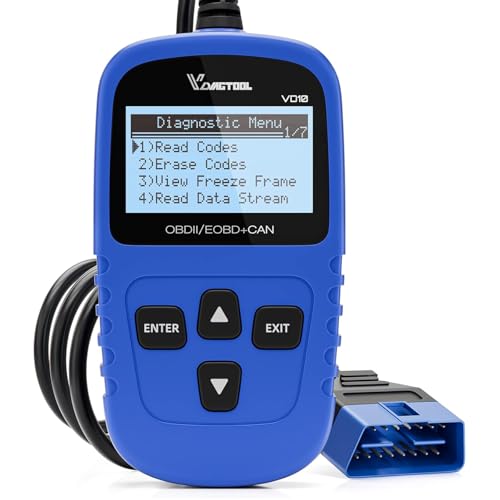
【A MUST-HAVE TOOL FOR DIYERS】 - VDIAGTOOL VD10 car code reader is an incredibly useful obd scanner for each car owner or hobbyist, even for those with little to no...
Jeep Cherokee Knock Sensor Diagnosis Steps
Performing regular maintenance and addressing issues promptly can prolong the life of your Jeep Cherokee’s engine. If you suspect a bad knock sensor, follow the outlined steps for diagnosis and repair. Always consult a professional mechanic if you are unsure about the process.
Recommended Products

Compatible part no.:0071530428 5149188AA KS436 68166540AA 5S12501

[Vehicle Fitment]: Compatible with Chrysler 200 11-16, 300 06-14 16 18-20, Aspen 07-09, PT Cruiser 03-10, Sebring 03-10, Voyager 06; Compatible with Dodge Avenger 08-14, Caliber 07-12, Caravan 03-07, Challenger 08-19, Charger 06-, Dart 13-14, Durango 04-09/11-14/18-20, Grand Caravan 04-10, Journey 09-14/18-19, Magnum 05-08, Ram 1500 Pickup/Ram 2500 Pickup 03-10, Stratus 03-06, SX 2.0 03-05, Viper 05-06/08-10/15-17

Delphi brings 80 + years of OE Heritage into each Delphi assembly, ensuring quality and fitment for each Delphi part

Evan Armstrong is a lead automotive engineer at Car Troubleshooters with over 15 years of experience in the automotive industry. He has a Master's degree in Automotive Engineering and a deep understanding of how cars work and what it takes to fix them.