
Loose steering in a Jeep Wrangler can often be resolved by tightening the control components. Addressing this issue not only improves handling but also enhances overall safety while driving.
Symptoms of Loose Steering in Jeep Wrangler
Recognizing the symptoms of loose steering is the first step in addressing the problem. Common signs include excessive play in the steering wheel, wandering while driving, and difficulty maintaining a straight path. These symptoms can lead to unsafe driving conditions and should not be ignored.
| Symptom | Primary Suspect | Difficulty (1-5) |
|---|---|---|
| Excessive play in steering wheel | Worn tie rod ends | 3 |
| Wandering while driving | Loose steering box | 4 |
| Difficulty maintaining straight path | Worn ball joints | 3 |
Essential Tools for Jeep Steering Repair
To effectively address loose steering in your Jeep Wrangler, having the right tools on hand is crucial. This section outlines the essential equipment you’ll need to diagnose and repair steering issues, ensuring your vehicle handles safely and responsively. With the proper tools, you can tackle the problem confidently and restore your Jeep’s steering performance.
Before starting repairs, gather all necessary tools and supplies. Having everything on hand will streamline the process and reduce downtime. Essential items include:
Socket set for removing bolts
Wrench set for adjustments
Torque wrench for precise tightening
Jack stands for vehicle support
Grease for lubrication
Ensure you have a repair manual specific to your Jeep Wrangler model for detailed instructions.
Recommended Products

SAE and Metric threaded bolts for vehicles with 4-Inch hubs

Designed For The Removal of Alternator, Power Steering Pulleys and More

Give your Wrangler JK the Perfect Blend of Performance and Stability from Rough Country.
Prepare for the Repair Process
Before diving into the repair process for loose steering in your Jeep Wrangler, it’s essential to gather the necessary tools and materials. Understanding the components involved will streamline your efforts and ensure a more effective fix. This preparation will help you tackle the issue with confidence and clarity.
Preparation is critical for a successful repair. Begin by parking the vehicle on a flat surface and engaging the parking brake.
Gather your tools and supplies, and ensure you have adequate lighting in your workspace. Wearing safety glasses and gloves is recommended to protect against debris and sharp edges.
Jack Stand Safety for Vehicle Maintenance
When addressing loose steering in your Jeep Wrangler, ensuring safety during maintenance is crucial. Utilizing jack stands properly protects you while you work under your vehicle, allowing you to focus on tightening your control. Understanding the right techniques for jack stand use will enhance your overall repair experience and keep you safe.
Always use jack stands when working under the vehicle.
Ensure the vehicle is securely supported before starting any repairs.
Tightening Control Components for Steering Stability
Loose steering in a Jeep Wrangler can compromise both safety and driving experience. Addressing this issue involves tightening various control components that contribute to steering stability. This section will guide you through the essential steps to ensure your steering system is secure and responsive.
Follow these steps to tighten the control components and fix loose steering. Each step is crucial for ensuring the steering system functions properly.
Inspect the steering components for wear or damage.
Tighten the steering box bolts using a socket set.
Adjust the tie rod ends by loosening the lock nuts and turning the tie rod.
Check the ball joints for play and replace if necessary.
Lubricate all moving parts with grease to ensure smooth operation.
Recommended Products

Give your vehicle the Perfect Blend of Performance and Stability from Rough Country.

Direct replacement for worn-out OE stabilizer.

COMPATIBILITY – Fits 1984-2001 Jeep Cherokee; 1986-1992 Jeep Comanche; 1993-1998 Jeep Grand Cherokee; 1984-1990 Jeep Wagoneer; 1987-2006 Jeep Wrangler; 1997-2006 Jeep TJ; 1980-1988 American Motors Eagle
Steering Component Adjustment Techniques
Loose steering in your Jeep Wrangler can compromise both safety and driving enjoyment. Understanding how to properly adjust steering components is essential for restoring control and enhancing your driving experience. This section outlines effective techniques to tighten and fine-tune your steering system for optimal performance.
| Step | Action | Tool Required |
|---|---|---|
| 1 | Inspect steering components | Visual inspection |
| 2 | Tighten steering box bolts | Socket set |
| 3 | Adjust tie rod ends | Wrench set |
| 4 | Check ball joints | Visual inspection |
| 5 | Lubricate moving parts | Grease gun |
Loose Steering Issue Identifiers
Identifying the signs of loose steering in your Jeep Wrangler is crucial for maintaining safety and control on the road. By recognizing these specific symptoms early on, you can address the issue before it escalates, ensuring a smoother and more responsive driving experience. This section outlines the key indicators that signal a loose steering problem.
Understanding the root causes of loose steering can help prevent future issues. Common causes include:
Worn tie rod ends leading to excessive play.
Loose steering box bolts causing instability.
Worn ball joints affecting steering precision.
Regular inspections can help identify these issues before they escalate.
Maintain Steering Components for Longevity
Maintaining the steering components of your Jeep Wrangler is crucial for ensuring both safety and performance. Regular checks and adjustments can prevent loose steering and extend the life of your vehicle’s steering system. This section will guide you through essential maintenance practices to keep your steering tight and responsive.
Regular maintenance of steering components is essential for long-term performance. Schedule periodic inspections and lubrication to ensure everything remains in good working order. Consider the following maintenance tips:
Inspect steering components every 6,000 miles.
Lubricate joints and bushings every oil change.
Replace worn parts immediately to avoid further damage.
Recommended Products

Give your Wrangler JK the Perfect Blend of Performance and Stability from Rough Country.

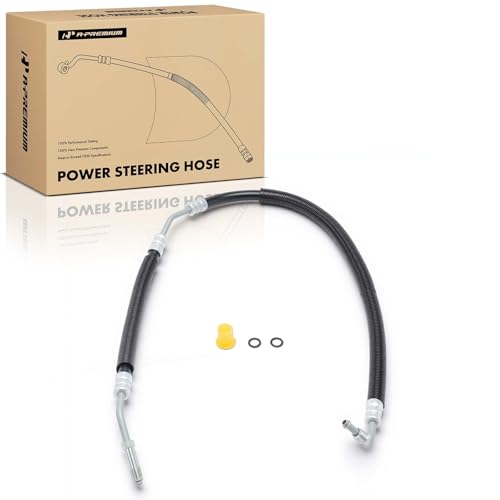
[Vehicle Fitment]: Compatible with Jeep Wrangler 2007-2011 V6 3.8L --- with Left Hand Drive
Steering Maintenance Safety Risks
Addressing loose steering in a Jeep Wrangler is crucial not only for performance but also for safety. Neglecting steering maintenance can lead to severe handling issues, increasing the risk of accidents. Understanding these safety risks is essential for any Jeep owner looking to ensure a secure and reliable driving experience.
Neglecting steering maintenance can lead to serious safety hazards.
Final Steps for a Successful Repair
After addressing the primary issues contributing to loose steering in your Jeep Wrangler, it’s crucial to follow a few final steps to ensure a successful repair. These concluding actions will help you verify the integrity of your adjustments and restore optimal control for a safer driving experience. Careful attention to these details can make all the difference in your vehicle’s handling.
After completing the tightening process, take the following steps to ensure everything is functioning correctly:
Test drive the vehicle to check for improvements.
Recheck all bolts after the test drive to ensure nothing has loosened.
Document any repairs for future reference.
A well-maintained steering system is crucial for safe driving. Regular checks and repairs can prevent loose steering from becoming a recurring issue.

Evan Armstrong is a lead automotive engineer at Car Troubleshooters with over 15 years of experience in the automotive industry. He has a Master's degree in Automotive Engineering and a deep understanding of how cars work and what it takes to fix them.