
Flushing the brake fluid in a BMW typically requires about 1 to 2 liters of DOT 4 brake fluid. This volume is sufficient for most models to ensure a complete system flush and maintain optimal braking performance.
BMW Brake Fluid Flush Volume Requirements
Understanding the specific volume requirements for a brake fluid flush in BMW vehicles is crucial for maintaining optimal braking performance. This section outlines the necessary amounts of brake fluid needed for various BMW models, ensuring you have the right specifications for a complete and effective flush. Accurate knowledge of these requirements can help prevent potential issues during maintenance.
Brake fluid is critical for the safe operation of your BMW. It transfers force from the brake pedal to the brake components.
Using the correct fluid type is essential to avoid damage and ensure effective braking. BMW generally recommends DOT 4 brake fluid for its vehicles. This fluid has a higher boiling point than DOT 3, making it more suitable for performance vehicles.
Recommended Products

Genuine OEM - direct fit
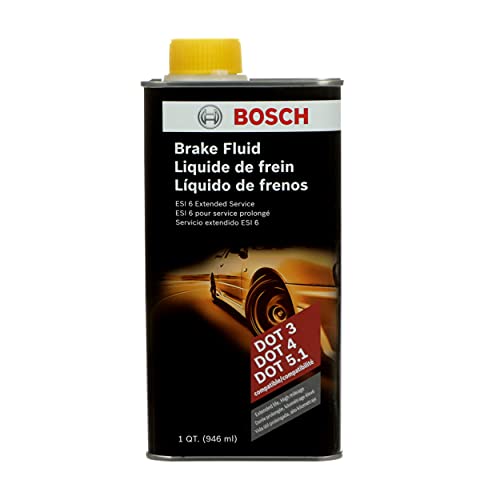
[NEXT GENERATION FLUID] - Bosch ESI6 is a next generation brake fluid designed for today's modern braking systems and is the first fluid to simultaneously combine both low viscosity and high wet boiling point (365 Degrees Fahrenheit)

Pentosin DOT 4 LV is a special brake fluid of highest DOT 4 performance levels and extremely low viscosity at cold temperatures
BMW Brake Fluid Flush Volume Requirements
When performing a brake fluid flush on a BMW, it’s essential to know the specific volume requirements to ensure optimal performance and safety. Different models may have varying capacities, so understanding these specifications will help maintain the integrity of the braking system and prevent any potential issues during the process.
The amount of brake fluid needed for a complete flush varies by model. Most BMWs require between 1 and 2 liters for a thorough flush. Below is a table summarizing the typical fluid volume requirements for various BMW models.
| BMW Model | Brake Fluid Volume (Liters) |
|---|---|
| 3 Series | 1.0 – 1.5 |
| 5 Series | 1.0 – 1.5 |
| 7 Series | 1.5 – 2.0 |
| X5 | 1.5 – 2.0 |
| Z4 | 1.0 – 1.5 |
It is advisable to consult the owner’s manual for your specific model to determine the exact requirements.
BMW Brake Fluid Flushing Procedure
Flushing the brake fluid in your BMW is a crucial maintenance task that ensures optimal braking performance and safety. Understanding the specific volume and specifications required for your model is essential for a successful flush. This section outlines the detailed procedure to effectively carry out a brake fluid flush on your BMW, ensuring you have the right information at hand.
Flushing brake fluid is a straightforward process but requires attention to detail. Follow these steps to ensure a proper flush:
Gather necessary tools: Obtain a brake fluid bleeder kit, a wrench for the bleeder valves, and a container for old fluid.
Prepare the vehicle: Park the BMW on a level surface and engage the parking brake.
Remove old fluid: Open the brake fluid reservoir cap and use a turkey baster to remove old fluid.
Fill with new fluid: Pour fresh DOT 4 brake fluid into the reservoir until it reaches the maximum fill line.
Bleed the brakes: Starting from the wheel farthest from the master cylinder, open the bleeder valve and allow old fluid to escape until it runs clear. Close the valve and repeat for each wheel.
Check fluid level: Ensure the reservoir is filled to the proper level after bleeding all brakes.
Test brakes: Press the brake pedal to ensure it feels firm before driving.
Brake Fluid Flushing Safety Guidelines
When flushing the brake fluid in a BMW, safety should be a top priority. Understanding the necessary precautions can help prevent accidents and ensure a smooth process. This section outlines essential safety guidelines to follow during the brake fluid flushing procedure, ensuring both the vehicle’s integrity and the technician’s well-being.
Flushing brake fluid involves handling chemicals that can be harmful. Always wear gloves and safety goggles to protect your skin and eyes.
Brake fluid can damage paint and other surfaces, so take care to avoid spills. Dispose of old brake fluid according to local regulations to prevent environmental damage.
Indicators for BMW Brake Fluid Flush
Understanding when to flush your BMW’s brake fluid is crucial for maintaining optimal braking performance. Several indicators can signal that it’s time for a flush, including changes in fluid color, moisture content, and mileage since the last service. Recognizing these signs can help ensure your vehicle remains safe and responsive on the road.
Regular maintenance of brake fluid is crucial. Look for these signs to determine if a flush is necessary:
Brake warning light: Illuminates on the dashboard.
Spongy brake pedal: Indicates air in the system or low fluid.
Discoloration: Dark or cloudy fluid suggests contamination.
Unusual noises: Grinding or squeaking sounds during braking.
Brake Fluid Flush Frequency and Benefits
Regularly flushing brake fluid helps maintain braking efficiency and extends the life of brake components. Old fluid can absorb moisture, leading to corrosion and reduced performance. Schedule a brake fluid flush every 2 years or as recommended in your BMW’s maintenance schedule.
BMW Brake Fluid Flush Volume Requirements
Using the correct amount of DOT 4 brake fluid and following proper procedures ensures your BMW’s braking system operates effectively. Regular maintenance helps prevent costly repairs and enhances safety on the road. Always consult your owner’s manual for specific recommendations tailored to your model.

Evan Armstrong is a lead automotive engineer at Car Troubleshooters with over 15 years of experience in the automotive industry. He has a Master's degree in Automotive Engineering and a deep understanding of how cars work and what it takes to fix them.