
Resetting the BMW dashboard to clear service and error codes is essential for maintaining accurate vehicle performance indicators. This process can be accomplished using the vehicle’s onboard diagnostics or specialized tools, ensuring that all alerts are properly reset for optimal driving conditions.
Essential Tools for BMW Dashboard Reset
To effectively reset your BMW dashboard and clear service and error codes, having the right tools is crucial. This section outlines the essential equipment you’ll need to ensure a smooth and successful reset process. With the proper tools at your disposal, you can tackle the task with confidence and precision.
Before starting the reset process, gather the necessary tools and supplies. Having everything ready will streamline the procedure and minimize any potential issues.
OBD-II Scanner: Essential for reading and clearing codes.
BMW-specific Software: Useful for advanced diagnostics.
Owner’s Manual: Provides specific instructions for your model.
Battery Charger: Prevents battery drain during the reset.
Recommended Products

CEL Doctor: The ANCEL AD310 is one of the best-selling OBD II scanners on the market and is recommended by Scotty Kilmer, a YouTuber and auto mechanic. It can easily determine the cause of the check engine light coming on. After repairing the vehicle's problems, it can quickly read and clear diagnostic trouble codes of emission system, read live data & hard memory data, view freeze frame, I/M monitor readiness and collect vehicle information.

Maximize Value Without Overpaying - Why spend $200+ on scanners that can’t fully support your BMW or MINI? Unlike generic tools, this BMW-specific scanner delivers full-system diagnostics for BMW & MINI (1996 onward), covering more models and series with better compatibility, plus 5+ key special functions and life-time free updates, it helps you catch issues early, save money, and confidently maintain your car at home
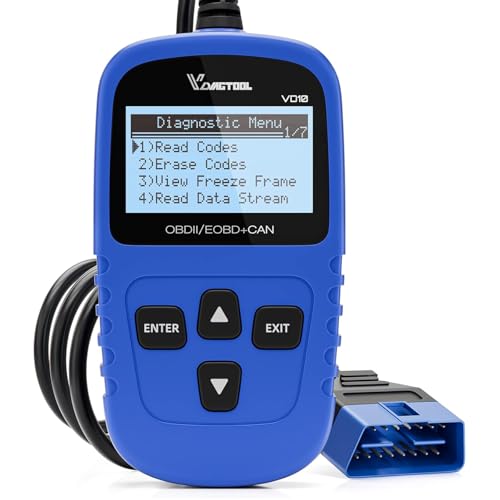
【A MUST-HAVE TOOL FOR DIYERS】 - VDIAGTOOL VD10 car code reader is an incredibly useful obd scanner for each car owner or hobbyist, even for those with little to no experience when it comes to vehicle mechanics! Similar to a fixd car diagnostic tool, using this car diagnostic scanner is extremely easy. All you have to do is attach it to your car OBDII port and you can diagnose car problems in seconds! Read Codes (DTCs); Clear Codes; Live Data; View Freeze Frame; I/M Readiness; Vehicle Information.
Preparation and Safety for Dashboard Reset
Before attempting to reset your BMW dashboard, it’s crucial to ensure you are fully prepared and prioritize safety. Understanding the necessary tools and following proper procedures can help prevent any potential damage to your vehicle’s electronics and ensure a smooth reset process. This section outlines the essential steps to take before diving into the reset procedure.
Taking the right precautions is vital when resetting the dashboard. Ensure the vehicle is parked in a safe location, preferably on a flat surface. Turn off all electronic accessories to avoid draining the battery.
Disconnect the Battery: This can help reset the dashboard codes.
Wear Safety Gear: Gloves and safety glasses protect against accidental shocks.
Check for Updates: Ensure your OBD-II scanner or software is up to date.
Master Execution of BMW Dashboard Reset
Resetting your BMW dashboard is essential for clearing service notifications and error codes that can clutter your driving experience. This process not only enhances the vehicle’s functionality but also ensures that you stay informed about its maintenance needs. Understanding the steps involved will empower you to manage your BMW dashboard effectively.
Follow these steps to effectively reset your BMW dashboard and clear any service or error codes. Each step is crucial for ensuring a successful reset.
Connect the OBD-II Scanner: Plug it into the OBD-II port under the dashboard.
Turn on the Ignition: Do not start the engine; just turn the key to the “On” position.
Access Diagnostic Menu: Navigate to the error code section on the scanner.
Read Error Codes: Document any codes for future reference.
Clear Codes: Select the option to clear or reset the codes.
Disconnect Scanner: Remove the OBD-II scanner from the port.
Reconnect Battery: If you disconnected it earlier, reconnect now.
Start the Engine: Check if the dashboard lights are cleared.
Frequent BMW Dashboard Error Codes
Understanding common error codes on your BMW dashboard is essential for effective vehicle maintenance. These codes can indicate various issues, from minor alerts to significant mechanical problems. Familiarizing yourself with these frequent codes will help you address potential concerns promptly and ensure your BMW operates smoothly.
Understanding common error codes can help identify issues before resetting. Here are some frequent codes you may encounter.
| Error Code | Description | Suggested Action |
|---|---|---|
| P0012 | Camshaft Position Timing Over Retarded | Inspect timing chain |
| P0171 | System Too Lean (Bank 1) | Check fuel injectors |
| P0455 | Evaporative Emission Control System Leak | Inspect gas cap |
Diagnosing Recurring BMW Error Codes
Diagnosing recurring error codes in your BMW is essential for maintaining optimal performance and ensuring the longevity of your vehicle. Understanding the root causes of these codes can help you address underlying issues effectively. This section will guide you through the process of identifying and interpreting these persistent error codes.
If error codes reappear after resetting, further investigation is necessary. This could indicate underlying issues that need addressing.
Check Wiring and Connectors: Look for frayed wires or loose connections.
Inspect Sensors: Faulty sensors may trigger error codes.
Perform a Visual Inspection: Look for leaks or other obvious issues.
Using BMW-specific Software for Advanced Reset
To effectively reset your BMW dashboard and clear service and error codes, utilizing BMW-specific software is essential. This approach not only ensures compatibility but also provides access to advanced features and functionalities tailored for your vehicle. Understanding how to navigate this software will empower you to maintain your BMW’s performance and accuracy.
For those with experience, using BMW-specific software can provide deeper insights into vehicle diagnostics. This software often offers advanced features not available through standard OBD-II scanners.
Download BMW Software: Ensure compatibility with your vehicle model.
Follow Software Instructions: Each program will have specific steps for resetting codes.
Utilize Live Data Features: Monitor real-time data for better diagnostics.
Dashboard Error Code Management
Managing dashboard error codes is essential for maintaining your BMW’s performance and ensuring a smooth driving experience. By understanding how to reset these codes, you can address potential issues promptly and keep your vehicle in optimal condition. This section will guide you through the necessary steps to effectively clear service and error codes from your BMW’s dashboard.
Failure to address persistent error codes may lead to further damage to your vehicle.
Dashboard Verification After Reset
After resetting your BMW dashboard, it’s essential to verify that the service and error codes have been successfully cleared. This step ensures that your vehicle’s systems are functioning properly and that no lingering issues remain. Proper verification can help maintain your car’s performance and longevity while providing peace of mind.
After completing the reset, it’s essential to verify that everything is functioning correctly. Take the vehicle for a short drive and monitor the dashboard for any reoccurring alerts.
Observe Dashboard Lights: Ensure no warning lights reappear.
Check Vehicle Performance: Listen for unusual noises or changes in handling.
By following these steps, you can successfully reset your BMW dashboard, ensuring that all service and error codes are cleared. This process helps maintain your vehicle’s performance and safety.

Evan Armstrong is a lead automotive engineer at Car Troubleshooters with over 15 years of experience in the automotive industry. He has a Master's degree in Automotive Engineering and a deep understanding of how cars work and what it takes to fix them.