
Opening a Honda CR-V key fob requires a careful approach to avoid damaging the device. The process involves using a small tool to pry open the fob and access the battery or internal components. Following the right steps ensures a successful opening without compromising the fob’s integrity.
Key Fob Opening Tool Requirements
To successfully open a Honda CRV key fob, it’s essential to have the right tools on hand. This section outlines the specific items you’ll need to ensure a smooth and efficient opening process. By preparing these tools in advance, you can avoid potential damage and streamline your key fob access.
Before attempting to open the key fob, gather the necessary tools. Having the right equipment will simplify the process and reduce the risk of damage. Here’s what you need:
Small flathead screwdriver: This will help pry open the fob.
Plastic opening tool: A safer option to avoid scratching the fob.
Replacement battery: Ensure you have the correct battery type ready.
Soft cloth: To protect the fob’s surface during the process.
Key Fob Opening Preparation Steps
Preparation is crucial to ensure a smooth opening experience. Make sure you are in a well-lit area to clearly see the fob’s seams. Wear gloves to prevent oils from your fingers from transferring to the fob. Avoid using excessive force when prying open the fob to prevent breaking the clips.
Honda CR-V Key Fob Opening Steps
Opening a Honda CR-V key fob can seem daunting, but with the right approach, it becomes a straightforward task. This section outlines the essential steps to safely and effectively access the internal components of your key fob, ensuring you can replace batteries or troubleshoot issues without unnecessary hassle. Follow these pro tips to navigate the process with confidence.
Follow these steps to open your Honda CR-V key fob effectively. Each step is designed to minimize the risk of damage.
Identify the seam: Locate the seam where the two halves of the fob meet.
Insert the tool: Carefully insert the small flathead screwdriver or plastic tool into the seam.
Pry gently: Apply gentle pressure to separate the halves. Work your way around the fob to avoid breaking any clips.
Remove the cover: Once the halves are separated, gently lift the cover off to reveal the internal components.
Battery Inspection and Replacement Steps
To ensure your Honda CRV key fob functions properly, regular battery inspection and replacement are essential. This section provides detailed steps to help you safely open your key fob, check the battery condition, and replace it if necessary, ensuring you stay connected to your vehicle without interruption. Follow these pro tips for a seamless experience.
After opening the fob, inspect the battery and internal components. The battery may be corroded or depleted, requiring replacement. Use the following steps to replace the battery:
Remove the old battery: Note the orientation of the battery before removing it.
Insert the new battery: Place the new battery in the same orientation as the old one.
Check for corrosion: Inspect the battery contacts for any signs of corrosion. Clean if necessary.
Reassembling Your Honda CRV Key Fob
Reassembling your Honda CRV key fob is a crucial step after replacing the battery or fixing internal components. Properly aligning the pieces ensures that the fob functions correctly and maintains its durability. This guide will walk you through the reassembly process to help you restore your key fob to its original condition.
Once the battery is replaced, reassemble the key fob. This step is crucial to ensure the fob functions correctly after opening. Follow these steps:
Align the halves: Position the two halves of the fob together.
Press firmly: Apply even pressure around the edges to snap the fob back together.
Test the fob: Test the key fob to ensure it functions properly.
Key Fob Opening Challenges and Solutions
Opening a Honda CRV key fob can present various challenges, from stubborn casings to intricate internal mechanisms. Understanding these obstacles is crucial for a successful opening process. This section explores common issues encountered and offers practical solutions to ensure you can access your key fob with ease.
Sometimes, issues may arise during the opening or reassembly of the key fob. Here are common problems and solutions:
| Issue | Solution |
|---|---|
| Fob won’t open | Check for hidden screws or clips. |
| Battery not working | Ensure correct battery type and orientation. |
| Fob not reassembling | Verify that all clips are aligned properly. |
Recommended Products
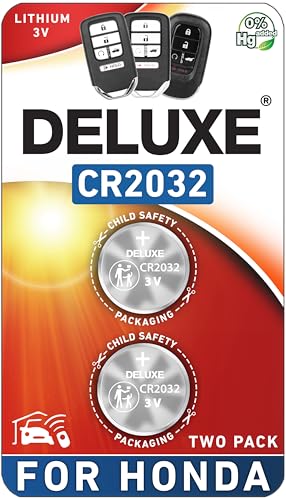
CONFIRM FIT - **Please confirm compatibility using the fitment guide located in the product images**

*Select your vehicle above*

PACKAGE INCLUDED : Two (2) CR1616 Remote key Fob Batteries and Opening/Pry Tools , Five item bundle (total 5pcs) , Please confirm compatibility using the fitment guide located in the product images.
Key Fob Internal Parts Explained
Understanding the internal components of a Honda CRV key fob is essential for anyone looking to troubleshoot issues or perform maintenance. This section delves into the various parts that make up the key fob, providing insights into their functions and how they contribute to the overall operation of the device. Familiarity with these components can enhance your ability to manage key fob-related challenges effectively.
Knowing the internal components of a key fob can help troubleshoot issues more effectively. Key components include:
Battery: Powers the fob.
Circuit board: Contains the electronic components.
Buttons: Allow for locking and unlocking functions.
Transmitter: Sends signals to the vehicle.
Professional Assistance for Key Fob Issues
When dealing with key fob issues, seeking professional assistance can save time and prevent further complications. Experts have the tools and knowledge to diagnose problems accurately, ensuring your Honda CRV’s key fob functions seamlessly. Understanding when to consult a professional can help you avoid unnecessary frustration and get back on the road quickly.
If you encounter significant resistance while opening the fob or if internal components appear damaged, it may be best to consult a professional. A technician can provide expert assistance and ensure your key fob is repaired correctly.
Key Fob Care for Longevity and Performance
Regularly check your key fob for signs of wear or battery depletion. Keeping the fob clean and free from debris will extend its lifespan. If you notice any irregularities in its function, address them promptly to avoid being locked out of your vehicle.

Evan Armstrong is a lead automotive engineer at Car Troubleshooters with over 15 years of experience in the automotive industry. He has a Master's degree in Automotive Engineering and a deep understanding of how cars work and what it takes to fix them.