
Key Takeaways
- Importance of Airbag Systems: Airbags are crucial for vehicle safety, deploying during collisions to protect passengers. Understanding their components is essential for recognizing airbag light issues.
- Common Activation Causes: The airbag light may activate due to faulty sensors, electrical problems, or wiring issues. Prompt identification of these problems is crucial for safety.
- Diagnostic Tools: Using On-Board Diagnostics (OBD-II) and professional scanners can effectively diagnose airbag system problems by retrieving and interpreting error codes.
- Immediate Actions: If the airbag light illuminates, check the dashboard for other warnings, turn off the engine, and ensure all seatbelts are secured before seeking professional help if the light persists.
- Professional Assistance: Consult experts for persistent airbag light issues, post-collision inspections, or when multiple dashboard indicators appear. Regular maintenance can prevent future problems.
Ever been driving and noticed that pesky airbag light glowing on your dashboard? It can be a little alarming, especially when you consider the importance of your car’s safety features. You might wonder if it’s a simple glitch or something more serious that needs attention.
Understanding why that light comes on can save you time, money, and even keep you safe on the road. In this article, you’ll learn about the common reasons behind the airbag light activation and what steps you should take to address it. Knowing what’s going on can give you peace of mind and help you stay informed about your vehicle’s health.
Understanding Airbag Systems
Airbag systems play a crucial role in vehicle safety. Understanding their components and functionality helps clarify why the airbag light activates.
Components of an Airbag System
Airbag systems consist of several key components that ensure effective operation:
- Airbags: These inflatable cushions deploy during a collision to protect passengers.
- Sensors: Impact sensors detect collisions and trigger airbag deployment.
- Control Module: This computer system evaluates sensor data and controls airbag activation.
- Wiring: Conduct electrical signals among various components, ensuring prompt response.
- Steering Wheel and Dashboard Lights: Provide visual notifications to alert you if there’s an issue.
Each component collaborates to reduce the risk of injury during an accident.
How Airbags Work
Airbags deploy rapidly to cushion and protect you in an impact. Here’s how the process unfolds:
- Impact Detection: Sensors recognize a collision and send signals to the control module.
- Signal Transmission: The control module activates the inflator system in milliseconds.
- Inflation: Gases fill the airbag, expanding it between you and the vehicle’s interior.
- Deflation: After a fraction of a second, the airbag deflates to allow visibility and space.
Airbags deploy with high velocity, typically within 20 to 30 milliseconds. Their increased effectiveness relies on proper seatbelt use, ensuring maximum safety. Understanding these functions informs you about potential reasons for airbag light activation.
Common Reasons for Airbag Light Activation
The airbag light can activate for several reasons, indicating potential issues with your vehicle’s safety systems. Recognizing these reasons helps you address them promptly.
Recommended Products

Quick & Easy Testing – Instantly checks spark plug wire function using a simple light-up inductive design

NCV: The Non-Contact Voltage Tester is equipped with NCV sensing probe, which provides you with the easiest and safest way to check the voltage in a wire, outlet, or switch. When it is close to an outlet or power cord, the voltage detector will emit different levels of alarm sounds and signal indicator lights to indicate the presence and strength of voltage

【NCV】Non contact voltage tester provides the easiest and safest way of checking for electrical current in a wire, outlet, switch or lamp that has mysteriously stopped working.
Faulty Sensor Issues
Faulty sensors trigger airbag light activation. Every airbag system relies on impact sensors to detect collisions. If a sensor malfunctions or gets damaged, it can send incorrect signals to the control module. For instance, if a sensor in the front of your vehicle fails, the airbag system might not deploy during a crash, increasing injury risk. Regular maintenance checks can reveal sensor issues before they become critical.
Electrical Problems
Electrical problems often lead to airbag light activation. Wiring and connectors link various components of the airbag system. If a wire frays or a connector loosens, it disrupts communication between parts. This disruption can prevent the airbag from functioning correctly. For example, if corrosion affects a connector, you might see the airbag light blinking. Addressing these electrical concerns often requires a professional inspection to ensure safe and effective repairs.
Diagnostic Tools for Airbag Light
When the airbag light comes on, using diagnostic tools can pinpoint the issue. Two primary types of tools assist in identifying problems: On-Board Diagnostics (OBD-II) and professional scanners.
Recommended Products

[Easy to Use—Work Out of the Box] + [FOXWELL 2026 New Version] FOXWELL NT604 Elite scan tool is the 2026 new version from FOXWELL, designed for car owners who want to figure out the cause of issues before fixing car problems by scanning common systems like ABS, SRS, engine, and transmission. The NT604 Elite obd2 scanner diagnostic tool comes with the latest software—no need to waste time downloading software first. Plug the scanner into the OBDII port with OBDII cable to start the diagnosis.

[Diagnose Like a Pro] BlueDriver Pro is a professional OBD2 scanner and diagnostic tool that helps you scan, understand, and clear vehicle trouble codes with confidence. Turn your phone into a powerful car diagnostic scanner—no guesswork, no unnecessary repairs.

【WIDE VEHICLE COMPATIBILITY】 Full engine diagnostics support most 1996 and newer OBDII-compliant gasoline cars, SUVs, and light-duty trucks sold in the US. The 4-system diagnostics (Engine, Transmission, ABS, SRS) supports the 44+ brands listed above. Bluetooth 5.1 connection works with both iOS and Android devices for ultimate convenience.
On-Board Diagnostics (OBD-II)
OBD-II systems standardize vehicle diagnostics. They provide access to information through a dedicated port, typically located under the dashboard. You can connect a compatible OBD-II scanner to the port. This connection reads error codes related to the airbag system.
- Retrieve Codes: The scanner shows trouble codes that indicate which component has malfunctioned.
- Interpret Codes: Research the codes online or through the scanner manual for specific issues.
- Clear Codes: After repairs, clear the codes to reset the airbag light.
Example: If the scanner indicates a code for a faulty sensor, you can replace that sensor and ensure the light turns off.
Professional Scanners
Professional scanners offer advanced features beyond basic OBD-II tools. They provide detailed data about the airbag system. These scanners often connect to specific vehicle makes and models, improving accuracy.
- Comprehensive Diagnostics: Professional scanners perform extensive checks on airbag modules, sensors, and wiring.
- Live Data Readings: They provide real-time data, allowing you to monitor the airbag system while the vehicle operates.
- System Reprogramming: Some professional scanners can reprogram sensors after replacement.
Example: A professional scanner might diagnose an electrical fault in the airbag wiring harness, guiding repairs effectively.
Using these diagnostic tools increases your chances of resolving airbag light issues efficiently, helping maintain vehicle safety.
What to Do If Your Airbag Light Comes On
When your airbag light turns on, immediate attention is necessary. This warning indicates a potential issue with your airbag system, which can affect your vehicle’s safety.
Recommended Products

Understand Your Check Engine Light – The ANCEL AD410 OBD2 scanner helps everyday drivers quickly read and clear engine-related fault codes, view code definitions, and understand why the check engine light is on before visiting a repair shop. With 42,000+ built-in DTC lookups, this car code reader helps reduce guesswork and makes basic vehicle diagnostics easier for beginners and DIY users

Compatible with Multiple Models: Perfectly suitable for a wide range of vehicles including E36 and E46 series, such as Saloon, Coupe, Compact, Convertible, and Touring models. Please check the detailed application model before purchasing.
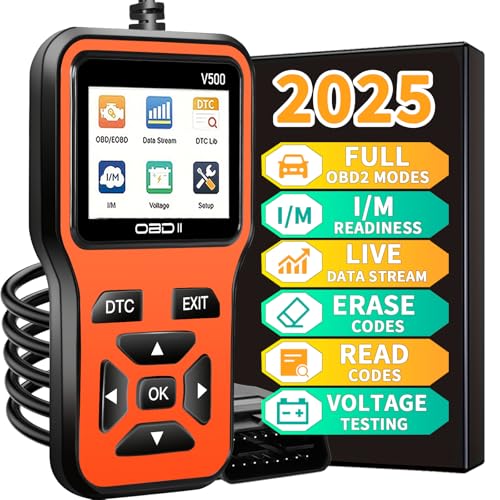
1.【Compatibility with 98% of Vehicle Models】Compatible with over 98% of sedans, trucks, and SUVs produced by American manufacturers since 1996, Japanese manufacturers since 2002, and European manufacturers since 2008. This OBD2 scan tool, also known as an automotive diagnostic tool for 1996+ vehicles and an engine trouble code reader, can quickly identify engine system trouble codes. You can easily troubleshoot the root cause of problems without the need for a professional technician, saving you high diagnostic fees at repair shops.
Immediate Steps to Take
- Check the Dashboard: Inspect for any other warning lights. If multiple lights are on, it could signify a broader electrical issue.
- Turn Off the Engine: Restarting the engine may reset the system, potentially turning off the airbag light. If it stays on, further action is needed.
- Secure Seatbelts: Ensure all occupants are wearing seatbelts properly. Sometimes, a faulty seatbelt sensor can trigger the airbag light.
- Conduct a Visual Inspection: Look for visible damage under your seats or on wiring. Loose connections can activate the airbag light.
- Refer to the Manual: Check your owner’s manual. It usually contains specific information related to dashboard warning lights.
When to Seek Professional Help
- Persistent Light: If the airbag light remains illuminated after rebooting, consult a professional. Ignoring it can lead to reduced safety.
- Signs of Impact: If your vehicle has been in a collision, have it inspected immediately, regardless of the airbag light status.
- Dashboard Indicators: If additional warning lights appear, this suggests more extensive electrical issues that need professional diagnostics.
- Feel Uncertain: If you’re unsure about the airbag system’s condition, it’s best to seek advice. Safety should always come first.
- Regular Maintenance: Schedule regular check-ups to ensure your airbag system functions correctly, even if the light hasn’t activated. Routine care prevents future issues.
Conclusion
Seeing the airbag light on your dashboard can be unsettling but understanding its significance is key. It’s your vehicle’s way of alerting you to potential issues that could impact your safety. By staying informed about the common reasons for the light’s activation and knowing how to respond, you can take proactive steps to ensure your car’s airbag system is functioning properly.
Remember to pay attention to other dashboard warnings and don’t hesitate to seek professional help if needed. Regular maintenance can go a long way in keeping you and your passengers safe on the road. Your safety is worth it, so don’t ignore that light!
Frequently Asked Questions
What does the airbag light on my dashboard mean?
The airbag light indicates a potential issue with your vehicle’s airbag system. When illuminated, it suggests that the system may not function properly in the event of a collision, which can put your safety at risk.
What are the common reasons for the airbag light to activate?
Common reasons include faulty impact sensors, electrical issues such as frayed wires or loose connections, and problems related to the seatbelt system. These issues can prevent the airbags from deploying during an accident.
What should I do if my airbag light comes on?
If your airbag light is on, check for other dashboard warning lights. Turn off the engine to reset the system, ensure seatbelts are fastened, visually inspect for damage, and consult your owner’s manual. If the light stays on, seek professional help.
When should I seek professional help for the airbag light?
You should consult a professional if the airbag light remains on after resetting the system, if your vehicle has been in a collision, or if additional warning lights appear. Timely attention can prevent safety risks.
How do airbags deploy during a collision?
Airbags deploy when impact sensors detect a collision. These sensors send a signal to the control module, which inflates the airbags rapidly to cushion and protect occupants, helping to reduce injuries during the crash.

Ben Wilkinson is a an experienced mechanic with over 10 years of experience in the automotive repair industry. He is highly skilled in diagnosing and repairing a wide range of car-related issues, from basic maintenance tasks to more complex repairs.