
Key Takeaways
- Flashing Airbag Light Indicates Issues: A flashing airbag light signals potential problems with your vehicle’s airbag system that require immediate attention for safety.
- Common Causes: The light can flash due to faulty sensors, disconnected wiring, a defective control module, or calibration issues after repairs.
- Importance of Diagnostics: Utilize diagnostic tools like an OBD-II scanner to identify specific fault codes, and perform visual inspections to check for loose connections or damaged parts.
- Professional Assistance Recommended: If the airbag light persists, or if major repairs are necessary, consult a qualified mechanic to ensure the airbag system is functioning correctly.
- Safety Risks of Ignoring the Light: Neglecting a flashing airbag light can put you and your passengers at risk, as the airbag may not deploy in an accident, leading to severe injuries.
- Cost Implications: Early attention to airbag warnings can prevent escalating repair costs, making regular maintenance and swift action essential for vehicle safety.
Have you ever noticed your airbag light flashing on your dashboard and wondered what it means? You’re not alone. Many drivers face this puzzling situation and it can be concerning. After all, the airbag is a key safety feature in your vehicle.
Understanding why that light’s flashing is crucial for your safety and peace of mind. This article will explain the potential reasons behind the warning and what steps you should take next. By the end, you’ll feel more confident about addressing the issue and ensuring your car is ready to protect you when it matters most.
Understanding Airbag Systems
Airbag systems play a crucial role in vehicle safety. These systems deploy during an accident to cushion and protect occupants. Understanding their components helps clarify why a flashing airbag light can signal a problem.
Key Components of Airbag Systems
- Airbags: These are the inflatable cushions found in steering wheels, dashboards, and sides of seats. They deploy when sensors detect a collision.
- Sensors: Various sensors monitor impacts and seatbelt use. They signal the airbag control module to activate the airbags.
- Control Module: This central unit processes data from sensors. It decides when to deploy the airbags and keeps track of the system’s status.
- Wiring and Connectors: These deliver power and data between components. Faulty connections can trigger warning lights.
Common Reasons for Flashing Airbag Lights
- Faulty Sensors: If a sensor malfunctions, it may incorrectly signal the control module, causing the airbag light to flash.
- Disconnected Wiring: Loose or damaged connections can disrupt communication within the airbag system, leading to warnings.
- Defective Control Module: A failure in this component may prevent airbags from deploying correctly, prompting the warning light.
- Calibration Issues: Following repairs or installations, the system may require recalibration to function correctly.
Steps to Address Flashing Airbag Lights
- Check for Fault Codes: Use an OBD-II scanner to identify specific fault codes. This provides insight into the problem.
- Inspect Wiring: Look for loose connections or visible damage. Secure any loose wires to restore functionality.
- Visit a Mechanic: If the issue persists, consult a professional. They can perform a detailed diagnosis using specialized equipment.
- Keep Records: Document any repairs or diagnostics performed. This information can help both you and your mechanic track the problem’s history.
Understanding airbag systems and their indicators keeps you informed about your vehicle’s safety. Keep an eye on that warning light. Addressing issues early ensures your airbag system is ready to protect you when it matters most.
Common Reasons for a Flashing Airbag Light
A flashing airbag light indicates potential issues with your vehicle’s safety systems. Here are common reasons why this warning light may activate:
Recommended Products

[Diagnose Like a Pro] BlueDriver Pro is a professional OBD2 scanner and diagnostic tool that helps you scan, understand, and clear vehicle trouble codes with confidence. Turn your phone into a powerful car diagnostic scanner—no guesswork, no unnecessary repairs.

【Reset ABS/SRS/Transmission/Engine Lights】 More than an check engine code reader, OBDMATE OM901 obd2 scanner performs comprehensive diagnostics for the 4 most-used systems (ABS/SRS/Engine/Transmission). It quickly clears fault codes, turns off warning lights, read data stream and auto VIN.

Understand Your Check Engine Light – The ANCEL AD410 OBD2 scanner helps everyday drivers quickly read and clear engine-related fault codes, view code definitions, and understand why the check engine light is on before visiting a repair shop. With 42,000+ built-in DTC lookups, this car code reader helps reduce guesswork and makes basic vehicle diagnostics easier for beginners and DIY users
Sensor Malfunction
Sensors detect the presence of passengers and ensure airbags deploy correctly. If a sensor malfunctions, it may trigger the airbag light. Issues may arise due to:
- Dirt or debris covering the sensor, obstructing proper function
- Electrical faults affecting sensor communication
- Wear and tear on parts over time
Inspect the sensors for dirt and ensure all connections are secure. If issues persist, visiting a mechanic for diagnostics is necessary.
Faulty Airbag Control Module
The airbag control module processes signals from sensors and directs the airbags accordingly. A faulty module can result in a flashing airbag light. Typical causes include:
- Corrosion on connections from exposure to moisture
- Software malfunctions due to outdated firmware
- Physical damage from accidents or impacts
Checking for error codes using a diagnostic tool can identify if the control module is at fault. Replacement or reprogramming might be necessary to resolve any module issues.
Implications of Ignoring a Flashing Airbag Light
Ignoring a flashing airbag light can lead to serious safety hazards and increased repair costs. Understanding the consequences is vital for maintaining your vehicle’s safety.
Recommended Products
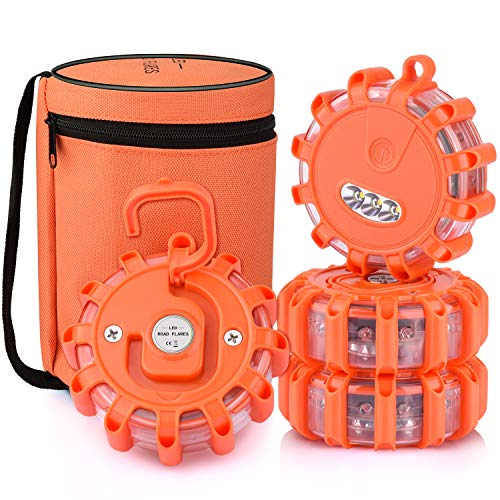
【4 Pack LED Road Flares】4 Pack LED Safety Lights are included in a convenient and premium storage bag, powered by 3 AAA batteries (Batteries Not Included). Protect yourself and your family in all emergency situations, simply activate each light with a single click.

Compatible with Multiple Models: Perfectly suitable for a wide range of vehicles including E36 and E46 series, such as Saloon, Coupe, Compact, Convertible, and Touring models. Please check the detailed application model before purchasing.

MATERIAL AND SIZE: ABS Environment Material; Specs: 3.75" X 3.75" X 1.75", 7 oz (W/Batteries); Packing of a Single Product; Easy to carry
Safety Concerns
Neglecting a flashing airbag light puts you and your passengers at risk. The airbag system may not deploy during a collision, increasing the likelihood of injury or fatality. Always take heed of this warning light. It’s a signal that the system needs attention, which could range from simple repairs to complex diagnostics. If you’re unsure about the light, prioritize an inspection. You rely on your airbag system. Ensuring its proper function keeps everyone safer on the road.
Potential Repair Costs
Potential repair costs can escalate if the issue remains unaddressed. Initial diagnostics may range from $75 to $150, depending on the shop’s rates. If you need to replace sensors or control modules, costs may fall between $200 to $1,000 or more. Delaying repairs can lead to additional, more serious problems, and you might face a pricier bill down the line. Tracking your vehicle’s maintenance schedule helps avoid unexpected expenses and keeps your airbag system functional. Always consider the total cost of ignoring the flashing light versus the expenses of addressing it right away.
How to Address a Flashing Airbag Light
A flashing airbag light indicates a potential issue with your vehicle’s airbag system. Taking prompt action can prevent further complications and ensure your safety.
Recommended Products

[Easy to Use—Work Out of the Box] + [FOXWELL 2026 New Version] FOXWELL NT604 Elite scan tool is the 2026 new version from FOXWELL, designed for car owners who want to figure out the cause of issues before fixing car problems by scanning common systems like ABS, SRS, engine, and transmission. The NT604 Elite obd2 scanner diagnostic tool comes with the latest software—no need to waste time downloading software first. Plug the scanner into the OBDII port with OBDII cable to start the diagnosis.

Know More Before You Repair: Read and clear codes for Engine, ABS, SRS/Airbag and Transmission systems on compatible vehicles, giving you a broader view of potential issues before making repair decisions

【WIDE VEHICLE COMPATIBILITY】 Full engine diagnostics support most 1996 and newer OBDII-compliant gasoline cars, SUVs, and light-duty trucks sold in the US. The 4-system diagnostics (Engine, Transmission, ABS, SRS) supports the 44+ brands listed above. Bluetooth 5.1 connection works with both iOS and Android devices for ultimate convenience.
Diagnostic Tools and Techniques
- OBD-II Scanner: Use an OBD-II scanner to retrieve error codes from your vehicle’s onboard diagnostic system. This tool can help identify specific issues related to the airbag system.
- Multimeter: Check the electrical current and resistance in the wiring and sensors with a multimeter. This helps diagnose possible electrical faults.
- Visual Inspection: Inspect the dashboard indicator, wires, and connections for any signs of damage or corrosion. Look for loose connections that may interrupt the airbag system’s functionality.
- Software Update: Check for any available updates for your vehicle’s airbag control module software. Manufacturers sometimes release updates addressing known issues.
When to Seek Professional Help
- Persistent Warning Light: If the airbag light stays on after addressing potential issues, consult a professional mechanic. They can conduct a comprehensive diagnosis.
- Major Repairs Required: If the diagnostic process reveals faulty sensors or control modules, professional assistance will likely be necessary for safe and effective replacement.
- Accident Involvement: If your vehicle has been in an accident, it’s vital to have the airbag system inspected even if the light isn’t flashing. Damage can compromise airbag effectiveness in future collisions.
- Safety Concerns: If you’re unsure about performing inspections or repairs, seek help. Professionals have the expertise and tools to ensure your airbag system functions properly, enhancing your safety on the road.
Conclusion
A flashing airbag light shouldn’t be taken lightly. It’s your vehicle’s way of signaling that something’s not right with the airbag system. Ignoring it could lead to serious safety risks and costly repairs down the road.
By understanding the potential causes and taking prompt action, you can ensure your car remains safe for you and your passengers. Regular inspections and addressing issues early can save you time and money. Remember to consult a professional if you’re unsure about the next steps. Keeping your airbag system in top shape is essential for your peace of mind on the road. Stay safe and drive smart!
Frequently Asked Questions
What does a flashing airbag light mean?
A flashing airbag light indicates a potential problem with your vehicle’s airbag system. This warning suggests that the airbags may not deploy in the event of a collision, which could compromise your safety. It’s important to have the issue diagnosed and resolved promptly.
What causes the airbag light to flash?
Common causes for a flashing airbag light include faulty sensors, disconnected wiring, defective airbag control modules, and calibration issues. Dirt, electrical faults, or wear and tear on sensors can also trigger the warning light, signaling the need for inspection.
How do I diagnose a flashing airbag light?
To diagnose a flashing airbag light, use an OBD-II scanner to retrieve error codes. Additionally, perform a visual inspection of sensors and wiring for damage or corrosion. If issues persist, consult a mechanic for a comprehensive diagnosis.
Can I drive my vehicle with a flashing airbag light?
Driving with a flashing airbag light is risky as it indicates potential failure of the airbag system during a collision. It’s recommended to address the issue immediately to ensure the safety of all passengers in the vehicle.
What are the repair costs associated with a flashing airbag light?
Initial diagnostics for a flashing airbag light typically range from $75 to $150. Repair or replacement of faulty components like sensors or control modules can cost over $1,000, especially if issues are left untreated and worsen over time.
When should I seek professional help for my airbag light?
You should seek professional help if the flashing airbag light persists after troubleshooting, if significant repairs are needed, or if your vehicle has been involved in an accident. A mechanic can provide a thorough diagnosis and necessary repairs.

Ben Wilkinson is a an experienced mechanic with over 10 years of experience in the automotive repair industry. He is highly skilled in diagnosing and repairing a wide range of car-related issues, from basic maintenance tasks to more complex repairs.