
Ever wondered why your OBD won’t connect to the ECU? It’s like trying to solve a puzzle with missing pieces. Picture this: you’re all set to diagnose your car’s issue, but the connection just won’t happen. Frustrating, right? Don’t worry, we’ve got your back!
Common Reasons for OBD Not Connecting to ECU
Common Reasons for OBD Not Connecting to ECU
When your OBD won’t connect to the ECU, it can be frustrating. Understanding the common reasons behind this issue can help you troubleshoot effectively and get back on track with diagnosing your car problems.
Faulty OBD Device:
- Ensure your OBD device is functioning correctly. A malfunctioning device can prevent a successful connection with the ECU.
Loose Connection:
- Check the connection between the OBD device and the vehicle’s port. A loose connection can lead to connection problems.
Low Voltage:
- Insufficient voltage levels in the vehicle can prevent the OBD device from communicating with the ECU properly.
Compatibility Issues:
- Verify that your OBD device is compatible with your vehicle’s make and model. Incompatibility can result in connection failures.
ECU Software Updates:
- Updates to the ECU software may sometimes disrupt the connection with the OBD device. Ensure both systems are updated and compatible.
Fuse Issues:
- A blown fuse related to the OBD system can cause connection issues. Check and replace any blown fuses as necessary.
- Damaged or faulty wiring between the OBD port and the ECU can interrupt data transmission. Inspect the wiring for any signs of damage.
Understanding these common reasons for OBD connectivity issues can empower you to tackle the problem efficiently and resume your diagnostic procedures without further delay.
Recommended Products

CEL Doctor: The ANCEL AD310 is one of the best-selling OBD II scanners on the market and is recommended by Scotty Kilmer, a YouTuber and auto mechanic. It can easily determine the cause of the check engine light coming on. After repairing the vehicle's problems, it can quickly read and clear diagnostic trouble codes of emission system, read live data & hard memory data, view freeze frame, I/M monitor readiness and collect vehicle information.

[Easy to Use—Work Out of the Box] + [FOXWELL 2026 New Version] FOXWELL NT604 Elite scan tool is the 2026 new version from FOXWELL, designed for car owners who want to figure out the cause of issues before fixing car problems by scanning common systems like ABS, SRS, engine, and transmission. The NT604 Elite obd2 scanner diagnostic tool comes with the latest software—no need to waste time downloading software first. Plug the scanner into the OBDII port with OBDII cable to start the diagnosis.
Troubleshooting Steps for OBD Connection Issues
If you’re facing issues with your OBD device connecting to the ECU, follow these troubleshooting steps to get things back on track:
Check Connections:
- Inspect the OBD device and ensure it’s properly plugged into the port.
- Verify if there are any loose connections or dirt hampering the connection.
Verify Power Supply:
- Make sure your vehicle’s battery has enough power.
- Check the fuse related to the OBD port for any issues.
Ensure Compatibility:
- Confirm that your OBD device is compatible with your car’s make and model.
- Double-check if the OBD software matches the ECU requirements.
Look for Error Codes:
- Scan for error codes using a compatible diagnostic tool.
- Troubleshoot any identified error codes systematically.
- If you’ve tried the above steps without success, consider seeking assistance from a mechanic.
Remember, staying attentive to these key areas can help you resolve OBD connection issues swiftly, allowing you to diagnose your car troubles efficiently.
Recommended Products

Multi-Functions - Practical Multi-Functions OBD2 code reader features built-in OBD2 DTC lookup library, which help you to determine the cause of the engine light, read code, erase code, view freeze frame, I/M ready, vehicle information, data flow, real-time curve, get vehicle speed information, calculate load value, engine coolant temperature, get engine speed.
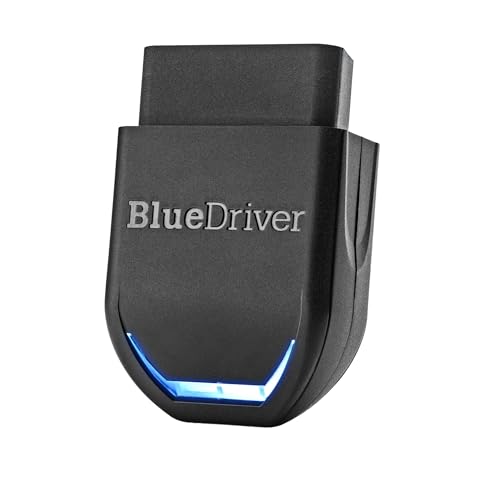
[Diagnose Like a Pro] BlueDriver Pro Next-Gen is a professional OBD2 scanner and diagnostic tool that helps you scan, understand, and clear vehicle trouble codes with confidence. Turn your phone into a powerful car diagnostic scanner—no guesswork, no unnecessary repairs.

【Read Fault Codes】About the read code funtion needs to be in the ignition on state and if the check engine light is on. If the vehicle is compatible with NT301, please select correct menu & ensure no hardware/wiring issues/obd2 interface damage for accurate results. The correct menu: Select OBDII-> Wait for seconds-> Select Read codes.
Importance of a Stable OBD-ECU Connection
An unstable connection between your OBD device and ECU can lead to inaccurate diagnostics. Without a stable connection, faulty readings may occur, making it challenging to identify potential issues with your vehicle.
A reliable OBD-ECU connection is vital for efficient data transfer. This connection allows the OBD device to communicate effectively with the ECU, providing real-time information about your car’s performance.
When facing connectivity issues, ensure that all pins within the OBD port are in good condition. Additionally, verify that there are no loose connections or corrosion affecting the data transfer between the OBD device and the ECU.
Establishing a stable OBD-ECU connection is crucial for accurate diagnostics and timely resolution of any vehicle-related problems. By maintaining this connection, you can effectively troubleshoot issues and keep your car running smoothly.
Remember, a stable OBD-ECU connection is the foundation for successful diagnostic processes and ensuring your vehicle’s optimal performance.
How to Prevent Future OBD-ECU Connection Problems
To ensure a reliable connection between your OBD and ECU, follow these practical tips:
- Regular Maintenance:
- Check OBD port pins for any signs of damage or bending.
- Avoid using force when plugging or unplugging the OBD connector.
- Clean Connections:
- Remove any dust, debris, or corrosion from the OBD connector and port.
- Use a gentle cleaning solution like isopropyl alcohol if needed.
- Secure Fittings:
- Ensure the OBD connector fits snugly into the port without any loose connections.
- Avoid any unnecessary movement that could dislodge the connection.
- Quality Cables:
- Invest in high-quality OBD cables to minimize wear and tear.
- Replace any damaged cables promptly to maintain a stable connection.
- Professional Inspection:
- If you encounter persistent connection issues, seek help from a qualified mechanic.
- They can diagnose and resolve any underlying problems affecting the OBD-ECU connection.
Maintaining a secure OBD-ECU connection is crucial for accurate diagnostic readings and efficient troubleshooting. By implementing these preventive measures, you can minimize the risk of future connection problems and ensure smooth data transmission between your OBD system and ECU.
Recommended Products

Turn your iPhone, Android device, or Windows PC into a professional grade diagnostic scan tool.

WIDE COMPATIBILITY – Trusted by YouTube Star Scotty Kilmer. The AD410 OBD2 Scanner supports all 16PIN vehicles that comply with the OBDII protocol, including KWP2000, ISO9141, J1850 VPW, J1850 PWM, and CAN. This OBD2 code scanner compatible with 1996 US-based, 2000 EU-based and Asian cars, light trucks, SUVs, as well as newer OBD2 and CAN vehicles. Multilingual support (English, German, French, Spanish, etc.), this car code reader is ideal for international users. Check compatibility with your vehicle model before purchasing. !!! Powered directly from your vehicle's OBDII connector, this diagnostic tool doesn' t need a battery or charger

Improved Bluetooth 4.0 Version with Unique Design: Stable connection and fast data transmitting;Low power consumption, won’t drain your car’s battery. Plug and play, fast scan and clear trouble codes, very easy to use, even a beginner can use this unit to read the error code.
Conclusion
Ensuring a reliable OBD-ECU connection is vital for effective diagnostics and troubleshooting. By following simple maintenance tips like checking for pin damage, using quality cables, and keeping connections clean, you can minimize the risk of future connection issues. Remember to handle the OBD port with care and seek professional help if problems persist. Taking proactive steps to maintain your OBD-ECU connection will help guarantee smooth data transmission and accurate results.
Frequently Asked Questions
1. Why is maintaining a secure OBD-ECU connection important?
Maintaining a secure OBD-ECU connection is crucial for accurate diagnostics and efficient troubleshooting. It ensures smooth data transmission for effective communication between the onboard diagnostics (OBD) system and the engine control unit (ECU), enabling proper vehicle performance monitoring and identification of issues.
2. What are practical tips to prevent OBD-ECU connection problems?
Check for damage or bending in the OBD port pins, avoid forcing when plugging/unplugging, and clean connections to remove dust, debris, or corrosion. Ensure secure fittings, use quality OBD cables, and seek professional inspection if persistent connection issues occur for proactive maintenance.
3. How can these preventive measures help minimize future connection problems?
Implementing these preventive measures helps reduce the risk of future OBD-ECU connection issues by maintaining connection integrity, preventing signal interference, and ensuring reliable data transmission. It also promotes longevity of OBD-ECU components and enhances diagnostic accuracy.

Ben Wilkinson is a an experienced mechanic with over 10 years of experience in the automotive repair industry. He is highly skilled in diagnosing and repairing a wide range of car-related issues, from basic maintenance tasks to more complex repairs.