
Key Takeaways
- Understanding the airbag system is crucial, encompassing components like airbags, sensors, control modules, and wiring that work together for safety.
- Common reasons for the airbag light illumination include faulty sensors, control module issues, loose connections, and defective airbags that require immediate attention.
- Diagnostic steps involve checking for loose connections, using an OBD-II scanner to retrieve trouble codes, and inspecting sensors for damage or wear.
- DIY fixes such as resetting the airbag light and inspecting wiring connections can resolve minor issues before seeking professional help.
- Persistent airbag light issues should prompt consultation with a certified technician to ensure safety and identify underlying problems effectively.
- Timely addressing of airbag light warnings is vital for maintaining vehicle safety and protecting occupants in the event of an accident.
Have you ever been driving and noticed that pesky airbag light glowing on your dashboard? It’s a common frustration for many drivers. Ignoring it isn’t an option, as it signals a potential issue with your vehicle’s safety system.
Understanding The Airbag System
The airbag system plays a crucial role in your vehicle’s safety. It consists of various components that work together to deploy airbags in the event of a collision.
Key Components of the Airbag System
- Airbags: These are the actual bags that inflate during a crash to protect occupants.
- Sensors: They detect impacts and send signals to deploy the airbags.
- Control Module: This unit processes information from the sensors and determines if deployment is necessary.
- Wiring: This connects all components, ensuring communication between sensors, the control module, and airbags.
Common Reasons for Airbag Light Illumination
- Faulty Sensors: Malfunctioning or damaged sensors can cause the light to turn on.
- Control Module Issues: If the control module has faults, it may not process signals correctly.
- Loose Connections: Poor wiring connections can interrupt signals, triggering the airbag light.
- Defective Airbags: If an airbag itself is damaged or defective, it may set off the warning light.
Diagnosing Airbag Light Problems
- Check for Loose Connections: Inspect wiring and connections throughout your airbag system.
- Use Diagnostic Tools: A code reader can help identify specific error codes linked to the airbag light.
- Examine Sensors: Look for signs of damage or wear on airbag sensors.
- Consult a Professional: A certified technician can provide a thorough diagnosis.
Awareness of the airbag system’s elements and common issues helps address problems quickly. Regular maintenance and prompt attention to warning lights can significantly enhance your vehicle’s safety.
Common Causes Of The Airbag Light
The airbag light on your dashboard can signal various issues. Understanding these common causes helps diagnose and resolve the problem efficiently.
Faulty Sensors
Faulty sensors often trigger the airbag light. These sensors monitor the vehicle’s crash conditions and can fail due to exposure to moisture or physical damage. For example, if a front-end collision occurs, the impact might damage the sensor, causing it to malfunction. If you suspect a faulty sensor, consider checking all airbags and side-impact sensors using a diagnostic tool.
Disconnected Wires
Disconnected wires can also lead to the airbag light illuminating. Loose or broken connections often occur during maintenance or repairs, particularly in the steering column or underneath seats. Inspect wiring harnesses for damaged connectors or exposed wires. Ensuring a secure connection can often resolve the issue without further intervention.
Battery Issues
Battery issues can cause your airbag light to activate. For instance, if the battery voltage drops significantly, it can disrupt the airbag system’s operation. Check your battery for corrosion or loose connections. A simple battery test can determine if it’s providing consistent power.
If you’re experiencing any of these problems, addressing them promptly can improve your vehicle’s safety.
Diagnostic Steps To Take
Follow these diagnostic steps to help identify and resolve the issue of the airbag light illuminating on your dashboard. This structured approach ensures appropriate action to enhance your vehicle’s safety.
Recommended Products

[Easy to Use—Work Out of the Box] + [FOXWELL 2026 New Version] FOXWELL NT604 Elite scan tool is the 2026 new version from FOXWELL, designed for car owners who want to figure out the cause of issues before fixing car problems by scanning common systems like ABS, SRS, engine, and transmission. The NT604 Elite obd2 scanner diagnostic tool comes with the latest software—no need to waste time downloading software first. Plug the scanner into the OBDII port with OBDII cable to start the diagnosis.

[Diagnose Like a Pro] BlueDriver Pro is a professional OBD2 scanner and diagnostic tool that helps you scan, understand, and clear vehicle trouble codes with confidence. Turn your phone into a powerful car diagnostic scanner—no guesswork, no unnecessary repairs.

【Reset ABS/SRS/Transmission/Engine Lights】 More than an check engine code reader, OBDMATE OM901 obd2 scanner performs comprehensive diagnostics for the 4 most-used systems (ABS/SRS/Engine/Transmission). It quickly clears fault codes, turns off warning lights, read data stream and auto VIN.
Checking The Dashboard
Inspect the dashboard for warning lights. Pay attention to the airbag light’s behavior. If the light flashes or stays on continuously, it signifies an issue. Look for any related alerts, like seatbelt warnings. Ignoring these signals can compromise safety. Collect information on all dashboard warnings before proceeding to ensure a comprehensive assessment.
Using An OBD-II Scanner
Utilize an OBD-II scanner to retrieve diagnostic trouble codes (DTCs). Connect the scanner to your vehicle’s OBD-II port, usually located under the dashboard. Turn on the engine without starting it. The scanner displays codes indicating the source of the problem. Research these DTCs online or in your vehicle’s manual for clarity. Addressing these codes promptly helps pinpoint the airbag system’s issue, making troubleshooting more effective.
DIY Fixes For The Airbag Light
When the airbag light comes on, you can try some DIY solutions before seeking professional help. Here are a couple of effective methods to tackle this issue.
Recommended Products

Troubleshoot Malfunctions: This SRS airbag reset tool simulates airbag load to quickly turn off the SRS warning light on the dashboard. It effectively fixes errors caused by airbag removal, replacement and modification, and restores the normal operation of the vehicle's electronic control system

Compatible with Multiple Models: Perfectly suitable for a wide range of vehicles including E36 and E46 series, such as Saloon, Coupe, Compact, Convertible, and Touring models. Please check the detailed application model before purchasing.
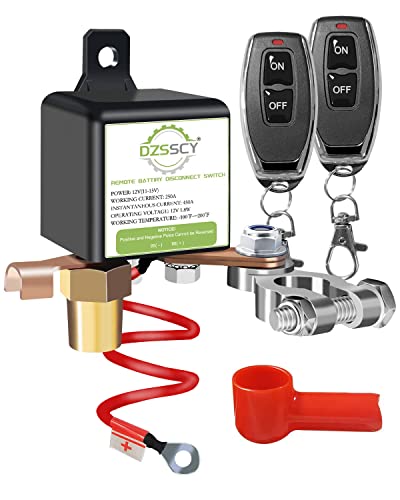
Ultimate Protection: The remote battery disconnect switch easily solves the problem of battery drain but also protects the circuit, No matter how long your car is parked, The battery always has a full charge. The battery is via the remote switch, which also reduces the risk of theft occurs.
Resetting The Airbag Light
Resetting the airbag light can resolve minor glitches. Follow these steps:
- Turn Off the Vehicle: Ensure your ignition is off before starting the process.
- Disconnect the Battery: Remove the negative battery cable and wait for at least 10 minutes. This allows stored electricity to dissipate.
- Reconnect the Battery: Reattach the negative cable securely to restart the system.
- Turn On the Ignition: Start the vehicle and check if the airbag light remains off. If it’s still on, further investigation is necessary.
Inspecting Wiring Connections
Loose or damaged wiring connections often trigger the airbag light. Here’s how to inspect them:
- Look Under the Dashboard: Focus on the area beneath the steering wheel and around the airbag module.
- Examine the Wires: Check for any frayed wires, disconnected plugs, or visible damage. Pay special attention to areas prone to moisture or wear.
- Secure Loose Connections: If you find any loose or corroded connections, reconnect or clean them using electrical contact cleaner.
- Test Drive: After securing the connections, take your vehicle for a short drive. Monitor the airbag light status to see if it stays off.
By following these steps, you can address the airbag light issue effectively. If the light remains on after trying these fixes, consulting a professional technician is advisable for further diagnostics.
When To Seek Professional Help
If the airbag light persists after your DIY efforts, consult a professional technician immediately. Ignoring the warning light could compromise your vehicle’s safety.
Recommended Products

CEL Doctor: The ANCEL AD310 is one of the best-selling OBD II scanners on the market and is recommended by Scotty Kilmer, a YouTuber and auto mechanic. It can easily determine the cause of the check engine light coming on. After repairing the vehicle's problems, it can quickly read and clear diagnostic trouble codes of emission system, read live data & hard memory data, view freeze frame, I/M monitor readiness and collect vehicle information

Understand Your Check Engine Light – The ANCEL AD410 OBD2 scanner helps everyday drivers quickly read and clear engine-related fault codes, view code definitions, and understand why the check engine light is on before visiting a repair shop. With 42,000+ built-in DTC lookups, this car code reader helps reduce guesswork and makes basic vehicle diagnostics easier for beginners and DIY users

【Diagnose Check Engine Light in Seconds – No Mechanic Needed】The FOXWELL NT301 OBD2 scanner instantly reads & clears engine fault codes (DTCs) with one click. Simply plug into the 16-pin DLC port, turn ignition on, and get accurate results within seconds—No prior car knowledge required. Save hundreds on dealership fees by knowing exactly what’s wrong before you visit a shop. The #1 choice car scanner for DIYers and car owners who want to take control of their vehicle’s health
Signs You Need Professional Assistance
- Persistent Warning Lights: If the airbag light remains on after restarting the vehicle, it often indicates an underlying issue.
- Inconsistent Behavior: When you notice the light flashing or behaving unpredictably, seek professional evaluation.
- Unusual Airbag Functionality: If airbags deploy unexpectedly or not at all during tests, a technician must inspect the system.
Steps to Take
- Document Symptoms: Note any additional warning lights, strange noises, or inconsistencies. This information is valuable for technicians.
- Visit a Certified Mechanic: Look for professionals who specialize in automotive safety systems. They have the tools and expertise necessary for diagnosis.
- Request a Comprehensive Inspection: Ensure that technicians check all aspects of the airbag system. This includes sensors, wiring, and the control module.
Diagnostic Tools and Techniques
Technicians use specialized equipment to read trouble codes from your vehicle’s computer. This process identifies specific issues, saving time and reducing costs for repairs.
Cost Considerations
Costs for professional diagnostics can range from $50 to $150. Repairs vary significantly based on the issue—ranging from wiring fixes to control module replacements, which can exceed $1,000. Being aware of potential costs helps you prepare before your visit.
Importance of Addressing Issues Promptly
Timely resolution of airbag light warnings helps maintain overall vehicle safety. You protect yourself and your passengers by addressing these issues without delay.
Conclusion
Addressing the airbag light issue is essential for your safety and peace of mind. By following the steps outlined in this article you can troubleshoot potential problems and take the necessary actions to resolve them. Whether you choose to tackle some DIY fixes or consult a professional it’s important to stay proactive.
Don’t ignore that warning light. Keeping your airbag system in top shape ensures that you and your passengers are protected on the road. Remember that a little attention now can prevent bigger issues later. Stay safe and drive confidently knowing your vehicle is ready for anything.
Frequently Asked Questions
What does it mean if the airbag light is on?
The airbag light on your dashboard indicates that there is a problem with your vehicle’s safety system. This could be due to faulty sensors, wiring issues, or defective airbags. It’s crucial not to ignore this warning, as it impacts your safety and that of your passengers.
How can I diagnose the airbag light issue?
To diagnose the airbag light, start by checking for loose connections and inspecting the dashboard for any related warning lights. Using an OBD-II scanner can help you retrieve diagnostic trouble codes (DTCs) that pinpoint the problem’s source.
Can I reset the airbag light myself?
Yes, you can attempt to reset the airbag light by disconnecting the vehicle’s battery for a few minutes and then reconnecting it. However, this may not fix underlying issues, so if the light persists, professional help is recommended.
When should I seek professional help for an airbag light issue?
You should seek professional help if the airbag light remains on after DIY resets, or if you notice inconsistent warning lights and unusual airbag performance. Documenting these symptoms can assist the technician in diagnosing the problem accurately.
What are common causes of the airbag light illumination?
Common causes for the airbag light illumination include faulty sensors, control module malfunctions, loose wiring connections, and defective airbags. Addressing these issues promptly is crucial for ensuring your vehicle’s safety system functions correctly.

Ben Wilkinson is a an experienced mechanic with over 10 years of experience in the automotive repair industry. He is highly skilled in diagnosing and repairing a wide range of car-related issues, from basic maintenance tasks to more complex repairs.