
Key Takeaways
- Importance of Airbags: Airbags significantly enhance vehicle safety by cushioning impacts during accidents, and understanding their function is critical for maintaining safety after a collision.
- Risks of a Deployed Airbag: Driving with a deployed or damaged airbag poses serious safety hazards, including the potential for injuries in subsequent accidents and unexpected deployments.
- Necessary Situations for Disabling: Disable the airbag if it has deployed, if the vehicle has sustained significant damage, or if transporting the vehicle without use, ensuring ongoing safety.
- Step-by-Step Disabling Process: Follow precise guidelines to disable the airbag, including disconnecting the battery, removing the airbag fuse, and securely handling the airbag connectors.
- Legal and Insurance Considerations: Be aware of legal implications and insurance requirements regarding airbag functionality to avoid claims denial and legal issues.
- Consulting Professionals: If unsure about the disabling process, seek assistance from certified mechanics to ensure proper handling and adherence to safety standards.
Have you ever been in a car accident and wondered what to do next? After the shock wears off, one important step is ensuring your vehicle is safe to drive again. Disabling the airbag might be necessary, especially if it’s been deployed or damaged.
Understanding Airbags and Their Importance
Airbags play a crucial role in vehicle safety. They help protect you in the event of a crash by reducing the risk of serious injury. When an accident occurs, sensors detect sudden changes in speed and deploy airbags to cushion your impact with hard surfaces like the steering wheel and dashboard.
Different types of airbags exist, including front airbags, side airbags, and curtain airbags. Front airbags deploy in frontal collisions, while side airbags protect against side impacts. Curtain airbags help shield passengers from injuries during rollovers.
After an accident, if an airbag deploys, it’s essential to address any damage immediately. A deployed or damaged airbag can result in further risks. It may not function properly in another collision, compromising safety.
To ensure you’re driving a safe vehicle, know that disabling a deployed airbag is necessary. Follow the manufacturer’s instructions for your specific vehicle, as methods vary. Always consult your owner’s manual or a professional mechanic for assistance with the disabling process.
Understanding how airbags function and their significance can enhance your awareness of vehicle safety measures, ensuring you take the right steps when dealing with an accident.
Reasons to Disable Airbag After an Accident
Disabling the airbag post-accident is essential for ongoing safety. It prevents potential risks associated with a deployed or damaged system.
Recommended Products

Product Type :Auto Accessory

Compatible with Multiple Models: Perfectly suitable for a wide range of vehicles including E36 and E46 series, such as Saloon, Coupe, Compact, Convertible, and Touring models. Please check the detailed application model before purchasing.
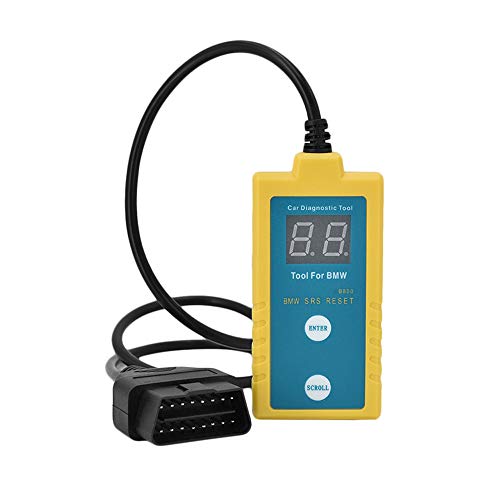
✔️【Professional SRS Reset for 1994-2003 BMW】 Designed specifically for classic BMW models (1994-2003). This B800 scanner reads & clears SRS airbag fault codes, turns off the warning light, and saves you a costly dealer visit. Confirmed compatible with: E36, E46 (EXCEPT 2001 330i), E34, E38, E39, Z3, and X5 (E53). NOT compatible with any BMW built before 1994 or after 2003.
Potential Risks
Potential risks arise when an airbag deploys or gets damaged. If you drive with a non-functioning airbag, you expose yourself to injury during subsequent accidents. A deployed airbag can cause physical harm, especially if it remains in the vehicle without proper handling. Additionally, the airbag system may malfunction, leading to unexpected deployment, which could pose serious safety hazards. You should prioritize addressing these concerns promptly.
Situations Where Disabling is Necessary
Disabling the airbag is necessary in various situations. If the airbag deployed during the initial accident, disabling it ensures your safety. If your vehicle sustained significant damage that affects the airbag sensors, you need to turn it off until repairs occur. In cases where you plan to transport the vehicle without using it, such as towing, disabling the airbag eliminates unnecessary risks. Always follow the manufacturer’s guidelines for disabling the airbag correctly, and consult a professional mechanic when uncertain about the process.
Step-by-Step Guide on How to Disable Airbag After Accident
Disabling an airbag after an accident is crucial for safety if it has deployed or been damaged. Follow these structured guidelines for a straightforward process.
Recommended Products

[Easy to Use—Work Out of the Box] + [FOXWELL 2026 New Version] FOXWELL NT604 Elite scan tool is the 2026 new version from FOXWELL, designed for car owners who want to figure out the cause of issues before fixing car problems by scanning common systems like ABS, SRS, engine, and transmission. The NT604 Elite obd2 scanner diagnostic tool comes with the latest software—no need to waste time downloading software first. Plug the scanner into the OBDII port with OBDII cable to start the diagnosis.

OBD2 SCANNER & BATTERY TESTER IN ONE – The INNOVA 5210 OBD2 scanner not only reads and clears check engine light and ABS codes (coverage may vary) but also functions as a car battery tester to check alternator health and prevent unexpected breakdowns.

😀【Why Choose NT604 Over Basic Code Readers?】The NT604 incorporates all features found in FOXWELL NT201/NT301 and other basic code readers on the market. Beyond their standard 10 OBDII functions, ✅it adds deep diagnostics for the 4 most critical systems: ABS, SRS, Engine, and Transmission. ✅After automatic VIN identification, NT604 thoroughly checks potential faults one by one with a single scan, then presents consolidated results.✅ It also generates diagnostic reports you can take directly to repair shops, saving inspection fees and labor costs.
Tools Required
- Screwdriver: Choose a suitable size for your vehicle’s fasteners.
- Wrench Set: Essential for removing any bolts.
- Multimeter: Use this for electrical testing of the airbag system.
- Work Gloves: Protect your hands during the process.
- Safety Goggles: Shield your eyes from potential debris.
Safety Precautions
- Disconnect the Battery: Always disconnect the negative battery terminal first to prevent accidental airbag deployment.
- Wait: Allow at least 10 minutes for the system to discharge fully after disconnecting the battery.
- Work in a Ventilated Area: Ensure proper airflow to avoid inhaling any fumes.
- Avoid Static Electricity: Ground yourself by touching a metal object to prevent static discharge that could trigger the airbag.
- Follow Manufacturer Guidelines: Refer to your vehicle’s manual for specific safety measures and instructions.
Disabling the Airbag
- Prepare the Vehicle: Park the vehicle on a flat surface and ensure it’s turned off.
- Remove the Airbag Fuse: Locate the fuse box and identify the airbag fuse. Use a fuse puller if needed.
- Access the Airbag Module: Depending on your vehicle, this may involve removing screws or bolts on the steering wheel or dashboard.
- Disconnect Airbag Connectors: Carefully detach the airbag connectors from the module. Use caution to avoid damage.
- Test the System: Use a multimeter to check for continuity, ensuring no current flows through the airbag system.
- Secure Components: Replace any panels or covers removed during the process. Ensure everything is tightened and secure.
- Reconnect the Battery: Reattach the negative terminal. Check for any warning lights on the dashboard.
Using these steps helps ensure your vehicle remains safe and functional after an accident. Follow these guidelines closely and consult a professional if uncertain during any stage of the process.
Legal and Safety Considerations
Understanding the legal and safety implications of disabling an airbag after an accident is crucial. Ignoring these factors can lead to serious consequences.
Recommended Products

Universal Compatibility: This airbag bypass resistor kit serves as a versatile SRS airbag reset tool, designed to work with most car models for diagnosing inflatable crash protector systems efficiently

CEL Doctor: The ANCEL AD310 is one of the best-selling OBD II scanners on the market and is recommended by Scotty Kilmer, a YouTuber and auto mechanic. It can easily determine the cause of the check engine light coming on. After repairing the vehicle's problems, it can quickly read and clear diagnostic trouble codes of emission system, read live data & hard memory data, view freeze frame, I/M monitor readiness and collect vehicle information.

The only official protective EVA bag for ANCEL AD310, AD410, AD530, VD500, VD700, HD601, JP700, BD310 FX2000 FX3000 OBD2 scanner and BST200, BA101, BM200 PRO battery tester. (Scanner and accessories in the photos are not included).
Legal Implications
- Insurance Compliance: Check your insurance policy’s requirements. Some insurers may mandate that airbags function properly for coverage. Disabling an airbag without following procedures could result in claims denial.
- State Laws: Review local regulations regarding airbag modifications. Certain states have specific laws governing airbag systems that may affect your actions. Ensure compliance to avoid legal issues.
- Documentation: Keep records of any work done on the airbag system. Documenting repairs or modifications provides protection should legal questions arise later.
Safety Considerations
- Reinstallation: If you disable the airbag, plan for its reinstallation or replacement. Driving without sufficient airbag protection increases risk during future accidents.
- Professional Help: If uncertain, consult a certified mechanic. Professional assistance ensures proper disabling, maintaining safety standards effectively.
- System Checks: Always test the airbag system post-repair or after accidental disablement. Ensuring functionality before driving is crucial for occupant safety.
By prioritizing these legal and safety considerations, you protect not just your vehicle’s integrity but also your well-being and that of others on the road.
Conclusion
Taking the right steps after an accident is crucial for your safety and that of others. Disabling the airbag when necessary helps prevent potential risks and ensures your vehicle is safe to drive again. Always remember to follow the manufacturer’s guidelines and consult a professional if you’re unsure about any part of the process.
Staying informed about the legal and safety aspects of airbag modifications can protect you down the road. Prioritizing these actions not only keeps your vehicle in good shape but also gives you peace of mind as you get back on the road. Stay safe and drive with confidence.
Frequently Asked Questions
What should I do immediately after a car accident?
After a car accident, ensure everyone is safe and call emergency services if needed. Move to a secure location if possible, check for injuries, and document the scene by taking photos. Exchange information with other drivers involved and file a police report.
Why is it important to disable an airbag after an accident?
Disabling an airbag after an accident is crucial to prevent risks such as unintended deployment and injury in future accidents. A deployed or damaged airbag can fail to protect occupants effectively, posing a safety hazard.
How do I know if my airbag needs to be disabled?
You should disable the airbag if it has been deployed, if there’s significant damage affecting the airbag sensors, or if you are transporting the vehicle. Consulting your vehicle owner’s manual for specific guidance is advisable.
What safety measures should I take when disabling an airbag?
When disabling an airbag, ensure to disconnect the battery, work in a well-ventilated area, and avoid static electricity. Allow the system to discharge fully before proceeding with any disconnections to ensure your safety.
Can I disable the airbag myself or should I consult a professional?
While you can disable an airbag yourself by following proper guidelines, it is highly recommended to consult a certified mechanic if you are uncertain. This ensures that the process is done correctly and safely.
What tools do I need to disable an airbag?
You typically need basic tools such as a ratchet set, screwdrivers, and safety glasses. It’s essential to have access to your vehicle’s service manual for specific instructions and any additional special tools required.
What are the legal considerations of disabling an airbag?
Legal considerations include understanding state laws related to airbag modifications, ensuring compliance with insurance requirements, and documenting any work done. This protects you in case of future liability issues regarding airbag functionality.
Should I replace the airbag after it has been deployed?
Yes, it’s crucial to replace the airbag after it has deployed to maintain the safety of the vehicle. A functional airbag system is vital for the protection of occupants in the event of another accident.
How can I test the airbag system after repairs?
To test the airbag system after repairs, connect the battery and use an OBD-II scanner to check for error codes. The airbag warning light should turn off if the system is functioning correctly. If issues persist, consult a mechanic.
What types of airbags are there and how do they function?
There are several types of airbags, including front, side, and curtain airbags. Front airbags protect occupants in head-on collisions by deploying from the steering wheel or dashboard, while side and curtain airbags offer protection during side-impact crashes.

Ben Wilkinson is a an experienced mechanic with over 10 years of experience in the automotive repair industry. He is highly skilled in diagnosing and repairing a wide range of car-related issues, from basic maintenance tasks to more complex repairs.