
Do you ever wonder how often you should replace your spark plug wires to keep your car running smoothly? Picture this: You’re cruising down the highway, and suddenly, your engine starts sputtering. Could worn-out spark plug wires be the culprit? In this article, we’ll explore the importance of regular maintenance when it comes to your vehicle’s ignition system.
Key Takeaways
- Regularly replacing spark plug wires is crucial for maintaining your vehicle’s ignition system and ensuring optimal performance.
- Manufacturers typically recommend changing spark plug wires every 60,000 to 100,000 miles, but specific guidelines may vary based on your car model.
- Factors such as driving conditions, material quality, and maintenance habits can influence the wear and tear of spark plug wires.
- Inspecting spark plug wires visually for damage or testing them with a multimeter can help identify when replacement is necessary.
- Choosing the right spark plug wires tailored to your vehicle’s specifications and following a systematic approach to replacement can help maintain an efficient ignition system.
Understanding Spark Plug Wires
Spark plug wires play a crucial role in ensuring your vehicle’s ignition system functions smoothly. Let’s delve into their significance and how to identify signs of wear and tear.
Role in Vehicle Operation
Spark plug wires are essential components that deliver high-voltage electricity from the ignition coil to the spark plugs. This electric current ignites the air-fuel mixture in the engine cylinders, powering your vehicle’s movement. Without these wires, the spark plugs wouldn’t receive the necessary electrical charge, leading to misfires, rough idling, or even failure to start.
Signs of Wear and Tear
Over time, spark plug wires can deteriorate due to heat exposure, vibration, and general wear. Common indicators of worn-out spark plug wires include engine misfires, rough acceleration, decreased fuel efficiency, and difficulty starting the vehicle. Additionally, visible damage such as cracks or exposed wire indicates a need for immediate replacement.
By understanding the critical role of spark plug wires in your car’s operation and recognizing signs of wear and tear, you can proactively maintain your vehicle’s ignition system for optimal performance.
How Often Should Spark Plug Wires Be Changed
Regular maintenance of your vehicle’s ignition system is crucial, and one key component that needs attention is the spark plug wires. To ensure your engine runs smoothly, you must know when to replace these wires.
Recommended Products

Wire conductor, wire length, and diameter help provide maximum spark delivery and protection
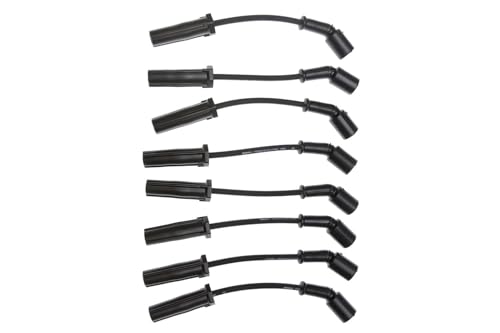
Wire conductor, wire length, and diameter help provide maximum spark delivery and protection
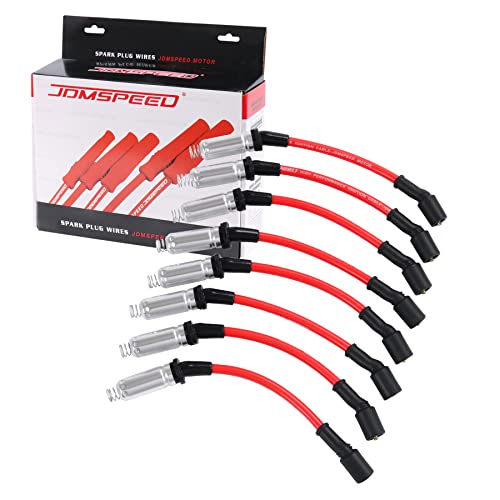
100% New Construction
Manufacturer’s Recommendations
Manufacturers typically recommend changing spark plug wires every 60,000 to 100,000 miles. However, it’s essential to check your vehicle’s manual for specific guidelines as recommendations can vary between car models.
Factors That Influence Wear
Several factors can influence the wear and tear of spark plug wires:
- Driving Conditions: If you frequently drive in stop-and-go traffic or harsh weather conditions, your spark plug wires may degrade faster.
- Quality of Materials: Higher quality materials in spark plug wires can increase their lifespan compared to lower-quality alternatives.
- Maintenance Habits: Regularly inspecting and maintaining your ignition system can help prolong the life of your spark plug wires.
By understanding these factors and following manufacturer recommendations, you can ensure timely replacement of your spark plug wires for optimal engine performance.
Steps to Inspect Spark Plug Wires
Inspecting your spark plug wires regularly is crucial for maintaining your vehicle’s ignition system. Here are the steps you can follow to ensure your spark plug wires are in good condition:
Recommended Products

CTA Tools 3238 Spark Plug Gap Gauge - 9-Wire is designed to accurately measure spark plug gaps. The sizes range from 0.025, 0.030, 0.035, 0.040, 0.044, 0.045, .0.050, 0.055 and 0.060-inches. Heavy-duty construction allows for strength and durability. California Prop 65 - Warning, This product contains chemicals known to the State of California to cause cancer, birth defects or other reproductive harm.

【Material】- Made of high-carbon steel and have been heat treated to improve strength and durability. The surface has been polished.

Wide range of professional automotive specialy tools
Visual Inspection
Examine the spark plug wires for any visible signs of damage or wear. Look for cracks, burns, abrasions, or areas where the insulation is worn off. Pay attention to any corrosion on the terminals as well. If you notice any of these issues, it’s time to replace your spark plug wires.
Testing With a Multimeter
Using a multimeter can help you check the resistance of your spark plug wires. Set the multimeter to measure resistance and connect one lead to each end of the wire. A healthy wire will typically have a resistance between 10,000 and 15,000 ohms per foot. If the reading is significantly higher or lower, it may indicate a problem with the wire.
By following these simple steps to inspect your spark plug wires visually and test them with a multimeter, you can ensure that your vehicle’s ignition system functions smoothly and efficiently. Regular maintenance like this can help prevent issues such as engine misfires and poor fuel efficiency, keeping your car running at its best.
Changing Your Spark Plug Wires
When it comes to maintaining your vehicle’s ignition system, changing your spark plug wires is crucial for optimal performance. Here’s how you can ensure your car runs smoothly by knowing when and how to replace these essential components.
Recommended Products
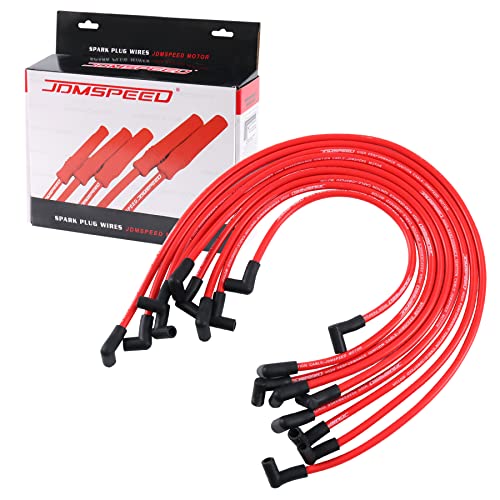
Wire Lengths: 1x 45.9 inches, 1x 40.7 inches, 1x 38.4 inches, 1x 36 inches, 1x 28.7 inches, 1x 20.1 inches, 3x 31.4 inches

[Spark Plug Separators]: Wire Separators Plug Wire 7mm 8mm ABS Plastic Black Set

New 24-inch Coil to Spark Plug Wire for Kohler K-Series 238057-S Brand new wire replacement cord for coil to spark plug. Silicone insulation and high heat resistance
Choosing the Right Wires for Your Vehicle
To select the appropriate spark plug wires for your vehicle, consider factors such as the make and model of your car, its engine specifications, and any specific requirements from the manufacturer. Different vehicles may require wires with varying resistances or lengths to function correctly. Consulting your car’s manual or seeking advice from a professional can help you choose the right spark plug wires tailored to your vehicle’s needs.
DIY Replacement Process
If you’re looking to replace your spark plug wires yourself, here are some basic steps to guide you through the process:
- Prepare: Ensure that your engine is cool before starting. Gather necessary tools like new spark plug wires, a socket wrench set, and wire markers (if needed).
- Locate Spark Plug Wires: Identify where the existing spark plug wires are connected in your engine bay. They typically run from the distributor cap to each spark plug.
- Remove Old Wires: Carefully disconnect one wire at a time from both ends – the distributor cap and the corresponding spark plug – to avoid mixing up their order.
- Replace with New Wires: Install new spark plug wires following the same routing as the old ones. Make sure they are securely attached at both ends.
- Test Ignition System: Once all new wires are in place, start your car and check for any signs of misfiring or rough idling that could indicate improper installation.
By understanding how to choose suitable spark plug wires for your vehicle and following a systematic approach to replacement, you can maintain an efficient ignition system that promotes smooth engine operation and fuel efficiency.
Conclusion
Ensuring your vehicle’s ignition system is in top shape is crucial for its performance. By understanding the importance of spark plug wires and knowing when to replace them, you can maintain a smooth-running engine. Remember, regular maintenance and timely replacements based on your vehicle’s specifications will keep your ignition system efficient. Following the DIY steps mentioned in this article can help you tackle changing spark plug wires confidently. By investing time in this aspect of maintenance, you’ll not only ensure optimal engine operation but also improve fuel efficiency. Stay proactive with your vehicle’s upkeep to enjoy hassle-free driving experiences.
Frequently Asked Questions
What are spark plug wires, and why are they important for a vehicle’s ignition system?
Spark plug wires deliver high-voltage electricity to ignite the air-fuel mixture in the engine cylinders, essential for engine operation.
How often should spark plug wires be replaced?
It is recommended to replace spark plug wires every 30,000 to 60,000 miles or as per the manufacturer’s guidelines to ensure optimal performance.
What signs indicate that spark plug wires need replacement?
Common signs of worn-out spark plug wires include misfiring, rough idling, poor acceleration, decreased fuel efficiency, and difficulty starting the engine.
How do you change spark plug wires on a vehicle?
To change spark plug wires, prepare by gathering necessary tools. Remove old wires one at a time and install new ones according to the vehicle’s specifications. Test the ignition system after installation.

Ben Wilkinson is a an experienced mechanic with over 10 years of experience in the automotive repair industry. He is highly skilled in diagnosing and repairing a wide range of car-related issues, from basic maintenance tasks to more complex repairs.