
Key Takeaways
- Cost Overview: Airbag suspension kits range from $500 to $3,000, with installation fees between $300 and $800, depending on vehicle type and complexity.
- Vehicle Compatibility: Different vehicles require specific airbag systems, influencing overall costs; heavy-duty trucks typically incur higher expenses than compact cars.
- Quality Matters: Higher-quality components lead to better performance and reliability; investing in premium kits can enhance the longevity of the suspension system.
- Adjustable Features: Airbag suspension systems offer customizable ride height and improved handling, making them ideal for varying loads and driving conditions.
- Pros and Cons: While airbag suspensions provide superior ride quality and load support, they also come with higher initial costs and more maintenance needs compared to traditional systems.
- Comparative Advantage: Airbag suspensions generally outperform coil and leaf spring systems in terms of comfort and adjustability, justifying their cost for many drivers.
Ever wondered how much an airbag suspension system really costs? If you’re looking to upgrade your ride for a smoother and more adjustable driving experience, you’re not alone. Many car enthusiasts and everyday drivers alike are turning to airbag suspensions for their versatility and comfort.
This article breaks down the costs associated with airbag suspension systems, helping you understand what to expect. From the price of the kits to installation fees, you’ll get a clear picture of the investment needed. By the end, you’ll know whether this upgrade fits your budget and your vehicle’s needs.
Understanding Airbag Suspension
Airbag suspension offers enhanced comfort and adjustability for your vehicle. This system utilizes air-filled bags to replace traditional coil springs, resulting in a smoother ride and improved handling.
What Is Airbag Suspension?
Airbag suspension refers to a vehicle suspension system that uses air-filled bags instead of conventional springs. These air bags compress and expand to absorb shocks from the road, adapting to changes in weight and driving conditions. Many trucks and SUVs utilize this system, providing a customizable ride height tailored to various loads.
How Does It Work?
Airbag suspension operates through a series of components that include air bags, a compressor, and a control system.
- Air Bags: Inflate or deflate to adjust the clearance and comfort based on the vehicle’s load.
- Compressor: Pumps air into the bags when additional support is needed, such as when towing heavy loads.
- Control System: Monitors and adjusts air pressure within the bags for optimal performance and ride quality.
You can utilize onboard controls to fine-tune the suspension. This feature ensures that your vehicle remains stable, regardless of the terrain or load, making it an ideal solution for varying driving conditions.
Cost Factors of Airbag Suspension
Understanding the cost factors associated with airbag suspension helps you make informed decisions. Several key elements influence the overall price, including the type of vehicle, quality of components, and installation costs.
Recommended Products
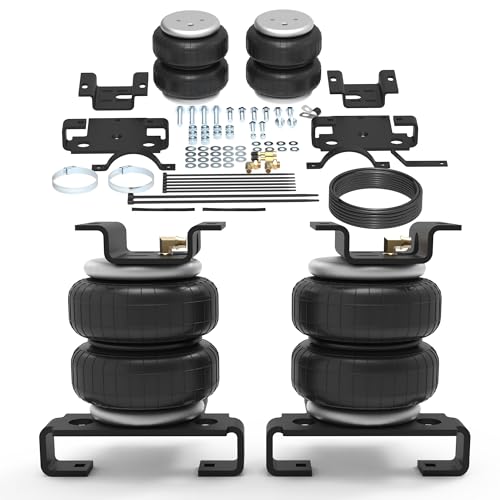
Note: Compatible with both Single Rear Wheel (SRW) and Dual Rear Wheel (DRW) models. Fits most side-mount fifth wheel hitch systems. Not compatible with cab & chassis models or Quadrasteer-equipped vehicles.

Enhanced Stability & Comfort - The air bags help reduce vehicle sag, providing a smoother and more comfortable ride. Experience improved driving dynamics with better load distribution and stability, even when carrying heavy loads (Please note, this airbag is only compatible with the following kit models: 2582, 2525, 2250, 2286, 2071, 2190and 2251. Any other models, aside from the ones listed above, are not compatible) (Replacement for air bag model 6781)

YOU WILL GET: The air shock line kit includes 30 feet of black 1/4" Air Line. 2 pcs 1/4" OD Air Inflation Schrader Valves. 2 pcs 1/4" OD x 1/4 NPT Elbow Fittings - 360 Degree Swivel. 1 pc 1/4" Union Tee. 1 pc Plastic Tubing Cutter
Type of Vehicle
Different vehicles require different airbag suspension systems, impacting the overall cost. For instance, upgrading a compact car generally costs less than equipping a heavy-duty truck or SUV. Specific vehicle brands and models may also dictate pricing, with some requiring custom parts that can increase expenses. Researching compatible options for your vehicle type ensures you find the most cost-effective solution.
Quality of Components
The quality of airbag suspension components significantly affects the price. High-quality systems often feature durable materials and advanced technology, ensuring reliability and better performance. Premium kits can range from $1,000 to $3,000, while budget-friendly options may be available for around $500 to $800. Investing in quality components enhances the longevity and performance of your suspension, providing better value over time.
Installation Costs
Installation costs vary based on your location and the complexity of the system. Professional installation typically ranges from $300 to $800, influenced by labor rates and the expertise of the technician. Some vehicle owners choose DIY installation to save money, but ensure you have the right tools and knowledge to avoid mistakes. Checking local mechanics or shops for quotes can help you find the best deal for the installation process.
How Much Is an Airbag Suspension?
The cost of an airbag suspension system varies based on several factors, including the vehicle type and quality of components. This section breaks down the expenses to help you understand what to expect.
Recommended Products

PACKAGE INCLUDE: 50 ft 1/4" dot air hose line, 2 pcs 1/4" brass tube tee fittings, 2 pcs 1/4" brass straight union connectors, 2 pcs 1/4" brass straight push & NPT thread, 2 pcs 1/4" 360-degree swivel elbows NPT thread, 2 pcs 1/4" inflation Schrader valves, 1 pc tube cutter, 1 pc Teflon tape

FITMENT - Fits the following years 2004 2005 2006 2007 2008 2009 2010 2011 2012 2013 2014 2015 04 05 06 07 08 09 10 11 12 13 14 15

Average Price Range
Airbag suspension kits typically range from $500 to $3,000. For budget-friendly options, expect to pay about $500 to $800 for basic kits. Mid-range kits usually cost between $800 and $2,000, providing a balance of quality and performance. Premium kits, which offer advanced features and high-end materials, can easily reach $3,000 or more. Installation costs add an additional $300 to $800, depending on the complexity of your vehicle’s suspension system and labor rates in your area.
Price Comparison with Other Suspension Types
Airbag suspension systems often compare favorably to other suspension types, such as coil spring and leaf spring systems. Coil spring systems typically cost between $300 and $1,500, but they don’t provide the same level of adjustability and ride quality. Leaf springs are generally even cheaper, ranging from $200 to $1,000; however, they lack the customization options that airbags offer. When weighing the costs, consider the benefits of enhanced comfort and control that airbag suspensions provide, especially for trucks and SUVs used in varying conditions.
Pros and Cons of Airbag Suspension
Airbag suspension systems offer unique benefits and drawbacks. Understanding these can help you make an informed decision about upgrading.
Recommended Products

🚗【Compatible Models】Rear air suspension springs compatible with 1992-2011 Mercury Grand Marquis, for 1990-2011 Lincoln Town Car, for 1993 1994 1995 1996 1997 1998 1999 2000 2001 2002 2003 2004 2005 2006 2007 2008 Ford Crown Marquis.

This is a complete kit assembled to replace your stock touring shocks with height-adjustable air shocks.

Vehicle Compatibility - RETRUE Air bags rear suspension kit for 2011-2016 Ford F250 F350 2WD 4WD and 2011-2013 Ford F450 2WD 4WD, perfect replacement for the Firestone Ride-Rite 2597 kit
Advantages
- Improved Ride Quality: Airbag systems provide a smoother ride by adjusting to road conditions. They absorb bumps and impacts better than traditional springs, enhancing comfort on rough terrain.
- Adjustable Height: You can adjust the ride height to suit your needs. Lowering or raising the vehicle alters handling and load-carrying capacity, ideal for various driving scenarios.
- Enhanced Load Support: Airbags can support heavy loads more effectively than traditional suspensions. They maintain a level vehicle stance, which improves safety and stability while towing or carrying cargo.
- Better Performance: Airbag suspension contributes to improved handling and control. You can fine-tune the system for performance driving or comfort, depending on your preference.
- Customizable: Many kits allow you to personalize settings, such as adjusting firmness or responsiveness. This flexibility caters to individual driving styles and preferences.
Disadvantages
- Higher Initial Cost: Airbag suspension tends to cost more than standard suspension systems. Budget for $500 to $3,000 for parts and an additional $300 to $800 for installation.
- Maintenance Requirements: Airbags need regular checks for leaks and wear. They may require more upkeep than conventional suspensions, potentially increasing long-term costs.
- Complex Installation: Installing an airbag system can be complicated. It may require professional help, especially for those unfamiliar with vehicle modifications. This can lead to higher installation costs.
- Potential for Failure: While rare, airbag systems can fail due to leaks or component issues. This can lead to a sudden loss of ride quality or vehicle control if not addressed promptly.
- Limited Lifespan: Airbags can wear out over time. Knowing when to replace them is essential for maintaining performance and safety.
Understanding these pros and cons allows you to weigh whether an airbag suspension system aligns with your driving needs and budget.
Conclusion
Upgrading to an airbag suspension can be a game changer for your driving experience. It offers a level of comfort and adjustability that traditional systems can’t match. While the initial investment might seem high the benefits often outweigh the costs.
By considering your vehicle type and needs you can find a solution that fits your budget. Whether you go for a premium kit or a more affordable option there’s something out there for everyone. Just remember to weigh the pros and cons and do your research. With the right choice you’ll enjoy a smoother ride and improved handling in no time.
Frequently Asked Questions
What is airbag suspension?
Airbag suspension replaces traditional coil springs with air-filled bags to improve driving comfort and handling. It allows for adjustable ride height, which enhances performance, especially in varied driving conditions. This system is particularly popular for trucks and SUVs.
How much does it cost to upgrade to airbag suspension?
The cost to upgrade to airbag suspension typically ranges from $500 to $3,000, depending on the kit’s quality and the vehicle type. Installation fees can add another $300 to $800, making it essential to budget for both parts and labor.
What are the benefits of airbag suspension?
Airbag suspension offers several benefits, including improved ride quality, adjustable height for comfort, enhanced load support, and better handling in different terrains. This system also provides customization options, allowing drivers to tailor their vehicle’s ride experience.
Are there any drawbacks to airbag suspension?
Yes, drawbacks include higher initial costs, increased maintenance needs, and the potential for system failure. The installation can also be complex, and airbags may have a limited lifespan, requiring future investment in replacements.
How does airbag suspension compare to traditional coil springs?
Airbag suspension provides a more comfortable and adaptable ride than traditional coil springs. It enhances handling and stability and allows for height adjustments based on load and driving conditions, offering superior performance overall.
Can I install airbag suspension myself?
While some vehicle owners opt for DIY installation to save on labor costs, it’s essential to have the right tools and knowledge. Improper installation can lead to safety issues. If uncertain, it’s best to consult a professional mechanic.
Will upgrading to airbag suspension improve my vehicle’s performance?
Yes, upgrading to airbag suspension can significantly enhance your vehicle’s performance by improving ride quality, stability, and handling. It allows for adjustments based on load and terrain, making it ideal for various driving conditions.
How do I choose the right airbag suspension system for my vehicle?
To choose the right airbag suspension, consider your vehicle type, how you use it, and your budget. Research different kits, read reviews, and consult local mechanics for advice on compatibility and installation before making a purchase.

Ben Wilkinson is a an experienced mechanic with over 10 years of experience in the automotive repair industry. He is highly skilled in diagnosing and repairing a wide range of car-related issues, from basic maintenance tasks to more complex repairs.