
Choosing between heavy duty and light duty oil is important for your vehicle. These oils differ in thickness, which engines they work best with, how they perform in harsh weather, how often you need to change them, and their cost.
Each type has its pros and cons that can affect how your engine runs. Understanding these key points can help you pick the right oil for your vehicle's needs.
Key Takeaways
- Heavy-duty oils excel in extreme conditions with superior wear protection and lubrication efficiency.
- Light-duty oils are optimal for standard driving, balancing lubrication and fuel efficiency.
- Choosing the right oil duty ensures engine longevity and performance across temperature variations.
- Conducting a cost analysis aids in selecting the suitable oil type aligned with budget and sustainability goals.
Viscosity Differences
Have you ever wondered why viscosity differences play a crucial role in comparing oil duties? Viscosity refers to the oil's resistance to flow. This property is vital as it affects the oil's ability to lubricate engine components effectively. When it comes to wear protection, viscosity grades are key. Higher viscosity oils provide better wear protection under high loads and temperatures, whereas lower viscosity oils offer improved fuel efficiency due to reduced frictional losses.
Temperature effects also come into play when considering viscosity differences. Oil viscosity changes with temperature; higher temperatures lead to lower viscosity. It's crucial to select an oil with the appropriate viscosity grade to ensure optimal performance across a range of operating temperatures. For instance, in colder climates, a lower viscosity oil may be preferred to ensure proper lubrication during start-up.
Understanding the significance of viscosity differences in oil duties allows for informed decision-making when choosing the right oil for your vehicle's specific needs.
Engine Compatibility
When evaluating oil duties, assessing engine compatibility is essential for ensuring optimal performance and longevity. Heavy-duty oils are designed for engines operating under extreme conditions, offering enhanced temperature resistance and lubrication effectiveness. These oils are formulated to withstand high temperatures and heavy loads, reducing engine wear and extending its lifespan.
On the other hand, light-duty oils are suitable for standard driving conditions, providing sufficient lubrication for everyday use without compromising fuel efficiency.
Engine compatibility plays a crucial role in determining the most suitable oil for your vehicle. Using heavy-duty oil in a standard engine may lead to decreased fuel efficiency and potential buildup, while light-duty oil in a high-performance engine could result in increased engine wear under extreme conditions. Therefore, it's imperative to match the oil duty with your engine type to optimize performance and ensure longevity. Always refer to your vehicle's manual and consult with a professional to determine the most compatible oil for your engine.
Recommended Products
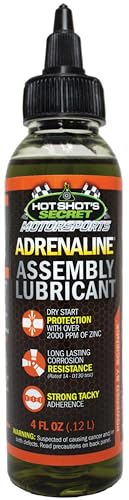
MAXIMUM PROTECTION: formulated to blend with 100% of break in oils, while also providing supreme protection, swift solubility, & unrivaled cling & tackiness to any surface, such as camshaft lobes, bearing surfaces, fasteners, and studs.

AFFORDABLE SOLUTIONS

Perfect for all hobby uses
Performance in Extreme Conditions
In extreme conditions, how does oil performance impact engine longevity and efficiency? When facing high temperatures or heavy loads, the oil's ability to withstand extreme conditions becomes crucial. Heavy-duty oils are formulated to provide superior temperature resistance and durability compared to light-duty oils. This means that in scenarios where the engine is subjected to intense heat or stress, heavy-duty oil can maintain its viscosity and lubricating properties better, ensuring optimal performance and protection.
Moreover, in extreme conditions, lubrication efficiency and wear protection are paramount. Heavy-duty oils excel in these areas by offering enhanced lubrication efficiency, reducing friction between moving parts, and preventing metal-to-metal contact that can lead to wear and tear. The superior wear protection properties of heavy-duty oils help extend engine longevity by minimizing the risk of damage caused by friction and heat.
Recommended Products

1.REPAIR BEFORE REPLACE: AOJEL S300 is a 2-part structural metal epoxy system and aluminum repair epoxy for prepared aluminum, steel, stainless steel, cast iron and cast aluminum; rebuilds rigid brackets, housings and castings

Fast Preheating for Optimized Engine Start Performance: This 200W magnetic block heater heats engine oil to 135°F, making it perfect for smaller engines like snow blowers, chainsaws, and snowmobiles. It's ideal for 2-5 quart systems in cold weather, quick starts for vehicles, tractors, and other heavy duty equipment. By reducing cold starts, it effectively protects your engine and extends its lifespan. (Warning: DO NOT touch the heated iron plate directly)
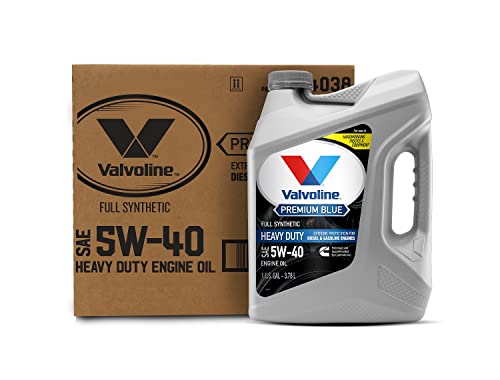
EXCELLENT WEAR PROTECTION IN HEAVY DUTY APPLICATIONS that can take a toll on critical internal moving parts
Maintenance Frequency
Ensuring optimal engine performance requires adhering to a specific maintenance frequency schedule tailored to your vehicle's needs. Regular oil changes are crucial for the longevity of your engine and the overall health of your vehicle.
Here are three key points to consider when setting up your maintenance schedule:
- Consistent Oil Changes: Regular oil changes are essential to keep your engine running smoothly. Changing the oil at the recommended intervals helps prevent wear and tear on engine components, ensuring they operate efficiently.
- Monitoring Wear Prevention: Paying attention to wear prevention measures can significantly impact your engine's lifespan. Routine maintenance checks can help identify potential issues early on, allowing you to address them before they escalate and cause significant damage.
- Following Manufacturer Recommendations: Adhering to the manufacturer's recommended maintenance schedule is crucial. They've designed these schedules based on extensive testing and research to ensure your vehicle operates at its best and lasts a long time.
Recommended Products

Static Cling Oil Change Stickers: The oil change stickers can stick to the windshield steadily with static cling, there is no adhesive left on the car window

Static Cling Sticker-Oil change sticker adheres to the windshield using static electricity, eliminating the need for adhesives. It can be removed without leaving any residue.

Static Cling, No Residue: Our oil change stickers adhere firmly to your windshield using static cling technology, leaving no adhesive residue on your car window
Cost Considerations
Consider the financial implications of your maintenance schedule by evaluating the cost considerations associated with regular oil changes. When comparing heavy-duty and light-duty oils, cost savings play a pivotal role in decision-making. Heavy-duty oils are typically more expensive upfront due to their robust formulation designed for high-performance engines. However, they often require less frequent changes compared to light-duty oils, which can lead to long-term cost savings.
Moreover, it's essential to factor in the environmental impact of oil changes. While heavy-duty oils may require fewer changes, they can generate more waste oil per change due to their higher viscosity and additives. On the other hand, light-duty oils, although cheaper initially, may need more frequent changes, resulting in increased disposal of oil over time.
To optimize cost savings and minimize environmental impact, it's crucial to strike a balance between the initial investment in oil type and the long-term expenses associated with maintenance. Conducting a thorough cost analysis tailored to your specific vehicle's needs can help you make an informed decision that aligns with your budget and sustainability goals.
Conclusion
Choosing the right oil between heavy duty and light duty hinges on understanding their unique characteristics. Consider viscosity, engine compatibility, performance under harsh conditions, maintenance needs, and cost.
Heavy duty oil excels in high-performance engines and tough environments, whereas light duty oil is ideal for regular driving conditions.
The decision should align with your vehicle's requirements, ensuring its engine operates efficiently and lasts longer. What kind of journey do you envision for your vehicle? Let this guide your choice, striking a balance between performance and practicality.

Ben Wilkinson is a an experienced mechanic with over 10 years of experience in the automotive repair industry. He is highly skilled in diagnosing and repairing a wide range of car-related issues, from basic maintenance tasks to more complex repairs.