
Key Takeaways
- Understanding Airbag Deployment: Airbags deploy during moderate to severe collisions to protect occupants, impacting your vehicle’s electrical system and start-up functionality.
- Safety Systems Activation: After airbag deployment, your BMW enters a “lockout” mode requiring professional diagnostics before restarting.
- Assessing Vehicle and Performance: Before attempting to start, ensure safety by checking for injuries and evaluating the vehicle for visible damage and warning lights.
- Restart Procedure: Follow a specific sequence to reset the airbag system, reconnect the battery, and turn on the ignition for a proper restart.
- Common Challenges: Be aware of potential warning lights and electrical issues, which may require further professional diagnostics if you encounter difficulties.
- Professional Consultation and Maintenance: Always seek expert help for persistent issues and schedule regular maintenance checks to ensure your BMW’s systems are functioning properly.
Have you ever found yourself in a situation where your BMW won’t start after the airbags deployed? It can be frustrating and a bit overwhelming, especially if you’re unsure of what to do next. You’re not alone—many drivers face this issue after an accident, and it’s important to know how to handle it safely.
Understanding Airbag Deployment
Airbags deploy as a safety feature during collisions, protecting occupants from injury. Knowing how and when this occurs can help you understand the implications for your BMW after deployment.
What Triggers Airbag Deployment?
Airbags activate in response to specific events, such as:
- Moderate to Severe Collisions: A sensor detects rapid deceleration and triggers deployment.
- Occupant Detection: Systems assess the weight and position of passengers, ensuring proper deployment.
- Vehicle Impact Angles: Certain angles increase the likelihood of activation, specifically frontal and side impacts.
Understanding these triggers helps clarify why your BMW may not start after airbag deployment.
Importance of Safety Systems
Safety systems like airbags are critical for occupant protection. When airbags deploy:
- System Integrity: The car’s computer system may enter a “lockout” mode to maintain safety until repairs occur.
- Diagnostic Checks: The vehicle requires diagnostic checks to assess damage before restarting.
- Repair Necessity: You might need to contact a professional for necessary repairs or inspections.
Recognizing the importance of these systems can guide you in properly handling your BMW post-accident.
Assessing the Situation
Before attempting to start your BMW after the airbags have deployed, assess the situation thoroughly. It’s crucial to ensure that you and any passengers are safe and that your vehicle is ready for further action.
Checking for Injuries
First, check yourself and anyone in the vehicle for injuries. Ensure everyone is alert and stable. If someone is injured, call emergency services immediately. Move to a safe location if possible and avoid moving anyone who may have serious injuries unless there’s an imminent danger.
Evaluating Vehicle Condition
Next, evaluate your vehicle’s condition before trying to restart it. Look for any visible damage, such as dents or leaks, that may indicate more serious issues.
- Check the airbags: Verify that the airbags deployed correctly and no lingering hazards exist.
- Inspect warning lights: Pay attention to dashboard warning lights. If the airbag light or other indicators remain on, this suggests the vehicle needs professional inspection.
- Look for smoke or odors: Check for smoke, burning smells, or other signs of electrical issues, which can pose safety risks.
If everything appears normal and it’s safe, proceed to the next steps for getting your BMW back on the road.
Steps to Restart Your BMW
Restarting your BMW after an airbag deployment involves a few critical steps. Follow these carefully to ensure a smooth process.
Recommended Products

[Pro OBD2 Scanner] - BlueDriver is the easiest way to scan and understand your vehicle like a professional mechanic. Read and clear your car’s trouble codes and check engine light.

High Value Honest Power - Why pay more for fewer features? BM500 provides full-system diagnostics for BMW & MINI (1996 onward), covering more models and series than most $200+ scanners. Includes 5+ key special functions and lifetime f-ree updates, all for just $107.99. Better coverage for your BMW & MINI at excellent value.

ALL SYSTEM DIAGNOSTICS FOR BMW BRANDS - Foxwell NT530 Car Diagnostic Scan Tool for BMW is capable of diagnosing all available electronic systems such as ABS, SRS, SAS, Transmission, EPS, Auto Bleed, TPMS, D-P-F, EPB, Oil Reset, HVAC, Keyless Entry, LKAS Control - it helps you diagnose and calibrate your vehicle's faults - no more dealership and SAVE thousands of dollars on your car's maintenance
Resetting the Airbag System
Reset the airbag system first. Locate the airbag reset button, which is typically found near the steering column or under the dashboard. Press the button and hold it for a few seconds. If your model lacks a reset button, plug in an OBD-II scanner to check for error codes. Clear any stored codes related to the airbag system. This process can help reset the safety features and prepare your BMW for restarting.
Reconnecting the Battery
Reconnect the battery next. If you had previously disconnected it due to safety concerns, ensure you connect the positive (+) terminal first, followed by the negative (-) terminal. Tighten the connections securely. Check for a spark or other signs of a poor connection. If everything looks good, give the battery a few moments to stabilize before moving on to the next step.
Turning the Ignition On
Turn the ignition on after completing the previous steps. Put the key in the ignition and attempt to start the vehicle. If the dashboard lights illuminate, it indicates the car’s systems are operational. If the car doesn’t start, remain calm and check for additional warning lights or issues. In some cases, the car’s computer may require a diagnostic scan to reset any remaining safety locks. If the vehicle remains unresponsive, contact a professional for assistance.
Common Challenges
Starting your BMW after airbags have deployed presents several unique challenges. Understanding these challenges aids in effectively addressing them.
Recommended Products
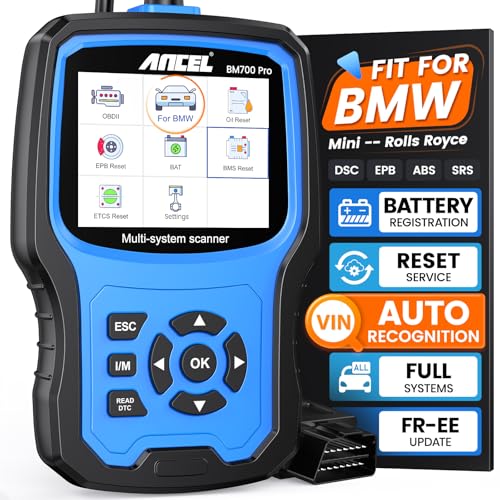
【BM700 Upgraded Version AUTO V-I-N】The BM700 PRO for BMW OBD2 scanner is the upgraded version of the BM700—designed specifically for BMW, Mini, and Rolls-Royce. With its new AUTO V-I-N feature, it automatically reads your car’s V-I-N, pulls up vehicle details, and scans all systems. Diagnose faults in under a minute—no need to manually select the model. Smarter, faster, and way less work! Heads up: Must be 12V cars manufactured in 2000 or later that are OBD2-complian with 16-Pin OBD2 protocols (J1850VPM, J1850PWM, IS09141, KWP2000 and CAN).

【Bluetooth OBD2 Scanner Designed for BMW】The ANCEL BD300 is a cost-effective obd2 scanner diagnostic tool designed for BMW/MINI/Rolls-Royce owners. It offers full coverage for BMW series (1-8, X, Z, i, M ) , Mini Cooper/Clubman/Countryman Series and Rolls-Royce (2002+). Except for BMW-group vehicles, it’s compatible with all OBD2-equipped vehicles (1998+) featuring 16-pin connectors—supporting 60+ brands (US/EU/Asia) and 10,000+ models. Supports 6 user-selectable languages (Chinese, English, German, French, Spanish, and Italian), making it easy to operate no matter where you’re from.

[Easy to Use—Work Out of the Box] + [FOXWELL 2026 New Version] FOXWELL NT604 Elite scan tool is the 2026 new version from FOXWELL, designed for car owners who want to figure out the cause of issues before fixing car problems by scanning common systems like ABS, SRS, engine, and transmission. The NT604 Elite obd2 scanner diagnostic tool comes with the latest software, ready to use out of the box—no need to waste time downloading software first.
Warning Lights and Indicators
Dashboard warning lights often illuminate after airbag deployment, signaling potential issues. You may see airbag system alerts, engine warnings, or other symbols indicating a fault. Before attempting to start your BMW, note the illuminated lights. If the airbag warning light persists after resetting the airbag system, consult a professional for diagnostics. Understanding these warning signals ensures you don’t overlook critical vehicle health questions.
Possible Electrical Issues
Electrical problems frequently arise after airbag deployment. You might encounter issues like a dead battery, malfunctioning fuses, or disconnected wiring. If the dashboard lights don’t illuminate when you turn the ignition, check the battery connections and fuses first. If problems remain, electrical components tied to the airbag system may need inspection or replacement. Electrical integrity is essential for a safe restart, so prioritize these checks.
Additional Tips and Precautions
Take safety seriously when dealing with a BMW after airbag deployment. Following these additional tips can help ensure a smoother process.
Consulting with Professionals
Consult with professionals if you’re unsure about the vehicle’s condition. Technicians can run diagnostics to check for fault codes related to the airbag system. They can address any potential electrical issues effectively. If warning lights persist after attempting to reset the system, it’s wise to seek expert help. Avoid driving until a professional clears any safety concerns.
Regular Maintenance and Safety Checks
Schedule regular maintenance and safety checks for your BMW. Regular inspections can catch problems before they escalate. Check battery health, wiring connections, and fuses during routine service. Keeping the airbag system updated and functional can save you from future complications. Always refer to the owner’s manual for specific maintenance schedules and recommended practices.
Conclusion
Dealing with a BMW that won’t start after airbag deployment can be stressful but knowing the right steps can make it easier. Always prioritize safety and ensure everyone is okay before checking your vehicle.
If your car shows any warning lights or you notice unusual signs, it’s best to reach out to a professional. They can provide the expertise needed to diagnose any issues and ensure your BMW is safe to drive again.
Regular maintenance and safety checks can help prevent future problems. By staying proactive you’ll keep your BMW in top shape and ready for the road ahead.
Frequently Asked Questions
Recommended Products
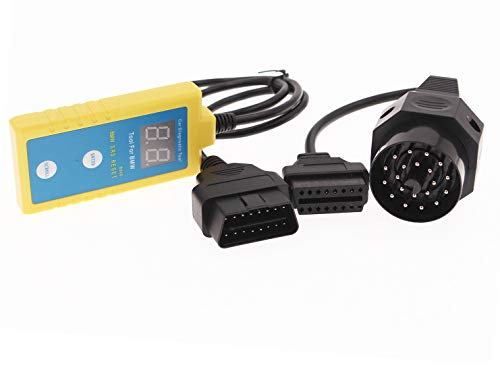
B800 Airbag Scan/Reset Tool work for BMW between 1994 and 2003, This is a very easy to use tool that comes with instruction manual to help you diagnose problems.
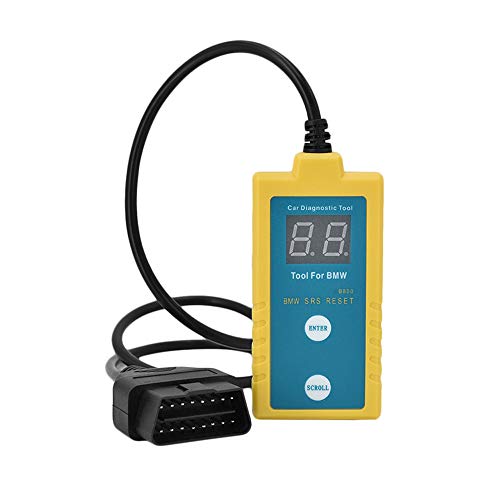
✔️【Professional-Grade SRS Reset Tool for Classic BMWs】 Designed specifically for classic BMW models manufactured between 1994 and 2003. The B800 scanner provides a professional solution for reading and clearing SRS airbag fault codes, turning off the warning light, and saving you a costly trip to the dealer.
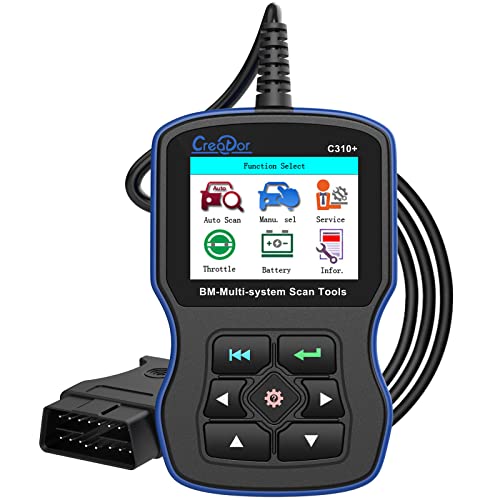
【FEATURES FOR BMW 】Creator C310 plus code reader is a professional diagnostic scan tool for BMW vehicle owners, which can support Read and erase trouble codes,turn off abs, airbag, transmission and all other systematic warning light, living data, clear adaptation, vehicle information, datastream graph display, service reset, CBS reset. C310+ Support ,Mini between 2001 to 2017 years. 1997-2004 car needs a 20 pin adaptor (not included).
Why won’t my BMW start after the airbags deploy?
After airbag deployment, your BMW may enter a “lockout” mode for safety. This prevents the vehicle from starting until necessary diagnostics and repairs are completed. Check for visible damage and any warning lights before attempting to restart the vehicle.
What should I do immediately after the airbags deploy?
First, ensure everyone is safe and assess for any injuries. If necessary, call emergency services. Then, examine your BMW for visible damage and check dashboard warning lights before deciding on the next steps.
How can I reset the airbag system in my BMW?
To reset the airbag system, disconnect the battery for at least fifteen minutes, then reconnect it. Check your dashboard for airbag warning lights and ensure that they reset properly. If the light persists, consult with a professional.
What warning lights should I check after an airbag deployment?
After an airbag deployment, check for any illuminated warning lights on your dashboard. Common lights to look out for include the airbag warning light and check engine light. These may indicate issues that need professional attention.
Why is my BMW still not starting after I checked everything?
If your BMW won’t start after checking for visible damage and warning lights, there may be underlying electrical issues like a dead battery, faulty fuses, or disconnected wiring. It’s best to contact a professional for a thorough diagnostic.
Is it safe to drive my BMW after airbags have deployed?
No, it is not safe to drive your BMW until it has been thoroughly checked by a professional. Driving with a malfunctioning airbag system poses significant safety risks, and all potential issues should be resolved before getting back on the road.
How can I prevent future issues with my BMW’s airbag system?
Regular maintenance, including checking battery health, wiring connections, and fuses, can help prevent future airbag-related issues. Ensure your airbag system is functional by consulting your owner’s manual for recommended maintenance schedules and practices.

Ben Wilkinson is a an experienced mechanic with over 10 years of experience in the automotive repair industry. He is highly skilled in diagnosing and repairing a wide range of car-related issues, from basic maintenance tasks to more complex repairs.