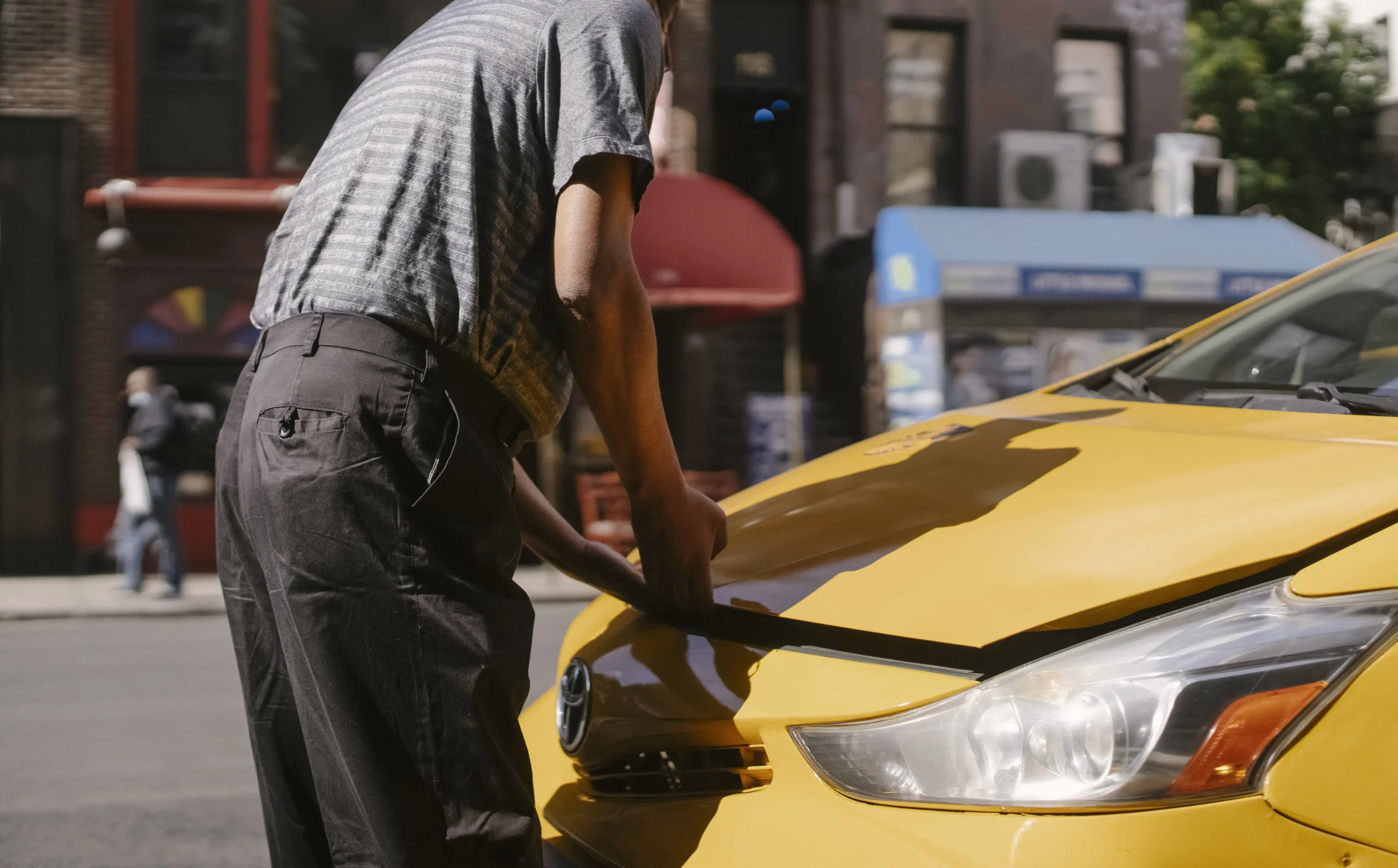
Why Does My Car Make a Squeaking Noise When I Turn It On

One possible reason for a squeaking noise when turning on a car is a loose or worn belt. The belt may need to be tightened or replaced. The alternator, power steering pump, or air conditioning compressor could also be causing the squeaking noise. These components may need to be inspected and repaired or replaced if …

Read more

How to Cool Down a Car Engine Quickly

Turn off the engine immediately to prevent further damage. Open the hood of the car to allow heat to escape quickly. Avoid touching any hot parts of the engine to prevent burns. If available, use a spray bottle filled with water to mist the radiator and hoses. This can help cool down the engine faster. …

Read more

Can Overfilling Oil Cause Engine Knock

Overfilling oil can cause engine knock, which is a knocking or pinging sound coming from the engine. This occurs when there is too much oil in the engine, causing it to foam and create air pockets that prevent proper lubrication of the moving parts. The excess oil can also cause increased pressure in the crankcase, …

Read more

What Happens if Your Car Overheats and You Keep Driving

Continuing to drive a car that is overheating can cause serious damage to the engine. The first sign of an overheating engine is usually the temperature gauge rising above normal levels or steam coming from under the hood. If you notice these signs, it’s important to pull over as soon as possible and turn off …

Read more

How to Keep Car Engine From Freezing Overnight

Use an engine block heater: This device is designed to keep the engine warm even when it’s not running. It can be plugged into a standard electrical outlet and will help prevent the engine from freezing overnight. Park in a garage: If you have access to a garage, park your car inside. This will protect …

Read more

Is the Plastic Engine Cover in Your Car Necessary?

black and gray car engine

Plastic engine covers are commonly found in modern cars and serve a variety of purposes. One of the main purposes is to improve the aesthetics of the engine bay by covering up unsightly components. Another purpose is to reduce noise and vibration from the engine, making for a quieter ride. Some plastic engine covers also …

Read more

What Causes White Smoke From Engine

White smoke from the engine is usually caused by coolant or water entering the combustion chamber. This can be due to a blown head gasket, cracked cylinder head, or a warped engine block. Another possible cause of white smoke is burning transmission fluid, which can indicate a leak in the transmission system. In rare cases, …

Read more

What Does LS Mean on a Chevy Engine

The LS engine is a popular engine used in Chevy vehicles. LS stands for Luxury Sport and was first introduced in the 1997 Corvette. The LS engine is known for its high performance and reliability. There are several variations of the LS engine, including the LS1, LS2, LS3, and LS7. The LS1 was used in …

Read more

Can You Hose Down a Car Engine

It is generally not recommended to hose down a car engine. Water can damage electrical components and cause corrosion. If you must clean your engine, use a degreaser and a soft-bristled brush. Avoid spraying water directly onto the engine or any electrical components. Cover sensitive areas with plastic bags or aluminum foil before cleaning. Allow …

Read more

Can Rain Damage Car Engine?

Heavy rain can cause damage to a car engine if water enters the air intake system. If water gets into the combustion chamber, it can cause hydrolock, which can lead to serious engine damage. Driving through deep puddles or flooded areas can increase the risk of water entering the engine. If you suspect that your …

Read more

Common Problems After Engine Replacement

Common Problems After Engine Replacement

Engine Misfires: This is a common problem that occurs after engine replacement. It can be caused by a variety of factors such as faulty spark plugs, damaged ignition coils, or clogged fuel injectors. Oil Leaks: Another issue that may arise after an engine replacement is oil leaks. This can be due to improper installation of …

Read more

Why Does My Car Engine Turn off When I Stop

One possible reason for a car engine turning off when stopped is a malfunctioning idle control valve. This valve regulates the amount of air that enters the engine while idling, and if it’s not working properly, the engine may stall. A dirty or clogged fuel filter can also cause an engine to turn off when …

Read more

Can You Put Oil in a Hot Car Engine

Putting oil in a hot car engine is not recommended as it can cause serious damage to the engine. The heat from the engine can cause the oil to break down and lose its lubricating properties, which can lead to increased friction and wear on the engine’s moving parts. If you need to add oil …

Read more

How Long Do Car Engines Last

Car engines can last anywhere from 100,000 to 300,000 miles depending on various factors such as maintenance, driving habits, and the type of engine. Regular maintenance is key to extending the life of a car engine. This includes oil changes, air filter replacements, and tune-ups. Driving habits also play a role in how long an …

Read more

What to Do When Car Wont Start but Battery Works

Check the starter: The starter is responsible for turning the engine over, so if it’s faulty, your car won’t start. You can try tapping on the starter with a hammer or using a multimeter to test its voltage. Inspect the fuel system: If there’s no fuel getting to the engine, your car won’t start. Check …

Read more

Check Engine Light Flashing but No Misfire

Flashing check engine light indicates a serious problem with the engine that needs immediate attention. If there is no misfire, it could be due to other issues such as a faulty oxygen sensor, catalytic converter, or fuel injector. The issue could also be related to the electrical system or computer module of the vehicle. Ignoring …

Read more

What Do Cylinders Do in a Car Engine

Cylinders are a crucial component of a car engine, responsible for converting fuel into energy. Most car engines have four to six cylinders, but some high-performance vehicles may have up to twelve. The size and shape of the cylinders can affect the performance and efficiency of the engine. Cylinder walls must be lubricated to prevent …

Read more

Transmission Problems After Engine Swap

Transmission problems after engine swap are not uncommon and can be caused by a variety of factors. One common cause is mismatched components, such as using a transmission that is not compatible with the new engine. Another potential issue is improper installation or adjustment of the transmission, which can lead to slipping gears or other …

Read more

Is Getting a New Engine Like Getting a New Car

Getting a new engine can be like getting a new car in terms of cost. Replacing an engine can cost anywhere from $1,000 to $4,000 or more depending on the make and model of the car. However, getting a new engine may be more cost-effective than buying a brand new car. If the rest of …

Read more

What Is the Normal Engine Temperature for a Car Engine?

black and red engine bay

The normal engine temperature for a car engine is between 195 and 220 degrees Fahrenheit. It’s important to note that different engines may have slightly different ideal temperatures, so it’s best to consult your owner’s manual or a trusted mechanic for specific recommendations. If your engine temperature gauge consistently reads higher or lower than the …

Read more

Pros and Cons of Replacing Car Engine

Greyscale Photography of Car Engine

Pros of replacing car engine: Improved performance: A new engine can significantly improve the overall performance of a car, including acceleration, power, and fuel efficiency. Extended lifespan: Replacing an old or worn-out engine can extend the lifespan of a vehicle by several years. Better reliability: A new engine is less likely to break down or …

Read more

Is It Important to Have an Engine Splash Shield

Engine splash shields protect the engine and its components from debris, water, and other harmful elements that can cause damage. Without a splash shield, the engine is exposed to rocks, dirt, and other debris that can puncture or damage the oil pan, transmission, or other vital parts of the engine. Splash shields also help to …

Read more

Can Cold Weather Affect Car Engine

Cold weather can affect car engines in several ways. One of the most common issues is that cold temperatures can cause the oil in the engine to thicken, making it harder for it to flow properly. This can lead to increased wear and tear on the engine and even damage if left unchecked. Cold weather …

Read more

How Long Does a Car Engine Take To Cool Down

Man in Black Jacket and Black Knit Cap Inspecting Car Engine

Car engines can take anywhere from 15 minutes to several hours to cool down, depending on a variety of factors. The size and type of engine, as well as the ambient temperature and humidity, can all affect how long it takes for an engine to cool down. In general, smaller engines will cool down more …

Read more

The Difference Between Marine Engine and Car Engine

Marine engines are designed to operate in a harsher environment than car engines. They need to withstand saltwater corrosion, extreme temperatures, and constant exposure to the elements. Car engines are designed for efficiency and speed, while marine engines prioritize durability and reliability. Marine engines typically have larger displacement and produce more torque at lower RPMs …

Read more

Can You Drive Without a Crankshaft Sensor

Driving without a crankshaft sensor is possible, but not recommended. The crankshaft sensor is responsible for monitoring the position and speed of the crankshaft, which is essential for proper engine function. If the sensor fails or malfunctions, the engine may still run, but it will likely experience issues such as reduced power and fuel efficiency, …

Read more

Car Makes Squealing Noise When in Park

One possible cause of a squealing noise when a car is in park is a worn or loose serpentine belt. This belt connects the engine to various components, such as the alternator and power steering pump, and can become worn over time. Another potential culprit is a malfunctioning pulley. Pulleys are responsible for guiding the …

Read more

What Causes a Car Engine to Suddenly Stop

Car engines can suddenly stop for a variety of reasons, from mechanical issues to electrical problems. Understanding the potential causes can help drivers prevent unexpected breakdowns and keep their vehicles running smoothly. If you only got 30 seconds: This article discusses the common reasons for sudden car engine failure, including lack of maintenance, overheating, and …

Read more

Car Engine Shaking When Idle

If you’ve noticed your car engine shaking when idle, it could be a sign of a bigger issue. Don’t ignore the symptom and learn more about what could be causing it. If you only got 30 seconds: The article discusses the common causes of a car engine shaking when idle, including misfiring cylinders, worn motor …

Read more

What Causes Car Engine to Overheat

Car engine overheating is a common issue that can lead to significant damage. Understanding the causes of engine overheating is crucial in preventing long-term problems and ensuring your vehicle’s longevity. If you only got 30 seconds: Low coolant levels can lead to engine overheating, which is one of the most common causes of engine damage. …

Read more

Car Engine Louder Than Normal: Identifying Causes and Effective Solutions

An Auto Mechanic Checking the Engine of a Car

When your car’s engine starts roaring louder than usual, it’s not just an annoyance—it could be a warning sign. Unusual engine noise often signals underlying issues that, if left unchecked, can lead to more serious and costly repairs. From exhaust system problems to engine malfunctions, understanding why your engine has turned up the volume is …

Read more

Why My Car Engine Is Shaking

If you’ve recently noticed your car engine shaking, it’s important to investigate the issue promptly. Shaking can be a sign of various problems, ranging from minor issues to serious ones. In this article, we’ll explore some common reasons why your car engine is shaking and what you can do about it. If you only got …

Read more

Car Engine Light on and Shaking

If you’ve ever experienced your car’s engine light turning on and the vehicle shaking, you know how concerning it can be. This warning sign indicates that there is a problem with your car’s engine or transmission, and it’s important to address it promptly to prevent further damage or breakdowns. If you only got 30 seconds: …

Read more

Car Engine Wont Turn Over

If you’re experiencing trouble starting your car and the engine won’t turn over, there could be a number of reasons why. It’s important to diagnose the issue quickly in order to avoid further damage and get back on the road as soon as possible. If you only got 30 seconds: This article discusses common reasons …

Read more

Car Engine Leaking Water

“Discover the possible causes and solutions to address your car engine leaking water problem.” If you only got 30 seconds: This article discusses the common causes of a car engine leaking water, including a leaking radiator, blown head gasket, cracked engine block, and faulty water pump. Other possible causes include loose or damaged hoses, damaged …

Read more

How to Clean Car Engine Inside: Step by Step Guide

nissan 240z, nissan, car wallpapers

Cleaning the inside of your car’s engine is a crucial maintenance task that not only enhances its performance but also extends its lifespan. However, diving into this process can be daunting due to the complexity and sensitivity of engine components. Fear not—our step-by-step guide is designed to simplify the task, ensuring you can safely and …

Read more

Car Engine Suddenly Stops While Running

When a car engine suddenly stops while running, it can be a frustrating and potentially dangerous situation. Understanding the common causes of this issue can help drivers prevent it from happening and take appropriate action if it does occur. If you only got 30 seconds: A car engine may suddenly stop while running due to …

Read more