
Ever felt that unsettling hesitation when shifting gears in your car? You’re cruising down the road, and something just doesn’t feel right. Could it be your transmission trying to tell you something? Picture this: you press on the gas pedal, but instead of a smooth acceleration, there’s a slight delay or a jolt. It’s not just an inconvenience; it could be a sign of a slipping transmission.
In this article, we’ll guide you through the subtle signs and red flags that indicate your transmission might be slipping. Understanding these signals can save you from costly repairs down the road and keep your vehicle running smoothly. Stay tuned to learn how to detect transmission issues early and take proactive steps to address them before they escalate.
Key Takeaways
- Transmission slipping can manifest as delayed acceleration, RPM fluctuations, burning smells, unusual noises, and leaking fluids.
- Common causes of transmission slipping include low fluid levels, worn or damaged bands, and faulty torque converters.
- Diagnosing transmission issues can be done through professional diagnostic tools or DIY checks like monitoring fluid levels and observing gear shifting.
- Preventive maintenance measures such as regularly checking fluid levels, monitoring gear shifting, listening for unusual sounds, and addressing leaks promptly are crucial to keep your transmission in good condition.
Understanding Transmission Slipping
Transmission slipping can be a concerning issue in your vehicle that may lead to significant problems if not addressed promptly. Here’s what you need to know about transmission slipping and its common symptoms:
What Is Transmission Slipping?
Transmission slipping refers to a situation where the gears in your car fail to engage properly, causing a momentary loss of power between shifts. It often feels like the engine is revving without a corresponding increase in speed, indicating an underlying problem with the transmission mechanism.
- Delayed Acceleration: When you press the gas pedal but experience a delay before the vehicle responds or accelerates slowly, it could be a sign of transmission slipping.
- RPM Fluctuations: If you notice unexpected fluctuations in your car’s RPM (revolutions per minute) while driving at a consistent speed, it might indicate issues with gear engagement.
- Burning Smell: A burnt odor coming from under the hood could signal overheating transmission fluid due to excessive friction caused by slipping gears.
- Unusual Noises: Strange noises such as whining, humming, or clunking sounds during gear shifts or while driving can point towards transmission troubles.
- Leaking Fluids: Puddles or stains of red fluid beneath your parked car could suggest a leak in the transmission system, leading to slipping gears and potential damage.
By recognizing these signs early on and addressing them promptly with professional help, you can prevent further damage to your vehicle’s transmission and ensure smoother driving experiences.
Causes of Transmission Slipping
Transmission slipping can be a concerning issue in your car, impacting its performance and safety. Understanding the causes behind this problem can help you address it promptly and prevent further damage to your vehicle.
Recommended Products

Genuine Honda Transmission

For use in 95% of vehicles including most CVTs in operation with US registered light duty applications

For use in 95% of vehicles including most CVTs in operation with US registered light duty applications
Low Fluid Levels
One common cause of transmission slipping is low fluid levels. Automatic transmissions rely on fluid to lubricate moving parts and maintain proper hydraulic pressure. When the fluid is low, gears may not shift smoothly, leading to slipping. Checking your transmission fluid regularly and topping it up as needed can help prevent this issue.
Worn or Damaged Bands
Worn or damaged bands within the transmission can also result in slipping. Bands are responsible for linking various gears together during gear changes. If these bands are worn out or broken, they may not engage properly, causing the transmission to slip between gears. Regular maintenance checks by a qualified mechanic can help detect band issues early on.
Faulty Torque Converter
Another potential culprit for transmission slipping is a faulty torque converter. The torque converter transfers power from the engine to the transmission, allowing your car to move forward. If the torque converter malfunctions, it can lead to erratic gear shifts and slipping transmissions. Addressing torque converter problems promptly through professional diagnosis and repair is crucial in maintaining smooth transmission operation.
By understanding these common causes of transmission slipping, you can take proactive steps to identify issues early on and ensure the continued reliability of your vehicle’s transmission system. Regular maintenance checks and prompt attention to any signs of trouble will help you avoid costly repairs down the road while keeping your driving experience smooth and worry-free.
Diagnosing Transmission Issues
When it comes to diagnosing transmission problems, there are a few avenues you can explore to get a clearer picture of what might be going on with your vehicle. Here’s how you can go about identifying potential issues:
Recommended Products

[Easy to Use—Work Out of the Box] + [FOXWELL 2026 New Version] FOXWELL NT604 Elite scan tool is the 2026 new version from FOXWELL, designed for car owners who want to figure out the cause of issues before fixing car problems by scanning common systems like ABS, SRS, engine, and transmission. The NT604 Elite obd2 scanner diagnostic tool comes with the latest software—no need to waste time downloading software first. Plug the scanner into the OBDII port with OBDII cable to start the diagnosis.
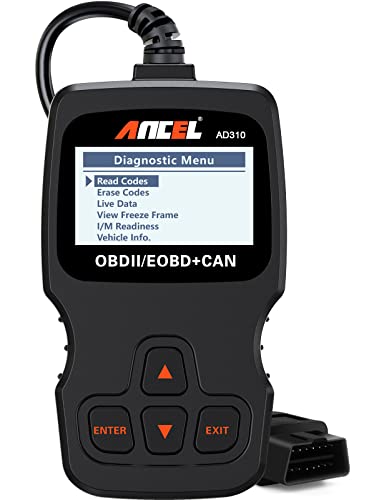
CEL Doctor: The ANCEL AD310 is one of the best-selling OBD II scanners on the market and is recommended by Scotty Kilmer, a YouTuber and auto mechanic. It can easily determine the cause of the check engine light coming on. After repairing the vehicle's problems, it can quickly read and clear diagnostic trouble codes of emission system, read live data & hard memory data, view freeze frame, I/M monitor readiness and collect vehicle information.

[Brand-New ArtiDiag500] We've got everything you're looking for! Forget basic OBD2 scanners; TOPDON's ArtiDiag500 car scanner offers more. The all-new ArtiDiag500 not only includes full OBD2 functions and 4-system diagnostics but also provides DIYers with 6 maintenance services. The brand-new, cost effective AD500 is back in full swing!
Professional Diagnostic Tools
If you’re unsure about the state of your transmission and want a more accurate assessment, taking your car to a professional mechanic or auto shop is the best course of action. These experts have access to specialized diagnostic tools that can pinpoint specific problems within your transmission system. By connecting these tools to your vehicle’s onboard computer, they can read error codes and data that provide valuable insights into the health of your transmission.
DIY Checkup Steps
While professional help is essential for precise diagnostics, there are some basic checks you can perform at home to gauge the condition of your transmission. Here are a few simple steps you can take:
- Check Transmission Fluid: Start by inspecting the transmission fluid level and quality. Low fluid levels or dirty, burnt-smelling fluid could indicate underlying issues with your transmission.
- Monitor Gear Shifting: Pay attention to how smoothly your vehicle shifts gears while driving. Jerky or delayed shifting could be a sign of transmission trouble.
- Listen for Unusual Sounds: Strange noises like whining, grinding, or clunking during gear changes may point towards transmission issues.
- Watch for Leaks: Keep an eye out for any leaks under your car—transmission fluid leaks often manifest as red-colored puddles beneath the vehicle.
By combining professional expertise with these DIY checks, you’ll be better equipped to identify potential transmission problems early on and take appropriate action to address them promptly.
Preventive Measures and Maintenance
To ensure your transmission stays in top condition, consistent checks and proper maintenance are key. Here’s how you can take proactive steps to prevent transmission issues:
Regular Transmission Checks
Regularly inspecting your transmission system can help catch potential problems early on. You should:
- Monitor Fluid Levels: Check your transmission fluid regularly using the dipstick. Low fluid levels can lead to overheating and damage.
- Observe Gear Shifting: Pay attention to how smoothly your vehicle shifts gears. Rough or delayed shifting could indicate transmission issues.
- Listen for Unusual Sounds: Any unusual noises like grinding or whining during gear changes may signal a problem with the transmission.
- Watch for Leaks: Keep an eye out for any leaks under your vehicle, especially red or brown fluid leaks, which could be from the transmission.
Fluid Quality and Level Maintenance
Proper maintenance of your transmission fluid is crucial for its overall health. Here’s what you should do:
- Change Fluid Regularly: Follow the manufacturer’s recommendations for changing the transmission fluid at specified intervals.
- Use Recommended Fluid Type: Ensure you use the correct type of transmission fluid recommended for your vehicle.
- Check Fluid Quality: Inspect the color and consistency of the fluid. Healthy transmission fluid is usually red and transparent, not dark or cloudy.
- Address Leaks Promptly: If you notice any leaks or a drop in fluid levels, address them immediately to prevent damage to your transmission system.
By incorporating these preventive measures into your regular maintenance routine, you can help extend the life of your vehicle’s transmission and avoid costly repairs down the road.
Conclusion
Keeping an eye on your transmission’s health is crucial for ensuring smooth driving and avoiding expensive repairs. By being proactive and attentive to signs like delayed acceleration, burning smells, and low fluid levels, you can catch issues early. Regular maintenance, such as checking fluid levels, monitoring gear shifting, and addressing leaks promptly, plays a vital role in extending the lifespan of your transmission. Remember to use recommended fluids and seek professional help when needed. By following these simple steps and staying vigilant, you can keep your transmission running smoothly for years to come.
Frequently Asked Questions
What are the signs of a slipping transmission?
Signs of a slipping transmission include delayed acceleration, burning smells, and low fluid levels.
How can I diagnose transmission issues?
You can diagnose transmission issues through professional tools and DIY checks.
What preventive measures can I take for a healthy transmission?
Preventive measures include monitoring fluid levels, observing gear shifting, listening for unusual sounds, and addressing leaks promptly.
What are key steps to extend the life of my transmission?
Proper fluid maintenance, regular checks, using recommended fluid types, and addressing leaks promptly help extend the life of your transmission.

Ben Wilkinson is a an experienced mechanic with over 10 years of experience in the automotive repair industry. He is highly skilled in diagnosing and repairing a wide range of car-related issues, from basic maintenance tasks to more complex repairs.