
Key Takeaways
- Understanding Airbag Lights: An illuminated airbag light indicates potential malfunctions within the airbag system, which could prevent airbags from deploying in an accident.
- Common Activation Causes: The airbag light can be triggered by faulty sensors, disconnected wiring, battery issues, seatbelt problems, and prior airbag deployments needing resets.
- Diagnosing the Issue: Utilizing an OBD-II scanner is essential for retrieving diagnostic trouble codes (DTCs) that help identify the specific problems with the airbag system.
- Resetting the Light: The airbag light may often be reset through methods like disconnecting the battery, fastening seatbelts, or using an OBD-II scanner, but may require professional tools for persistent issues.
- Seeking Professional Help: Consult a mechanic for repeated light activation, unclear diagnostic codes, safety concern uncertainties, or concurrent electrical issues.
- Safety Considerations: Addressing the airbag light promptly is critical, as ignoring it may lead to serious safety risks and complications during accidents or insurance claims.
Have you ever noticed that pesky airbag light glowing on your dashboard? You’re not alone. Many drivers find themselves frustrated when that warning light pops up, often without a clear reason. It can feel like a mystery, but it doesn’t have to be.
Understanding Airbag Lights
Airbag lights serve as a critical indicator in your vehicle’s dashboard, signaling potential issues within the airbag system. Recognizing their implications can help you take timely action.
What Does an Airbag Light Indicate?
An illuminated airbag light means there’s a malfunction within the airbag system. This could affect any number of components, including sensors, wiring, or the airbag itself. If the light is on, airbags may not deploy during an accident, which poses a significant safety risk.
Common Reasons for Airbag Light Activation
- Faulty Sensors: Airbag systems rely on sensors to detect whether to deploy in a crash. Malfunctioning sensors can trigger the airbag light.
- Disconnected Wiring: Sometimes, the wiring connecting the airbag to the system can become loose or disconnected, resulting in the light activation.
- Battery Issues: A weak battery or electrical problems may interfere with the airbag system, causing the light to turn on.
- Seatbelt Issues: If seatbelt sensors detect issues, it can also lead to the airbag light becoming illuminated.
- Diagnostic Trouble Codes (DTCs): Modern vehicles use DTCs to communicate issues within the airbag system. If a DTC is present, the light activates.
- Airbag Deployment History: If the airbag has previously deployed, it may need to be reset by a professional, or the light may remain on.
Identifying these issues promptly can aid in maintaining your vehicle’s safety and functionality.
Diagnosing the Problem
Diagnosing the airbag light issue involves a systematic approach. Identifying the root cause early can enhance vehicle safety.
Recommended Products

[Easy to Use—Work Out of the Box] + [FOXWELL 2026 New Version] FOXWELL NT604 Elite scan tool is the 2026 new version from FOXWELL, designed for car owners who want to figure out the cause of issues before fixing car problems by scanning common systems like ABS, SRS, engine, and transmission. The NT604 Elite obd2 scanner diagnostic tool comes with the latest software—no need to waste time downloading software first. Plug the scanner into the OBDII port with OBDII cable to start the diagnosis.

【Reset ABS/SRS/Transmission/Engine Lights】 More than an check engine code reader, OBDMATE OM901 obd2 scanner performs comprehensive diagnostics for the 4 most-used systems (ABS/SRS/Engine/Transmission). It quickly clears fault codes, turns off warning lights, read data stream and auto VIN.

[Diagnose Like a Pro] BlueDriver Pro is a professional OBD2 scanner and diagnostic tool that helps you scan, understand, and clear vehicle trouble codes with confidence. Turn your phone into a powerful car diagnostic scanner—no guesswork, no unnecessary repairs.
Using an OBD-II Scanner
Using an OBD-II scanner is essential for diagnosing the airbag light. These scanners connect to your vehicle’s onboard computer and retrieve diagnostic trouble codes (DTCs). Here’s how to use one:
- Locate the OBD-II Port: It’s usually under the dashboard near the driver’s seat.
- Plug in the Scanner: Insert the scanner into the port.
- Turn on the Ignition: You don’t need to start the engine; just turn the key to the “on” position.
- Read Codes: Follow the scanner’s instructions to check for any stored DTCs related to airbags.
- Document the Codes: Write down any codes for further review.
Using this scanner gives you a clear starting point for resolving the airbag light issue.
Interpreting Diagnostic Trouble Codes (DTCs)
Interpreting DTCs helps pinpoint the problem. Each code corresponds to a specific issue within the airbag system. Here’s how to decode them:
- Look Up the Codes: Use the vehicle’s manual or an online DTC database to find what each code means.
- Identify Symptoms: Cross-reference the codes with the symptoms you’re experiencing. For example, a code indicating a faulty seatbelt sensor points to issues with that component.
- Prioritize Repairs: Address the most critical issues first. If multiple codes appear, focus on the one that could lead to airbag deployment failure.
- Consult a Professional: If the codes are unclear, consider seeking help from a certified mechanic. They’ll provide insights and repair options based on their expertise.
Interpreting DTCs provides valuable information that guides you in diagnosing and fixing the airbag light problem effectively.
Resetting the Airbag Light
Resetting your airbag light can often bring peace of mind. Explore the methods available for this task.
Recommended Products

OBD Code Reader & Battery Tester - the Practical Multi-Functions OBD2 code reader features built-in OBD2 DTC lookup library, which help you to determine the cause of the engine light, read code, erase code, view freeze frame, I/M ready, vehicle information, data flow, real-time curve, get vehicle speed information, calculate load value, engine coolant temperature, get engine speed. You can use it to check fault codes by yourself and display code definitions, understand the health of the vehicle, be fully prepared for going to the auto repair shop for car maintenance.

[Check Before You Buy] - BLCKTEC 430 and the App RepairSolutions2 can only be used in the USA and Canada, other countries and regions will not be supported. While the product works on most OBD2-compliant vehicles 1996-2023 models, available functions may vary by make and model. Before purchasing, be sure to use the Compatibility Checker on BLCKTEC website or contact our customer support to ensure the features you need are supported.

KNOW BEFORE YOU REPAIR: Go beyond a basic engine code reader with diagnostics for Engine, ABS, SRS/Airbag, and Transmission. This four-system OBD2 scanner reads and clears codes to help you understand vehicle issues before making repairs.
Manual Reset Methods
- Disconnect the Battery
Disconnect the negative terminal of your vehicle’s battery. Wait for at least 15 minutes. Reconnect the terminal and start the vehicle. This can clear minor faults in the airbag system.
- Check Seatbelts
Ensure that all seatbelts are securely fastened. Sometimes, a loose connection can trigger the airbag light. If the light goes off after fastening, the issue is likely resolved.
- Inspect Airbag Components
Examine the airbag system components, including wiring and connectors. If any are loose or damaged, fixing them may reset the light and improve safety.
Electronic Reset Methods
- Use an OBD-II Scanner
Connect an OBD-II scanner to your car’s diagnostic port. After turning on the ignition, select the option to clear diagnostic trouble codes. This can instantly reset the airbag light after addressing any underlying issues.
- Professional Diagnostic Tools
Some mechanics use specialized tools for airbag diagnostics. These can provide a detailed report of errors and reset the light efficiently. Consider visiting a professional if DIY methods don’t work.
- Manufacturer-Specific Procedures
Some vehicles require unique reset procedures. Refer to your owner’s manual for specific instructions or check forums dedicated to your car model for detailed guidance.
Professional Help
Seeking expert assistance may be necessary when dealing with the airbag light. If previous methods haven’t resolved the issue, professional diagnostic support becomes crucial.
Recommended Products

Multi-Functions - Practical Multi-Functions OBD2 code reader features built-in OBD2 DTC lookup library, which help you to determine the cause of the engine light, read code, erase code, view freeze frame, I/M ready, vehicle information, data flow, real-time curve, get vehicle speed information, calculate load value, engine coolant temperature, get engine speed.
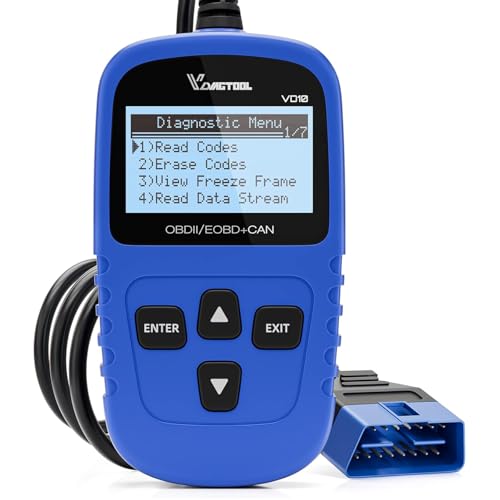
【A MUST-HAVE TOOL FOR DIYERS】 - VDIAGTOOL VD10 car code reader is an incredibly useful obd scanner for each car owner or hobbyist, even for those with little to no experience when it comes to vehicle mechanics! Similar to a fixd car diagnostic tool, using this car diagnostic scanner is extremely easy. All you have to do is attach it to your car OBDII port and you can diagnose car problems in seconds! Read Codes (DTCs); Clear Codes; Live Data; View Freeze Frame; I/M Readiness; Vehicle Information.

The only official protective EVA bag for ANCEL AD310, AD410, AD530, VD500, VD700, HD601, JP700, BD310 FX2000 FX3000 OBD2 scanner and BST200, BA101, BM200 PRO battery tester. (Scanner and accessories in the photos are not included).
When to Consult a Mechanic
Consult a mechanic if the airbag light illuminates and persists after initial troubleshooting. You should consider professional help if you notice:
- Repeated Activation: The airbag light turns on multiple times despite reset attempts.
- Unclear Codes: Diagnostic trouble codes (DTCs) are not easily interpretable or indicate multiple issues.
- Safety Concerns: There’s uncertainty about the airbag system’s functionality, directly impacting safety.
- Electrical Issues: Other dashboard warning lights or electrical problems accompany the airbag light, suggesting broader issues.
What to Expect from a Professional Service
When you visit a professional mechanic, expect a thorough evaluation of your vehicle’s airbag system. Key steps typically include:
- Diagnostic Scan: The mechanic uses an advanced OBD-II scanner to read the accurate DTCs linked to your airbag system.
- Visual Inspection: Your mechanic examines the wiring, connectors, and airbag components for signs of damage or disconnection.
- Repair Recommendations: After diagnosing issues, they’ll provide detailed explanations and outline necessary repairs.
- Testing: Once repairs are made, they’ll test the airbag system to ensure it operates correctly, confirming the airbag light has turned off.
- Paperwork: Expect documentation of the diagnosis and repairs done, providing a record for future reference.
Taking these steps helps ensure your airbag system functions properly, enhancing your vehicle’s safety.
Safety Considerations
When the airbag light illuminates, it’s crucial to address the underlying issue promptly. Ignoring it poses serious safety risks for you and your passengers.
Importance of Airbag Functionality
Airbags are a vital part of your vehicle’s safety system. They protect you in the event of an accident by deploying at high speeds to cushion the impact. Maintaining airbag functionality ensures they deploy correctly when needed. Regular checks of the airbag system and prompt resolution of any issues keep you safe on the road. For instance, a malfunctioning airbag could fail to deploy, increasing the chance of injury during a collision.
Risks of Ignoring the Airbag Light
Ignoring the airbag light can lead to dire consequences. A malfunctioning airbag system may not deploy during a crash, resulting in more severe injuries. You might also face legal and insurance complications if an airbag fails and you’ve ignored warning signals. For example, say you’re in an accident, and your airbag doesn’t deploy. This failure could jeopardize your safety and impact insurance claims. Always prioritize addressing any issues indicated by the airbag light to ensure your vehicle’s safety system is fully operational.
Conclusion
Taking care of your airbag light is crucial for your safety and peace of mind. By understanding the potential issues and following the right steps to diagnose and reset the light, you can ensure your vehicle’s airbag system is functioning properly.
Don’t hesitate to seek professional help if you encounter persistent problems. Remember that a well-maintained airbag system can make all the difference in an emergency. So keep an eye on that light and take action when needed. Your safety is worth it.
Frequently Asked Questions
Why is my airbag warning light on?
The airbag warning light indicates a potential issue within the airbag system, such as faulty sensors, loose wiring, or battery problems. It’s essential to address this immediately, as a malfunction may prevent airbags from deploying during an accident.
How do I diagnose the airbag light issue?
To diagnose the airbag light, use an OBD-II scanner to retrieve diagnostic trouble codes (DTCs). Locate the OBD-II port, connect the scanner, turn on the ignition, and read the codes to identify specific airbag system issues.
Can I reset the airbag light myself?
Yes, you can reset the airbag light using manual methods like disconnecting the battery or checking seatbelt connections. For electronic resets, use an OBD-II scanner. However, some vehicles require manufacturer-specific procedures.
When should I consult a professional mechanic?
Consult a mechanic if the airbag light remains on after initial troubleshooting, especially with unclear codes or repeated activation. A professional can perform a comprehensive evaluation to ensure your airbag system is functioning correctly.
What are the risks of ignoring the airbag warning light?
Ignoring the airbag warning light can lead to severe safety risks, as malfunctioning airbags may not deploy in an accident, increasing the risk of injury. It may also create legal and insurance complications if an airbag fails during a collision.

Ben Wilkinson is a an experienced mechanic with over 10 years of experience in the automotive repair industry. He is highly skilled in diagnosing and repairing a wide range of car-related issues, from basic maintenance tasks to more complex repairs.