
Key Takeaways
- Understanding the Airbag Light: The airbag light indicates potential issues with the airbag system, essential for vehicle safety.
- Common Reasons for Activation: Factors such as faulty sensors, disconnected wires, or electrical issues can trigger the airbag light.
- Resetting Methods: You can reset the airbag light using the ignition key method or an OBD-II scanner, both effective options.
- Monitor for Additional Issues: After resetting, watch for persistent lights or warning messages, which may indicate deeper problems requiring professional attention.
- Preventive Maintenance: Regular inspections of wiring, sensors, and following service schedules can help prevent airbag light activation.
- Importance of Diagnostics: Routine diagnostic checks help identify underlying issues, ensuring the airbag system functions correctly and enhances safety.
Have you ever noticed that pesky airbag light glowing on your Ford’s dashboard? You’re not alone. Many drivers face this common issue, and it can be frustrating, especially when you want to ensure your vehicle’s safety features are working properly.
Understanding the Airbag Light
The airbag light on your Ford dashboard plays a crucial role in vehicle safety. If this light illuminates, it signals a potential issue with the airbag system that requires attention.
Importance of the Airbag System
The airbag system is vital for protecting you and your passengers during a collision. Airbags deploy in milliseconds, cushioning the impact and reducing the risk of serious injury. Ensuring the airbag system operates correctly is essential for your safety while driving. Regular maintenance checks help guarantee it’s functioning as intended.
Reasons for Airbag Light Activation
Several factors can lead to the airbag light activating. Common reasons include:
- Faulty Sensors: Sensors may malfunction, causing the light to illuminate.
- Disconnected Wires: Loose or disconnected wires in the airbag system can trigger the light.
- Battery Issues: A weak battery or electrical fault may affect the airbag system’s performance.
- Seat Belt Tension Sensors: If the seat belt tension sensors detect issues, they can activate the airbag light.
- Airbag Deployment: Previous airbag deployment from an accident may keep the light on until reset.
Understanding these causes allows you to address the issue promptly and maintain vehicle safety. If the airbag light activates, consider having a professional perform a diagnostic check.
Steps to Reset the Airbag Light on a Ford
Resetting the airbag light on a Ford involves a few straightforward steps. Here’s how to get it done.
Recommended Products

[Easy to Use—Work Out of the Box] + [FOXWELL 2026 New Version] FOXWELL NT604 Elite scan tool is the 2026 new version from FOXWELL, designed for car owners who want to figure out the cause of issues before fixing car problems by scanning common systems like ABS, SRS, engine, and transmission. The NT604 Elite obd2 scanner diagnostic tool comes with the latest software—no need to waste time downloading software first. Plug the scanner into the OBDII port with OBDII cable to start the diagnosis.

Understand Your Check Engine Light – The ANCEL AD410 OBD2 scanner helps everyday drivers quickly read and clear engine-related fault codes, view code definitions, and understand why the check engine light is on before visiting a repair shop. With 42,000+ built-in DTC lookups, this car code reader helps reduce guesswork and makes basic vehicle diagnostics easier for beginners and DIY users

【Diagnose Check Engine Light in Seconds – No Mechanic Needed】The FOXWELL NT301 OBD2 scanner instantly reads & clears engine fault codes (DTCs) with one click. Simply plug into the 16-pin DLC port, turn ignition on, and get accurate results within seconds—No prior car knowledge required. Save hundreds on dealership fees by knowing exactly what’s wrong before you visit a shop. The #1 choice car scanner for DIYers and car owners who want to take control of their vehicle’s health
Using the Ignition Key Method
- Turn the Ignition On: Put the key in the ignition and turn it to the “On” position, but don’t start the engine.
- Wait for the Warning Light: Observe the airbag light. It will light up initially and then turn off after a few seconds.
- Cycle the Key: Turn the ignition off and back to the “On” position again. Repeat this two more times, making a total of three cycles.
- Start the Engine: Start the engine. If done correctly, the airbag light should turn off.
Using an OBD-II Scanner
- Obtain an OBD-II Scanner: Purchase or borrow an OBD-II scanner that can read Ford-specific codes.
- Locate the OBD-II Port: Find the OBD-II port under the dashboard, usually near the driver’s seat.
- Connect the Scanner: Plug the OBD-II scanner into the port.
- Turn on the Ignition: Switch the ignition to the “On” position without starting the engine.
- Read the Codes: Use the scanner to read any trouble codes related to the airbag system.
- Clear the Codes: Select the option to clear or reset the codes. The airbag light should turn off if no issues remain.
Following these methods correctly ensures the airbag system is reset. If the light remains on, consult a professional to check for underlying problems.
Common Issues After Resetting
After resetting the airbag light on your Ford, several issues may still arise. These problems can affect the airbag system’s performance and vehicle safety.
Recommended Products

OBD Code Reader & Battery Tester - the Practical Multi-Functions OBD2 code reader features built-in OBD2 DTC lookup library, which help you to determine the cause of the engine light, read code, erase code, view freeze frame, I/M ready, vehicle information, data flow, real-time curve, get vehicle speed information, calculate load value, engine coolant temperature, get engine speed. You can use it to check fault codes by yourself and display code definitions, understand the health of the vehicle, be fully prepared for going to the auto repair shop for car maintenance.

COMPATIBILITY: Works with all OBD2/EOBD compliant vehicles manufactured since 1996, including cars and light trucks from US, European, and Asian manufacturers
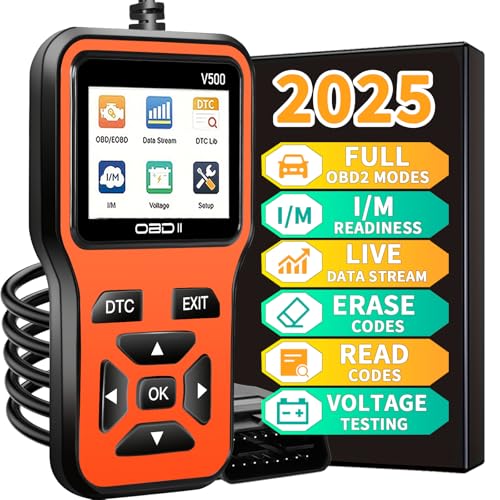
1.【Compatibility with 98% of Vehicle Models】Compatible with over 98% of sedans, trucks, and SUVs produced by American manufacturers since 1996, Japanese manufacturers since 2002, and European manufacturers since 2008. This OBD2 scan tool, also known as an automotive diagnostic tool for 1996+ vehicles and an engine trouble code reader, can quickly identify engine system trouble codes. You can easily troubleshoot the root cause of problems without the need for a professional technician, saving you high diagnostic fees at repair shops.
Potential Warning Signs
- Persistent Airbag Light: The light might remain on after a reset. This indicates a deeper issue, such as a faulty sensor or wiring problem.
- Warning Messages: Your dashboard could display error messages related to the airbag system, suggesting malfunctioning components.
- Inconsistent Airbag Deployment: If the airbags don’t deploy properly during a test (if possible), it points to serious issues needing immediate attention.
- Unusual Noises: Listen for strange sounds when the system activates. Uncommon sounds could signal wiring problems or sensor malfunctions.
Addressing these warning signs promptly can prevent further complications.
When to Seek Professional Help
- Recurrent Issues: If the airbag light turns on again shortly after resetting, consult a professional. They’ll use diagnostic tools to identify persistent problems.
- Multiple Warning Lights: Other warning lights appearing alongside the airbag light could indicate a larger electrical issue.
- Previous Airbag Deployment: If you’ve experienced an airbag deployment due to an accident, have the system examined, even if the light resets.
- Uncertainty in Diagnostics: If you’re unsure about the problem or how to resolve it, a certified technician can provide peace of mind.
Taking these steps ensures that your vehicle’s airbag system remains functional and your safety is prioritized.
Preventive Measures
Taking proactive steps helps maintain your Ford’s airbag system and prevents the airbag light from illuminating. Regular checks and maintenance ensure safety features function correctly and alert you to potential issues before they arise.
Regular Maintenance Tips
- Inspect Wiring: Routinely check the wiring connected to the airbag system. Look for frayed wires or loose connections that can trigger the airbag light.
- Check Sensors: Periodically test the airbag sensors to ensure they’re working correctly. If the light activates, sensor malfunction could be the cause.
- Service Schedule: Follow the manufacturer’s recommended service schedule. Regular servicing catches issues early, ensuring a reliable airbag system.
- Battery Maintenance: Monitor the battery’s health. A weak battery can affect the airbag system’s performance and cause the light to illuminate.
- Professional Evaluation: Have a professional technician conduct system checks during routine maintenance. This ensures all components function properly.
Importance of Diagnostic Checks
You must regularly perform diagnostic checks for accurate assessments of your airbag system. These checks help identify underlying issues, reducing the risk associated with malfunctioning airbags.
- Trouble Codes: Diagnostic tools can read trouble codes that point to specific issues. This process offers insights, enabling targeted repairs.
- Proactive Solutions: Early detection of problems leads to proactive solutions. Addressing issues before they escalate saves time and costs.
- Safety Assurance: Diagnostic checks provide peace of mind. Knowing your airbag system works correctly enhances driver and passenger safety while on the road.
- Professional Diagnostic Tools: Use OBD-II scanners to conduct at-home checks. If problems persist, consult a certified technician for comprehensive diagnostics.
Conclusion
Getting that airbag light off your Ford dashboard can feel like a relief. By following the steps outlined and understanding potential issues you might face you can keep your vehicle’s safety features in check. Remember that regular maintenance and checks are key to ensuring everything’s working smoothly.
If the light keeps coming back or you notice any unusual signs it’s best to reach out to a professional. Your safety and that of your passengers should always come first. Stay proactive and keep your Ford in top shape for the road ahead.
Frequently Asked Questions
What does it mean when the airbag light is on in my Ford?
The airbag light indicates a potential issue with the airbag system. This may stem from faulty sensors, disconnected wires, or battery problems. It’s crucial to address this light as it signals that your vehicle’s safety features may not be functioning properly.
How can I reset the airbag light on my Ford?
You can reset the airbag light using two methods: the Ignition Key Method or an OBD-II Scanner. For the Ignition Key Method, turn on the ignition, observe the airbag light, cycle the key, and start the engine. For the OBD-II Scanner, connect it to the OBD-II port and clear any stored trouble codes.
What are common issues after resetting the airbag light?
After resetting, you may still encounter problems like a persistent airbag light, warning messages, or inconsistent airbag deployment. If these symptoms arise, it’s important to investigate further to avoid safety risks.
When should I seek professional help for my airbag system?
Consult a professional if the airbag light stays on after resetting, multiple warning lights appear, there’s a history of airbag deployment, or if you’re unsure about diagnostics. These situations require expert evaluation to ensure your safety.
How can I maintain my Ford’s airbag system to prevent issues?
To maintain the airbag system, regularly check wiring for damage, test sensors, follow the manufacturer’s service schedule, monitor battery health, and consult professionals during maintenance. Preventive measures help avoid future activation of the airbag light.

Ben Wilkinson is a an experienced mechanic with over 10 years of experience in the automotive repair industry. He is highly skilled in diagnosing and repairing a wide range of car-related issues, from basic maintenance tasks to more complex repairs.