
Key Takeaways
- Understanding Airbag Functionality: Airbags are vital safety features designed to cushion occupants during collisions by deploying quickly upon impact.
- Airbag Types: Various types exist, including frontal, side, curtain, knee, and rear airbags, each serving specific safety needs in different crash scenarios.
- Reasons for Non-Deployment: Airbags may fail to deploy due to sensor malfunctions, insufficient collision severity, or outdated vehicle technology; regular maintenance is essential.
- Increased Injury Risks: If airbags don’t deploy, the risk of severe injuries, including head, chest, and abdominal injuries, is significantly heightened.
- Legal Implications: Non-deployed airbags can complicate legal matters during accidents, impacting insurance claims and potential lawsuits related to negligence.
- Post-Accident Actions: Assess injuries, collect information from involved parties, file a police report, and consult legal advice to effectively navigate the aftermath of an accident.
Have you ever wondered what would happen if your airbags didn’t deploy during an accident? It’s a scary thought, but understanding the implications can help you stay prepared. Many people assume that airbags are a foolproof safety feature, but there are situations where they fail to activate.
Imagine you’re in a minor fender-bender, and your airbags don’t go off. What does that mean for your safety and your vehicle? This article will walk you through the possible reasons for airbag failure and the steps you can take if it happens. Knowing this information could make a difference in how you respond in a critical moment.
Understanding Airbags
Airbags are critical safety features designed to protect you during a collision. They deploy quickly in accidents to cushion and reduce the impact on occupants.
What Are Airbags?
Airbags are inflatable structures that deploy on impact, providing a barrier between you and the vehicle’s interior. These devices can reduce the likelihood of serious injuries by absorbing energy and minimizing direct contact with hard surfaces. Most airbags activate within milliseconds of a collision, making them a key component in modern vehicle safety.
Types of Airbags
Different types of airbags cater to various safety needs. Here are the main categories:
- Frontal Airbags: Located in the steering wheel and dashboard, these airbags protect front-seat occupants during head-on collisions.
- Side Airbags: Found in the side of the seat or door, these airbags help shield occupants from side impacts.
- Curtain Airbags: Positioned above the side windows, curtain airbags deploy to protect the heads of occupants during side collisions or rollovers.
- Knee Airbags: Installed below the steering column or dashboard, knee airbags help prevent lower body injuries in frontal crashes.
- Rear Airbags: A recent development, rear airbags deploy in certain scenarios to protect rear passengers during a collision.
Understanding these types allows you to appreciate how airbags enhance safety in different accident situations.
Reasons Airbags May Not Deploy
Airbags may not deploy during an accident due to several factors. Understanding these reasons can help you stay aware of your vehicle’s safety features.
Recommended Products

[Easy to Use—Work Out of the Box] + [FOXWELL 2026 New Version] FOXWELL NT604 Elite scan tool is the 2026 new version from FOXWELL, designed for car owners who want to figure out the cause of issues before fixing car problems by scanning common systems like ABS, SRS, engine, and transmission. The NT604 Elite obd2 scanner diagnostic tool comes with the latest software—no need to waste time downloading software first. Plug the scanner into the OBDII port with OBDII cable to start the diagnosis.

【Reset ABS/SRS/Transmission/Engine Lights】 More than an check engine code reader, OBDMATE OM901 obd2 scanner performs comprehensive diagnostics for the 4 most-used systems (ABS/SRS/Engine/Transmission). It quickly clears fault codes, turns off warning lights, read data stream and auto VIN.
Sensor Malfunctions
Sensors play a critical role in detecting collisions. If a sensor malfunctions, it might fail to send the necessary signal to deploy the airbags. Common issues include wiring problems, corrosion, or software errors. Regular diagnostics can help identify potential sensor issues before they contribute to airbag failure.
Collision Severity
Not all collisions trigger airbag deployment. Airbags are designed to deploy in moderate to severe impacts. In low-speed collisions, the vehicle might not reach the threshold required for airbag activation. The crash test standards determine these thresholds, ensuring that airbags deploy only when they provide necessary protection.
Vehicle Age and Maintenance
Older vehicles may have outdated airbag systems prone to failure. Components can degrade over time, leading to decreased reliability. Regular maintenance checks allow you to assess airbag readiness. Consider replacing airbags in older models to ensure optimal performance during an accident.
Consequences of Non-Deployment
If your airbags don’t deploy in an accident, several serious consequences can arise. Understanding these risks helps you grasp the importance of vehicle safety features.
Recommended Products

【Complete Diagnostic Tool Set】This value-packed kit includes 10 universal SRS airbag simulator resistors, providing a comprehensive solution for automotive repair technicians and DIY enthusiasts. All essential components are ready for immediate use in various diagnostic scenarios.

Rapid Diagnostics: Vehicle airbag light is always on, not necessarily mean that airbag itself is faulty, may be seat disassembly, wiring maintenance false alarms, airbag bypass resistor can accurately simulate the resistance value of airbag module, rapid diagnosis the problems, reset faulty light

【Great Ideal For Every Car Owner】Prefect choice for your father, husband, brother or boyfriend. EVERY CAR OWNER WILL NEED IT! Also, the lifetime update is provided for more vehicle coverage, bug fixes. SAVE AT LEAST $1000+ PER YEAR!Get LAUNCH CRP123 V2.0 car diagnostic scanner and give your lover a surprise!*R each us to Get the Extra Gifts :Protective Case Storage Bag.
Increased Risk of Injury
Non-deployed airbags significantly raise the likelihood of injury during a collision. When airbags fail, you face direct impacts from the steering wheel, dashboard, and seatbelt. This can result in:
- Head injuries like concussions and skull fractures
- Chest injuries due to harsh impacts
- Abdominal injuries from seatbelt pressure
In severe accidents, these injuries can lead to long-term medical issues or even fatalities. For instance, studies show that vehicles equipped with deploying airbags reduce the risk of severe injury by approximately 30% in frontal crashes.
Legal Implications
Not having airbags deploy can result in complicated legal situations. If you’re involved in an accident and your airbags fail to activate, determining liability becomes crucial. Potential legal implications include:
- Insurance claims: Insurers may question the cause of airbag failure, affecting coverage.
- Lawsuits: If negligence caused the airbag malfunction, you may pursue legal action against parties responsible for vehicle safety.
- Evidence: The vehicle’s defect might need to be investigated, potentially involving expert testimony.
Being aware of these legal elements can guide your actions post-accident, ensuring proper channels are followed for claims or legal recourse.
What To Do After an Accident
After an accident, taking prompt action is crucial for your safety and well-being.
Recommended Products

You Will Receive:One piece Accident Report Envelope (9.45" x 6"); One piece Driver's Report At Accident Scene Form(3.9" x 2.76"); 4 Witness Cards(4.5" x 5.3");One piece Accident Notification Card(5.78" x 2"); 2 Exoneration Cards(11" x 8.5"); and a Accident detection card:Double-sided printing, folded in half.It Provides Details of the Accident.

All-in-One Vehicle Accident Report Kit for Drivers – This complete car accident kit includes everything a driver needs to effectively document and report a vehicle accident: 1 x Accident Report Pouch (9.25" x 6.89"), 1 x Driver's Accident Scene Report Form (3.9" x 2.76"), 4 x Witness Information Cards (4.5" x 5.3"), 1 x Accident Notification Card (5.78" x 2"), 2 x Exoneration Cards (8.5" x 11"), 1 x Accident Detection Card (folded, double-sided), and 2 x A5 Writing Boards. Perfect for both personal and fleet use.
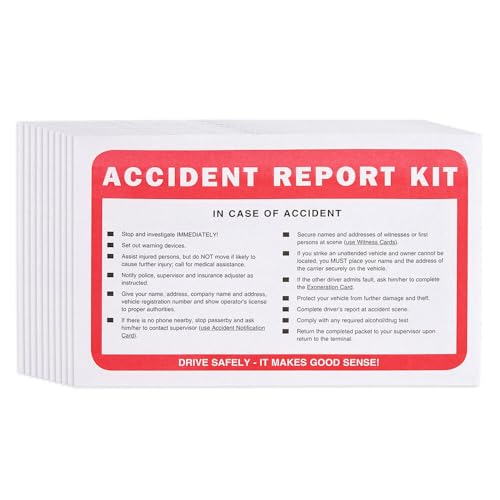
Accident kit help drivers quickly collect and report accident information.
Assessing Your Injuries
Check yourself and passengers for any injuries. Focus on:
- Move cautiously: If you’re able, exit the vehicle slowly. Avoid sudden movements that could worsen any injuries.
- Contact assistance: Call 911 for help if anyone’s injured. Emergency responders can provide medical attention and assess the situation.
- Document injuries: Take photos of visible injuries and note any pain or discomfort. This information can be vital for medical and legal reasons later.
Legal Steps to Take
Navigating the legal aspects following an accident can be overwhelming. Follow these steps:
- Exchange information: Collect names, contact details, and insurance information from all parties involved.
- File a police report: If possible, report the accident to law enforcement. A police report can provide an official record of the incident.
- Consult legal advice: Consider hiring a lawyer, especially if injuries occurred or complex insurance claims arise. They can guide you through the process.
- Notify your insurance: Contact your insurer promptly to report the accident and provide them with necessary documentation.
Being proactive in these matters makes managing the aftermath of an accident easier and helps protect your rights.
Conclusion
Understanding what happens if your airbags don’t deploy can be crucial for your safety on the road. It’s important to recognize the potential risks and take proactive steps to ensure your vehicle is in top shape. Regular maintenance checks can help identify any issues with your airbag system before they become a problem.
If you ever find yourself in an accident where the airbags fail to deploy, knowing how to respond can make a difference. Remember to assess your injuries and seek help right away. Being informed and prepared can empower you to navigate the aftermath of an accident more effectively. Stay safe out there and prioritize your vehicle’s safety features.
Frequently Asked Questions
What causes airbags to not deploy during an accident?
Airbags may not deploy due to sensor malfunctions, the severity of the collision, or the age and maintenance status of the vehicle. Sensors detect impacts and can fail or may not register minor collisions, preventing airbag activation. Regular maintenance checks are vital to ensure airbag systems are functioning properly.
Are airbags crucial for vehicle safety?
Yes, airbags play a critical role in vehicle safety. They inflate quickly during a collision to cushion occupants, minimizing the risk of serious injuries. Airbags significantly reduce injury risk, particularly in frontal crashes, making them essential safety features in modern cars.
What are the types of airbags in vehicles?
There are multiple types of airbags designed for various safety needs: frontal airbags protect occupants during head-on collisions, side airbags shield from lateral impacts, curtain airbags cover windows during a rollover, knee airbags protect the lower body, and rear airbags provide additional protection in rear-end accidents.
What are the consequences of airbags not deploying?
When airbags do not deploy, the risk of serious injury increases substantially. Occupants may sustain direct impacts from the steering wheel, dashboard, or seatbelt, potentially leading to severe head, chest, and abdominal injuries. In severe accidents, these injuries can result in long-term health issues or fatalities.
How does non-deployment impact insurance claims?
Non-deployment of airbags can complicate insurance claims and liability issues. Insurance providers may investigate the reasons for non-deployment and assess how it affects the accident’s outcome. Understanding these legal complexities is important for effectively navigating post-accident procedures and protecting rights.
What steps should I take immediately after an accident?
After an accident, assess injuries, contact emergency services, and document any visible injuries. It’s crucial to exchange information with others involved, file a police report, and notify your insurance company. Staying organized helps in managing legal responsibilities and simplifies the aftermath of the accident.

Ben Wilkinson is a an experienced mechanic with over 10 years of experience in the automotive repair industry. He is highly skilled in diagnosing and repairing a wide range of car-related issues, from basic maintenance tasks to more complex repairs.