
Key Takeaways
- Understanding when and why to disable an airbag is crucial for safety, particularly when installing child seats or performing vehicle maintenance.
- Disabling an airbag can significantly increase injury risks during accidents, so assess the necessity of this action carefully.
- Always refer to your vehicle’s owner manual and consult a professional if unsure about disabling an airbag to ensure safe practices are followed.
- Use the right tools and follow a step-by-step guide to disable the airbag safely, including disconnecting the battery and securing the airbag module.
- Be aware of legal regulations regarding airbag deactivation in your state, as well as potential impacts on your insurance coverage.
- Keeping thorough documentation of any modifications related to airbag status can help ensure compliance with safety regulations.
Have you ever wondered why you might need to disable your car’s airbag? Whether you’re installing a child seat or working on some maintenance, there are times when turning off the airbag is necessary for safety.
In this article, you’ll find straightforward steps to help you safely disable your airbag. Knowing how to do this can give you peace of mind and ensure that you’re taking the right precautions. Let’s get started and empower you with the knowledge you need to handle this task easily.
Understanding Airbags
Airbags are critical safety features in modern vehicles. They deploy during a collision, providing a cushion that reduces injury risk. Understanding how they work and when to disable them is essential for safety.
How Airbags Work
Airbags use sensors to detect a collision’s severity. Once triggered, they inflate in milliseconds. The airbag creates a barrier between you and the steering wheel or dashboard. This rapid inflation helps prevent impact-related injuries.
When to Disable Airbags
You might need to disable an airbag in specific situations:
- Child Seats: Installing a rear-facing child seat in the front passenger seat can pose risks if the airbag deploys. Disabling the airbag in this case helps protect the child.
- Maintenance: During certain repairs, disconnecting the airbag improves safety for both you and the service personnel. Always consult your vehicle’s manual for guidance on when to disable.
Possible Risks of Disabling Airbags
Disabling an airbag leads to increased injury risk during an accident. Without airbags, your vehicle’s design might not protect you effectively. Always evaluate the necessity versus the risks involved.
Precautions
When you decide to disable an airbag, take specific precautions:
- Refer to the Manual: Each vehicle has its own instructions. Follow them for proper procedures.
- Consult a Professional: If unsure, contact a certified technician for assistance. They ensure safety measures are observed.
Understanding how airbags function and the context for disabling them enhances your vehicle safety. Make informed decisions to protect yourself and others in your car.
Reasons to Disable an Airbag
Disabling an airbag can sometimes be necessary. Several situations warrant careful consideration.
Safety Concerns
Safety ranks high when thinking about disabling an airbag. Airbags protect you during collisions, reducing the risk of injuries. They deploy in milliseconds after a crash. If you install a rear-facing child seat in the front passenger seat, the airbag poses a danger. Disabling it prevents potential harm to the child. Always assess the need carefully, as deactivating an airbag might increase injury risk in other situations, especially for adults.
Vehicle Modifications
Vehicle modifications frequently require airbag deactivation. For instance, when upgrading the seat or installing new equipment that interferes with airbag sensors, turning off the airbag might be wise. Retrofitting classic cars with modern safety features may also necessitate temporarily disabling the airbag. Always consult the owner’s manual and a professional to ensure that modifications do not compromise safety.
How to Disable an Airbag
Disabling an airbag requires careful steps. It’s crucial to proceed with caution to ensure safety during the process.
Recommended Products

AIR LINE TOOLS: This 2pcs pneumatic fitting disconnect tool set is the specialized tool for quick disconnect push to connect air fittings 1/4”, 5/16”, 3/8”, 1/2” (6mm, 8mm,10mm,12mm). With straight unions×4, Y splitters×4, elbows×4, straight reducer unions×3 in total 15 pcs pneumatic fittings.

VERSATILE FIT DESIGN: This quick‑release plier is engineered to detach 1/4 inch and 5/16 inch push‑to‑connect fittings compatible with 6‑8mm pneumatic tubing; it supports single‑hand operation to pull out hoses without scratching or deforming tubes, serving as a must‑have hand tool for pneumatic systems, automotive servicing and industrial‑level maintenance jobs

Disconnects Air Conditioning and Quick Connect Fuel Lines.
Tools Required
- Wrench Set: A basic set of wrenches, including a socket wrench, to remove necessary components.
- Screwdrivers: Both Phillips and flathead screwdrivers for accessing panels and securing connections.
- Torx Bit Set: Some vehicles use Torx screws, so having a compatible bit is essential.
- Safety Glasses: Protect your eyes from debris and dust.
- Vehicle Owner’s Manual: This provides specific instructions for your car model.
Step-by-Step Guide
- Disconnect the Battery: Remove the negative terminal of the battery. This prevents accidental airbag deployment while working.
- Locate the Airbag Module: Refer to the owner’s manual to find the airbag module’s exact location. Common places include under the steering wheel or in the dashboard.
- Remove Necessary Panels: Use screwdrivers to carefully take off panels covering the airbag module. Be gentle to avoid breaking any clips.
- Unplug the Airbag Connector: Locate and disconnect the plug from the airbag module. This may involve pressing a release tab to ensure safe removal.
- Secure the Airbag: If necessary, wrap the airbag in protective material and store it safely to prevent accidental deployment.
- Check Indicators: After disabling, turn the ignition on to check dashboard warning lights. A lit airbag warning light indicates a successful deactivation.
- Reassemble the Vehicle: Carefully replace panels and reconnect the battery. Ensure everything is secure before taking the vehicle back on the road.
Always refer to the vehicle manufacturer’s guidelines for specific instructions, as processes can vary significantly between models. If uncertain, consult a professional for assistance.
Legal Considerations
Understanding legal implications is essential when disabling an airbag. Vehicles are equipped with airbags for safety. Disabling these can lead to legal issues or safety risks.
Recommended Products

Troubleshoot Malfunctions: This SRS airbag reset tool simulates airbag load to quickly turn off the SRS warning light on the dashboard. It effectively fixes errors caused by airbag removal, replacement and modification, and restores the normal operation of the vehicle's electronic control system

2.2 ohm resistor. 1/4 Watt, 250V max
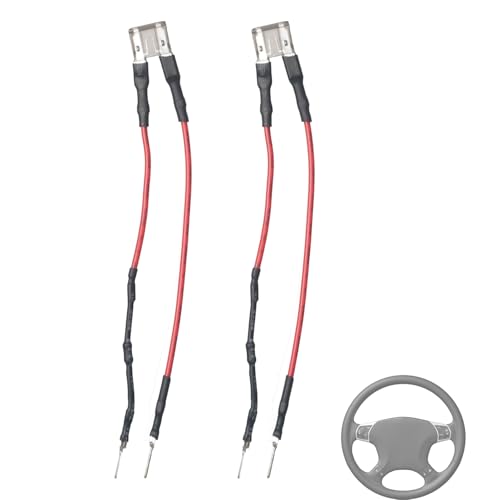
Compatible with NRG-SRK-RES: This Warning Light Bypass Resistor Kit includes two SRS warning light bypass resistors for the NRG-SRK-RES model. It's also compatible with the factory SRS system interface in most steering wheel modification scenarios. It can directly replace the original vehicle airbag assembly, resolving the issue of the SRS warning light remaining on after a steering wheel replacement
State Regulations
Check local laws regarding airbag deactivation. Some states may require airbags to remain functional, especially for vehicles actively on the road. Research the regulations in your state for compliance.
Insurance Implications
Insurance companies may view a disabled airbag as a higher risk. Inform your provider about any modifications, including airbag deactivation. Confirm how this affects your policy and coverage.
Manufacturer Guidelines
Follow the manufacturer’s recommendations. Disabling an airbag contrary to their guidelines could void warranties. Always consult your vehicle’s manual for specific instructions and warnings.
Safety Reporting
If disabling an airbag is necessary, report it to the appropriate authorities. Some states require documentation of modifications for safety compliance. Keeping records helps ensure transparency and safety.
Professional Assistance
Consider seeking professional help for airbag deactivation. Mechanics trained in vehicle safety systems can offer guidance. Their expertise can ensure compliance with legal requirements while ensuring safety.
Conclusion
Disabling an airbag can be necessary in certain situations but always comes with risks. It’s crucial to weigh those risks against the reasons for deactivation. Remember to follow the manufacturer’s guidelines and local laws to stay compliant and safe.
If you’re ever unsure about the process or the implications, don’t hesitate to reach out to a professional. They can help ensure everything’s done correctly and safely. By taking these precautions, you can make informed decisions that prioritize both safety and functionality in your vehicle.
Frequently Asked Questions
Why would I need to disable my car’s airbag?
Disabling a car’s airbag may be necessary when installing a rear-facing child seat in the front passenger seat or during certain maintenance tasks. It may also be needed for vehicle modifications like upgrading seats. Always ensure safety and consult your vehicle’s manual.
How do airbags work in a vehicle?
Airbags use sensors to detect the severity of a collision. Upon impact, they inflate rapidly to create a protective barrier between occupants and hard surfaces, helping to reduce the risk of injury. Their effectiveness relies on proper functioning and timely deployment.
What are the risks of disabling my airbag?
Disabling the airbag may increase the risk of injury during an accident, especially for adults. It’s crucial to weigh the potential risks against the necessity of deactivation and ensure safety measures are in place when making such a decision.
How can I safely disable my airbag?
To safely disable an airbag, start by disconnecting the vehicle battery. Locate the airbag module and follow the manufacturer’s guidelines for your specific vehicle. If uncertain, consult a professional to ensure the process is executed correctly and safely.
Are there legal considerations for disabling airbags?
Yes, it’s essential to check local laws and state regulations, as some places require functional airbags. Disabling an airbag can have legal implications, so it’s advisable to stay informed to remain compliant with safety laws.
How does airbag deactivation affect insurance?
Disabling an airbag may classify your vehicle as a higher risk by insurance providers. It’s crucial to inform your insurer about any modifications made to avoid potential issues with coverage or claims.
Should I report airbag deactivation to authorities?
Yes, reporting airbag deactivation to relevant authorities is recommended. This helps ensure compliance with safety regulations and keeps necessary records concerning potential safety risks associated with the vehicle.
Can I seek professional help for airbag deactivation?
Absolutely! Consulting a professional is highly advised, especially if you’re unsure about the airbag deactivation process. A trained expert can ensure safety, legality, and adherence to manufacturer guidelines throughout the procedure.

Ben Wilkinson is a an experienced mechanic with over 10 years of experience in the automotive repair industry. He is highly skilled in diagnosing and repairing a wide range of car-related issues, from basic maintenance tasks to more complex repairs.