
Key Takeaways
- Recent Airbag Recalls: Various car models have been recalled due to airbag malfunctions, including notable brands like Honda, Toyota, Hyundai, and Ford.
- Common Issues: Key problems leading to recalls include faulty sensors, defective inflators, software glitches, and manufacturing defects that can compromise airbag performance.
- Impact on Safety: Airbag recalls can significantly increase the risk of injury in accidents, making timely action essential for driver and passenger safety.
- Steps to Take: Vehicle owners should check their recall status via the NHTSA website, contact manufacturers for details, and schedule necessary repairs promptly.
- Stay Informed: Regularly checking for updates and signing up for alerts can help ensure ongoing vehicle safety and peace of mind.
Have you ever wondered if your car’s safety features are working as they should? Airbags are designed to protect you in an accident, but what happens when they’re the reason for a recall? With recent reports highlighting various models facing such issues, it’s essential to stay informed.
In this article, you’ll find a comprehensive list of cars currently recalled due to airbag malfunctions. Knowing which vehicles are affected can help you take the necessary steps to ensure your safety on the road. Whether you’re a car owner or looking to buy, understanding these recalls can make a big difference in your peace of mind.
Overview Of Airbag Recalls
Airbags play a crucial role in vehicle safety. When they malfunction, they pose serious risks. Understanding recent airbag recalls helps you stay safe and informed.
Common Causes of Airbag Recalls
- Faulty Sensors: Malfunctioning sensors may fail to deploy airbags during accidents. This can increase the risk of injury.
- Inflator Issues: Airbag inflators can sometimes explode or deploy incorrectly. This results in shrapnel, leading to injuries.
- Software Problems: Software glitches can trigger airbags without a collision or prevent deployment when needed.
- Manufacturing Defects: Errors during the manufacturing process can affect airbag effectiveness.
Recent Notable Recalls
| Manufacturer | Model | Year(s) | Issue |
|---|---|---|---|
| Honda | Accord | 2015-2020 | Faulty inflator |
| Toyota | Camry | 2018-2019 | Sensor malfunction |
| Hyundai | Elantra | 2016-2020 | Software problem |
| Ford | Explorer | 2011-2017 | Manufacturing defect |
What to Do if Your Car is Affected
- Check Recall Status: Visit the National Highway Traffic Safety Administration (NHTSA) website. Enter your Vehicle Identification Number (VIN) for detailed information.
- Contact the Manufacturer: Reach out directly to the manufacturer. They provide specific instructions for recalls.
- Schedule a Repair: If your vehicle is affected, schedule a service appointment as soon as possible. Repairs are usually free.
- Stay Informed: Regularly check recall databases and subscribe to alerts. Staying updated helps ensure your vehicle remains safe.
The Importance of Timely Action
Addressing airbag recalls promptly is critical. Delaying action increases safety risks for you and your passengers. Keeping up with recalls protects everyone on the road.
Common Airbag Issues
Airbags are crucial for safety, but several issues can compromise their effectiveness. Understanding these common problems can help you stay informed about recalls.
Recommended Products
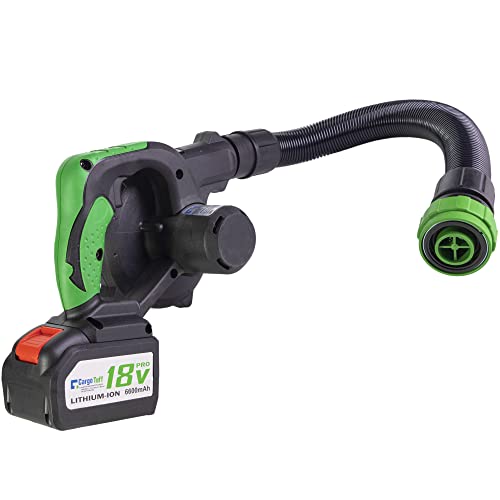
PATENTED PORTABLE DUNNAGE BAG INFLATOR: The G-PAM2 Portable Battery Powered ultimate tool. Equipped with a powerful motor, shoulder strap, 18 inches flex hose, charger, 2 rechargeable 6600 mAh batteries (25 min charging time, 4 hours battery longevity)

Compatible with Multiple Models: Perfectly suitable for a wide range of vehicles including E36 and E46 series, such as Saloon, Coupe, Compact, Convertible, and Touring models. Please check the detailed application model before purchasing.

New Dual Aaa Battery Powered Design - 4X The Battery Life And Simplified Battery Installation
Defective Inflators
Defective inflators can cause airbags to deploy improperly. Some inflators may rupture, leading to metal fragments being ejected into the vehicle during a crash. Recent recalls involve manufacturers like Honda and Ford, affecting models such as the Honda Accord (2010-2012) and the Ford Ranger (2004-2011). Regularly check for recalls and ensure your vehicle’s inflators are safe.
Software Problems
Software problems can prevent airbags from deploying when needed. Faulty software may misread crash data, leading to incorrect responses during an accident. Notable instances include the Toyota Camry (2018-2019), which experienced delays in deployment due to software glitches. Stay proactive by keeping your vehicle’s software updated and checking for recall notices.
List Of Cars Under Recall
Staying informed about airbag recalls can greatly enhance your safety on the road. Below are key details on the major manufacturers affected and the specific models involved.
Major Manufacturers Affected
- Honda: Known for the widespread Takata airbag issues, several models have been recalled.
- Toyota: Frequently recalls vehicles for faulty airbag systems across various models.
- Hyundai: Has faced recalls due to airbag deployment problems that affect several models.
- Ford: Some models experience airbag malfunctions requiring recalls to ensure passenger safety.
Models With Notable Airbag Recalls
| Manufacturer | Model | Years | Issue Description |
|---|---|---|---|
| Honda | Accord | 2010-2012 | Defective inflators can cause improper deployment. |
| Toyota | Camry | 2018-2019 | Software glitches may delay airbag deployment. |
| Hyundai | Sonata | 2019 | Faulty sensors may prevent airbag activation. |
| Ford | Ranger | 2004-2011 | Inflator defects could eject metal fragments. |
Check the list regularly as updates may occur. Taking action now can protect you and your passengers.
Impact On Consumers
Understanding the impact of airbag recalls on consumers shapes how you prioritize vehicle safety. When a recall occurs, it can affect your peace of mind while driving, as well as your financial investment in the vehicle.
Safety Concerns
Airbag recalls raise significant safety concerns. Defective inflators may lead to airbags deploying improperly, or not deploying at all during an accident. For example, the recalled Honda Accord (2010-2012) faces risks due to faulty inflators, while the Toyota Camry (2018-2019) has experienced delays in airbag deployment due to software issues. These risks can increase the likelihood of injury in a crash, making immediate action essential for your safety. Staying informed about recalls helps you understand the risks associated with your vehicle.
Steps To Take If Your Car Is Recalled
If your car is recalled due to airbag issues, following these steps can enhance your safety:
- Check Recall Status: Visit the National Highway Traffic Safety Administration (NHTSA) website or your manufacturer’s website. Enter your Vehicle Identification Number (VIN) to find specific recall information.
- Contact the Manufacturer: Reach out to your car manufacturer’s customer service if you discover a recall. They can provide detailed information about the issue and the steps for remediation.
- Schedule Repairs: Set up an appointment with your dealership or authorized service center. Manufacturers typically cover the cost of repairs if your vehicle is recalled.
- Stay Informed: Regularly check for updates on recalls and safety notices. Sign up for alerts from NHTSA to stay current on any new information that may affect your vehicle.
Taking proactive steps ensures not only your safety but also enhances the safety of passengers. Staying informed and acting quickly transforms the potential risks associated with recalls into manageable tasks.
Conclusion
Staying informed about airbag recalls is crucial for your safety and peace of mind. By knowing which models are affected and understanding the common issues, you can take proactive steps to protect yourself and your passengers.
Make it a habit to check for recalls regularly and don’t hesitate to reach out to your manufacturer if you have concerns. Taking action now can make all the difference in ensuring your vehicle is safe and reliable. Remember that your safety is worth the effort, so keep those airbags in check!
Frequently Asked Questions
What are airbag recalls and why are they important?
Airbag recalls are notifications issued by manufacturers when safety issues, such as faulty sensors or inflator defects, are found in specific vehicle models. They are important because they can significantly impact driver and passenger safety in the event of a crash.
How can I check if my car has a recall?
You can check your car’s recall status by visiting the National Highway Traffic Safety Administration (NHTSA) website and entering your Vehicle Identification Number (VIN). This will provide you with up-to-date information regarding any active recalls.
What should I do if my vehicle is recalled?
If your vehicle is recalled, promptly check the recall details and contact the manufacturer for more information. Schedule any necessary repairs as soon as possible to ensure your safety on the road.
Which manufacturers have had recent airbag recalls?
Recent airbag recalls have affected major manufacturers like Honda, Toyota, Hyundai, and Ford. Notable models include the Honda Accord (2010-2012), Toyota Camry (2018-2019), Hyundai Sonata (2019), and Ford Ranger (2004-2011).
What are some common issues with airbags that lead to recalls?
Common airbag issues leading to recalls include defective inflators that may not deploy correctly, faulty sensors, software glitches that prevent deployment, and manufacturing defects. These problems can compromise passenger safety during accidents.
How can defective airbags affect safety during a crash?
Defective airbags can result in improper deployment or non-deployment, significantly increasing the risk of injury during a crash. Ensuring that your airbag system is functioning correctly is crucial for the safety of everyone in the vehicle.
How do I stay informed about future recalls?
To stay informed about future recalls, regularly check the NHTSA website, sign up for manufacturer notifications, and follow automotive news sources. Staying proactive will help keep you and your passengers safe.

Christopher Harvey is a an experienced automotive writer with over 10 years of experience covering car-related issues. He is passionate about translating complex technical information into easy-to-understand language and providing expert advice on everything related to car troubleshooting and repairs.