
Have you ever wondered why a beloved brand like Chevrolet pulled out of the Indian market? It’s a question many car enthusiasts and loyal customers have been asking. With a rich history and a range of popular models, Chevrolet seemed poised for success. So what went wrong?
Imagine being a fan of a car brand only to find out it’s no longer available in your country. This article explores the key reasons behind Chevrolet’s exit from India, shedding light on market challenges, competition, and strategic decisions. By the end, you’ll have a clearer understanding of this significant shift in the automotive landscape.
Key Takeaways
- Market Competition: Chevrolet struggled to compete against established brands like Maruti Suzuki and Hyundai, which offered models aligned with consumer preferences for compact SUVs and fuel efficiency.
- Declining Sales Performance: Sales plummeted from peak numbers in 2011 due to an outdated product lineup and lack of new models, leading to diminished customer interest.
- Economic Challenges: Rising production costs, import taxes, and currency fluctuations negatively impacted Chevrolet’s profitability, prompting the need for strategic redesign.
- Impact on Consumers: The discontinuation left loyal Chevrolet fans feeling abandoned, raising concerns about service availability and the future of their vehicles.
- Emerging Alternatives: Consumers shifted towards competing brands offering popular models that met modern demands for comfort, reliability, and fuel efficiency.
- Future Trends in the Industry: The Indian automobile sector is evolving, with increasing focus on electric vehicles, compact SUVs, and digital sales platforms to attract a growing middle-class demographic.
Overview of Chevrolet in India
Chevrolet entered the Indian market in 1928 and offered a range of vehicles that appealed to various customer segments. The brand gained popularity with models like the Chevrolet Spark, Beat, and the Tavera, which enjoyed considerable sales in the early 2000s. Despite its strong reputation and quality vehicles, Chevrolet struggled to compete against other established brands.
Chevrolet faced significant challenges in the competitive Indian automotive market. Market dynamics shifted rapidly, leading to the rise of domestic players and popular foreign brands. With increasing consumer preferences for compact SUVs and fuel-efficient vehicles, Chevrolet’s product lineup fell short of market expectations. The lack of new model introductions for several years contributed to a declining customer base.
In addition to stiff competition, Chevrolet dealt with financial losses. Sales dropped significantly, and the brand’s manufacturing operations in India became economically unviable. In 2017, General Motors announced the discontinuation of Chevrolet in India. The company’s decision stemmed from the need to streamline operations and focus on more profitable markets.
Despite the discontinuation, Chevrolet’s legacy remains influential in the Indian automotive landscape. Fans reminisce about the brand’s contributions, especially during its peak years. The brand’s former customers now look to alternatives, seeking similar quality and reliability in other offerings available in the market.
Factors Leading to Discontinuation
Chevrolet’s discontinuation in India stems from several interconnected factors. Market dynamics, sales figures, and economic conditions all played significant roles.
Recommended Products

【Perfect size】8.5 inch x3.5 inch x3.4 inch.1:24 Scale Diecast Model Car with exquisite color translucent packaging box.
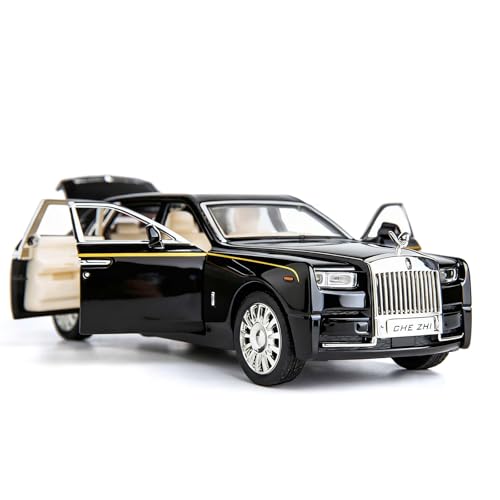
Product size: 6.69*2.36*1.97 inches Weight: 0.7 pounds Outer packaging: exquisite color translucent packaging box

Covers Corners with ease: Our Proprietary windshield sun shades comprise a support structure that provides coverage in all four corners with ease.
Market Competition
Intense competition marked the Indian automotive landscape. Major players like Maruti Suzuki, Hyundai, and Tata Motors dominate with a wide range of products. These brands introduced models that catered to changing consumer preferences for compact SUVs and efficient vehicles. Chevrolet’s inability to keep pace with these evolving trends kept it from capturing market share.
Sales Performance
Sales performance declined steadily over the years. For instance, Chevrolet’s peak sales in 2011 saw around 1.4 lakh units sold, but this figure dropped significantly by 2017. The lack of new models and outdated designs contributed to waning consumer interest. As competitors launched exciting vehicles, many customers turned to options from rival brands that offered better features and value.
Economic Challenges
Economic challenges compounded issues for Chevrolet. Rising import taxes, fluctuating currency rates, and increased production costs strained profitability. Financial sustainability became difficult when the market climate shifted, leading General Motors to prioritize more profitable regions. By focusing on more viable markets, Chevrolet sought to ensure its long-term viability, resulting in a strategic exit from India.
Impact on Consumers
Chevrolet’s exit from India significantly affected consumers, especially loyal fans of the brand. Many customers felt a sense of loss as they bid farewell to a brand that had been a part of their lives for years.
Customer Reactions
Customers expressed disappointment and frustration over the discontinuation. Many loyal Chevrolet owners found themselves concerned about service availability, parts, and resale values. Social media became a platform for sharing sentiments about cherished models like the Beat and Tavera. Enthusiasts noted a nostalgic connection, recalling positive experiences with Chevrolet cars that shaped their driving history. The abrupt nature of the withdrawal left some feeling abandoned by a once-prominent player in the Indian automotive market.
Alternatives Available
With Chevrolet’s departure, consumers sought alternatives among other brands. Options like Maruti Suzuki, Hyundai, and Tata Motors emerged as attractive substitutes. These brands offered diverse lineups of compact SUVs and fuel-efficient vehicles, aligning with modern consumer preferences. Models such as the Maruti Vitara Brezza and Hyundai Creta gained popularity, providing customers with reliable features and stylish designs. Additionally, many Chevrolet owners turned to second-hand markets to find similar vehicles from competing manufacturers, ensuring they continued to meet their driving needs without compromising on quality.
Future of Automobile Industry in India
The automobile industry in India is poised for transformation, driven by new trends and opportunities. As market dynamics evolve, you can expect exciting developments that cater to changing consumer preferences.
Recommended Products

Compatibility: Fully compatible with the Wallbox Pulsar family, making it a versatile solution for both high-demand residential properties and commercial charging hubs. The device is easily put into operation using the Wallbox App to ensure maximum efficiency.

FAST LEVEL 2 CHARGING UP TO 46 MILES PER HOUR – Delivers up to 48 amps at 240V (11.5 kW) for up to 46 miles of range per hour. Charge overnight and wake up to a full battery in your Tesla or NACS EV

FAST CHARGING: Pulsar Plus level 2 EV Charger 40 Amp is 8x faster than portable basic chargers, providing up to 25-35 miles of range per hour, depending on the electric vehicle. Check our 48Amp model for additional charging speed
Emerging Trends
- Electric Vehicles (EVs)
- EV adoption is on the rise, with manufacturers like Tata Motors and Mahindra leading the charge. By 2030, EVs are projected to account for at least 30% of total vehicle sales in India.
- Connected Cars
- Increasingly, vehicles will feature connectivity options, enhancing safety and convenience. Features like real-time traffic updates and remote diagnostics will become standard.
- Autonomous Technology
- Autonomous vehicle technology is gaining attention. Companies are testing self-driving cars, envisioning a future of reduced traffic and increased safety.
- Compact SUVs
- Consumer interest in compact SUVs continues to grow. Models like the Maruti Suzuki Vitara Brezza and Hyundai Creta showcase this trend with their versatility and appeal.
- Sustainable Practices
- The focus on sustainability affects manufacturing processes. Eco-friendly materials and practices are becoming more prevalent, with more automakers aiming for carbon neutrality by 2040.
- Government Initiatives
- The Indian government promotes electric mobility through schemes like FAME II. These initiatives encourage manufacturers to invest in EV technology and infrastructure.
- Rising Middle Class
- A growing middle-class population creates demand for affordable yet feature-rich vehicles. Manufacturers can tap into this market segment by offering models that meet budget constraints while providing desirable features.
- Aftermarket Services
- Innovation in aftermarket services presents new business avenues. Offering affordable maintenance, genuine parts, and quick service can attract former Chevrolet owners and others seeking reliable options.
- Hybrid Vehicles
- Given fuel prices, hybrid vehicles hold promise. These cars blend the best of both worlds, offering fuel efficiency combined with performance, appealing to cost-conscious consumers.
- Digital Sales Platforms
- The rise of online vehicle sales can simplify transactions. Automakers can thrive by enhancing their online presence and streamlining the purchasing process for customers.
By keeping an eye on these trends and opportunities, you can stay informed about the direction the automobile industry in India is heading.
Conclusion
Chevrolet’s exit from the Indian market marks the end of an era for many fans and loyal customers. While the brand had a rich history and offered some beloved models, it simply couldn’t keep up with the changing preferences and fierce competition.
As you explore your options in the evolving automotive landscape, you’ll find plenty of alternatives that cater to your needs. The rise of compact SUVs and electric vehicles promises exciting choices for the future. Though Chevrolet may no longer be in the picture, the legacy it leaves behind continues to shape the market.
Frequently Asked Questions
Why did Chevrolet exit the Indian market?
Chevrolet left the Indian market in 2017 due to intense competition from brands like Maruti Suzuki and Hyundai, shifting consumer preferences towards compact SUVs, and financial losses. General Motors aimed to focus on more profitable markets while struggling with declining sales and outdated models.
When did Chevrolet start operations in India?
Chevrolet made its debut in India in 1928, establishing a long history with popular models such as the Spark, Beat, and Tavera that gained traction in the early 2000s.
What were some reasons for Chevrolet’s declining sales?
Declining sales were mainly due to a lack of new models, outdated designs, and the increasing demand for fuel-efficient and compact SUVs, which Chevrolet’s lineup could not fulfill.
How did consumers react to Chevrolet’s withdrawal?
Many loyal Chevrolet fans felt disappointed and abandoned by the brand’s exit. Concerns arose regarding service availability, parts supply, and resale values of their vehicles.
What brands replaced Chevrolet for Indian consumers?
Following Chevrolet’s exit, consumers turned to brands like Maruti Suzuki, Hyundai, and Tata Motors, with models like the Maruti Vitara Brezza and Hyundai Creta gaining popularity for their reliability and modern features.
What trends are shaping the future of the Indian auto industry?
The future of the Indian automotive industry is influenced by the rise of electric vehicles (EVs), increasing demand for connected cars, and a growing preference for compact SUVs. Government initiatives are also promoting electric mobility.
What percentage of vehicle sales are projected to be EVs by 2030?
It is projected that electric vehicles will account for at least 30% of total vehicle sales in India by 2030, driven by advancements in technology and changing consumer preferences.
How did economic challenges impact Chevrolet’s operations?
Economic challenges, including rising import taxes and fluctuating currency rates, strained Chevrolet’s profitability in India and contributed to General Motors’ decision to withdraw from the market.

Ben Wilkinson is a an experienced mechanic with over 10 years of experience in the automotive repair industry. He is highly skilled in diagnosing and repairing a wide range of car-related issues, from basic maintenance tasks to more complex repairs.